Last updated November 17, 2026



Free written scope consultation - allowances, timeline, and change-order rules on paper before a single trade is scheduled
Seasonal Construction Care for Kendale Lakes: Year-Round Homeowner’s Guide
Most homeowners think of home maintenance as a four-season cycle, with spring cleaning, summer repairs, fall prep, and winter shutdown. In Kendale Lakes, that calendar is a fiction. We have two real seasons: a dry window from mid-November through late April that’s genuinely ideal for exterior construction, and a wet season that tests every deferred decision you made over those five dry months. The window between mid-November and late April is when every critical exterior maintenance task should be completed in Kendale Lakes – not because spring is traditional, but because working in that dry window is the only way to guarantee proper curing, adhesion, and inspection scheduling before hurricane season. What follows is the month-by-month calendar, the pre-hurricane structural checklist, the post-rainy-season inspection protocol, and the honest cost comparison for tasks you skip versus tasks you do. We’ve built this from the way work actually goes in this part of Miami-Dade, not from a national checklist.
Quick Answer
Seasonal construction care in Kendale Lakes follows a two-season rhythm, not four. Schedule exterior work – roofing, pavers, fencing, windows, exterior coatings – between mid-November and late April so materials cure and seal properly before the daily rains begin. Then run a post-rainy-season inspection of roof deck, soffit, fascia, window seals, drainage, and foundation perimeter in October or early November, and book contractors for the following dry season by late summer, when licensed crews’ calendars are already filling.
Styles & brands we work with
- Kitchen remodeling
- Bathroom remodeling
- Home additions & ADU
- Roofing
- Windows & doors
- Driveway & pavers
- Fence
Table of Contents
- Why Kendale Lakes Has Two Seasons, Not Four
- The Kendale Lakes Month-by-Month Maintenance Calendar
- Pre-Hurricane Structural Checklist for South Florida Homes
- Post-Rainy-Season Inspection Protocol: What Six Months of Rain Did
- How to Schedule Contractors Around the Dry Season Crunch
- The Tasks You Skip in Dry Season That Become Emergencies in Wet Season
- Why Interior Projects Belong in the Wet Season
- Common Mistakes to Avoid
Why Kendale Lakes Has Two Seasons, Not Four
Kendale Lakes sits in a climate pattern where the difference between January and July isn’t temperature – it’s moisture. The dry season brings lower humidity, more predictable weather windows, and the conditions roofing adhesive, paver base, sealants, and exterior paint need to cure correctly. The wet season brings afternoon storms that arrive like clockwork, saturate the ground, and stress every exterior surface on the house.
That distinction changes how you should think about timing. A roofing project that finishes in February has weeks of dry weather to let materials settle before the first major rain. The same project squeezed into June faces daily moisture before membrane seals and flashing details have fully seated. Paver installs under a hot wet-season sun risk base compaction and settling issues. Fence post concrete in saturated ground takes far longer to set.
Our technicians have up to 10 years of experience working in this exact climate, and the pattern holds every year: dry-season jobs last longer, and wet-season jobs in the exterior categories get tested immediately. It’s not that exterior work is impossible from May through October – it’s that the margin for error tightens considerably. If you’re building a maintenance plan for a Kendale Lakes home, treat the dry season as your primary window and the wet season as your inspection and interior-project window.
One more local factor: Kendale Lakes is a planned community of homes built across several decades, which means roof ages, window types, and paver conditions vary block by block. A maintenance schedule for a 1990s home won’t look identical to one for a newer build. Walking your own property and noting what’s original versus what’s been updated is the first step before any calendar makes sense.
The Kendale Lakes Month-by-Month Maintenance Calendar
Generic maintenance calendars tell you to “check your roof in spring.” That advice was written for climates with a winter freeze. Here’s the calendar that actually matches how weather moves through Kendale Lakes.
- November – Post-rainy-season inspection. Walk the roof from the ground with binoculars, check soffit and fascia for staining, probe the foundation perimeter for standing water, and inspect exterior paint for blistering. Book any dry-season projects now before calendars fill.
- December – Roofing and exterior coating work. This is prime window for shingle or tile replacement, gutter cleaning, and exterior painting. Lower humidity gives coatings the cure time they need.
- January – Windows and doors. Impact-rated window and door replacement is ideal now. Sealants cure without rain interference, and installer schedules are less compressed than in late spring.
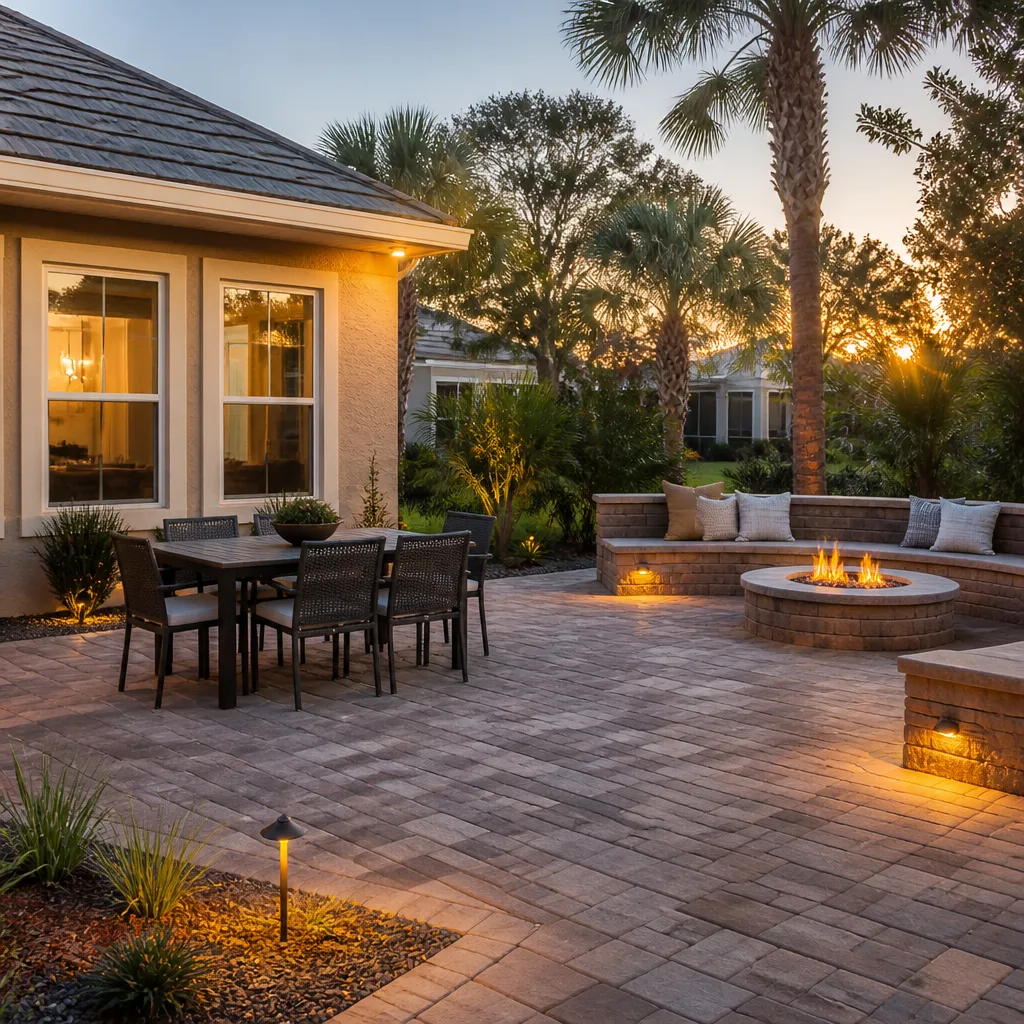
- February – Driveway, pavers, and hardscape. New paver installation, re-sanding, and sealing all perform better in dry weather. Base compaction stabilizes before the wet season. If you’re weighing driveway & pavers work, this is the month to lock in the schedule.
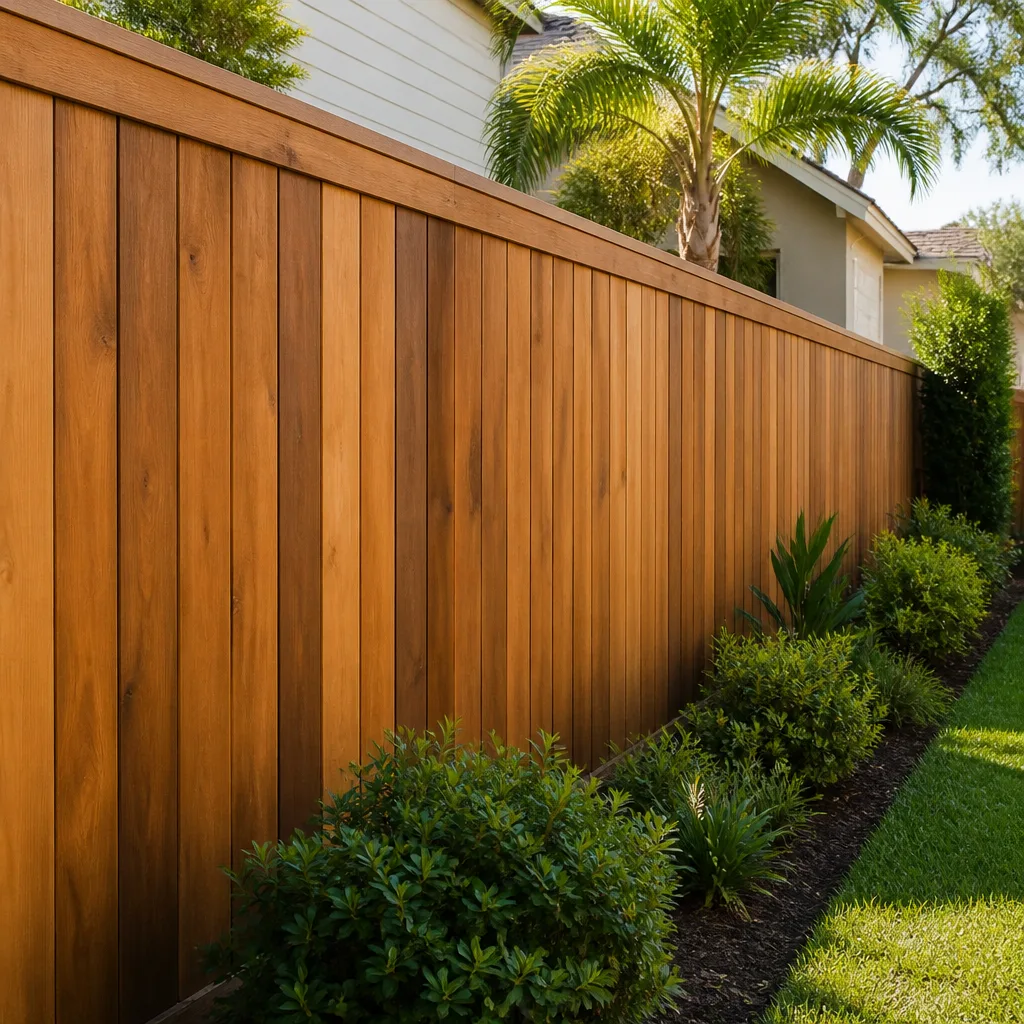
- March – Fence and exterior structure. Post concrete and fence installation set properly in the dry window. Assess any leaning posts or wind-damaged panels from the prior year. For new or replacement work, see fence installation.
- April – Final pre-hurricane prep. Trim trees away from the roof, verify roof fasteners and flashing, confirm impact window seals, check that soffit and fascia are intact, and clear gutters and drainage paths.
- May through October – Interior projects and rapid-response exterior repair. Kitchens, baths, and interior renovation work well here regardless of weather. Exterior work happens where required, but scope is smaller and scheduling is tighter.
- October – Post-season assessment. Sixth months of rain has done whatever it’s going to do. Inspect again, document any issues, and set the next dry-season plan.
Print this list and post it somewhere visible. Homeowners who follow it end up doing the same amount of work over a decade but with far fewer emergency calls and quieter weekends.
Pre-Hurricane Structural Checklist for South Florida Homes
The pre-hurricane checklist for a Kendale Lakes home is not the same as one written for a Midwest storm season. Local construction details – the way soffit vents are installed, the type of fascia board used, how impact window frames are anchored – behave in ways you need to know about.
- Roof deck fasteners. From the attic if it’s accessible, check how the sheathing is fastened to the trusses. Loose or missing fasteners are a wind-uplift risk. If you can’t safely inspect the attic yourself, have it checked.
- Roof covering condition. Look for lifted tabs, cracked tiles, exposed nail heads, and deteriorated sealant at ridge caps and valleys. A roofing partnership with brands like GAF, CertainTeed, and Owens Corning matters here because the material spec determines the wind rating.
- Impact window and door seals. Impact windows from PGT, CGI, or ECO Window Systems protect against wind-borne debris, but the perimeter sealant is what keeps water out. Check for gaps, cracking, or pulled caulking at the frame-to-wall joint.
- Soffit and fascia condition. South Florida’s soffit details carry ventilation and structural roles. Wet rot at fascia corners and loose soffit panels are the failure points we see most before a storm.
- Gutter attachment and downspout flow. Full gutters add weight and can pull away from the fascia in high wind. Confirm downspouts flow freely and carry water well away from the foundation.
- Entry door adjustment and hardware. Storm-rated entry doors (Therma-Tru systems are common in the area) need their strike plates, hinges, and weatherstripping checked so the door seals tight under pressure.
- Patio and screen enclosure condition. Screens, aluminum framing, and concrete anchors all take wind load. Loose anchor bolts are a common find.
Complete this checklist in April, not June. Once the wet season begins, exterior work and inspection scheduling both compress, and if the list turns up a roof or window problem, you want weeks of window to fix it rather than days.
Post-Rainy-Season Inspection Protocol: What Six Months of Rain Did
October is when truth arrives. Six months of daily rainfall has worked on every exterior surface, and the inspection you do in early November is the most valuable single hour you’ll spend on your property all year. Follow this order:
- Walk the perimeter slowly. Look for ponding water against the foundation, soil erosion along the slab, and staining that suggests water is running down a wall.
- Check the roof from the ground with binoculars. Look for missing or lifted shingles, granules in the gutters, damaged flashing at penetrations, and dark streaks that might indicate moisture trapping.
- Inspect window and door seals. Run a hand along the interior frame after a heavy rain; a spot of damp drywall or a bubbling paint edge at the sill indicates a perimeter seal failure. Check exterior caulking for cracking.
- Look at fascia and soffit. Water staining, peeling paint, or soft spots at fascia indicate moisture has been getting behind the finish. This is the most common pre-storm repair we see in Kendale Lakes.
- Test drainage. Pour a bucket of water near a downspout discharge and watch where it goes. If it’s pooled near the slab, that’s a foundation soil issue you want corrected before the next season.
- Check exterior paint and coatings. Blistering, chalking, or peeling are direct indicators the coating has failed. In this climate, exterior paint typically needs attention more often than homeowners expect.
- Walk the driveway and any hardscape. Look for sand loss between pavers, settling, or joints pulling apart. Re-sanding and re-sealing now protects the base through the next wet season.
- Document everything. Photograph issues with a date reference. If a contractor visit is needed, having evidence saves a return trip.
If your inspection finds a foundation perimeter drainage problem, roof flashing failure, or window seal breach, don’t wait for the next rainy season to test the repair. Get it inspected by a professional and repaired while the dry window is open.
How to Schedule Contractors Around the Dry Season Crunch
Licensed contractors in South Florida book out months in advance for dry-season work, and Kendale Lakes is no exception. If you call in February expecting a March start for a new roof or a paver install, you’ll be disappointed. The homeowners who get what they want book opposite to instinct.
- Book dry-season projects in late summer. August and September are when you should be calling for November-through-April work. By October, the most in-demand crews are already committed.
- Book interior projects in the dry season. Kitchen and bath remodels don’t care about weather, so winter is a smart time to schedule them – you avoid competing for crews who are jammed on exterior work.
- Permits take time. If your project requires a permit (roof replacement, structural additions, ADU build, window replacement with structural changes), filing early is not optional. Permit reviews and inspections add weeks, and slow permits can push a project into the wet season even when the contractor is ready.
- Bundle the scope in one conversation. One contractor who can handle roofing, windows, pavers, and interior in a coordinated sequence removes the gaps that open when four specialty contractors each schedule independently. Kendale Lakes Construction was built to work that way – a single point of contact from permit to punch list across seven service lines.
- Ask for the real calendar. A contractor who tells you they can start next week on a large dry-season project is either not busy or not being straight with you. Ask for the actual start window and the reason it’s that window.
If you’re planning a large project like a room addition, an ADU, or a full home additions & ADU, fall scheduling is critical. Structural projects have longer permit and material lead times, so the planning window starts in late summer for a dry-season build.
The Tasks You Skip in Dry Season That Become Emergencies in Wet Season
Deferred maintenance in this climate isn’t a slow burn – it’s a specific transfer of cost. A task done on schedule in the dry season is a planned project with a written estimate. The same task done under emergency conditions in the wet season is a larger bill, a compressed schedule, and a tighter scope because you’re working around active weather. The categories that convert most often:
- Roof flashing and sealant maintenance. Small flashing repairs done in January stay small. Ignored, they become interior water damage during the first heavy rain.
- Window perimeter sealant. A failed seal is a caulking job in the dry season. In the wet season it becomes a water-intrusion investigation with interior repair scope attached.
- Gutter and downspout clearing. Clogged gutters in April mean overflow along the fascia starting in June. That’s moisture behind the paint line and, often, soffit damage.
- Paver re-sanding and sealing. Dry-season maintenance protects the base and joints. Skip it, and wet-season settling means re-doing sections of the driveway, not just re-sealing.
- Exterior paint and coating condition. A peeling coating lets moisture into the substrate. Once wood or stucco is saturated, the repair scope grows.
- Fence post inspection. A leaning post in March is a re-set. After a wet-season wind event it can be a full section replacement.
Rather than quote exact emergency premiums, which vary by project, we’ll say this: the planning step costs a fraction of the repair step. That’s a consistent pattern we’ve seen working across these categories.
Why Interior Projects Belong in the Wet Season
The wet season is not a lost five months for construction – it’s the ideal window for everything that happens inside the envelope of the house. Kitchens, baths, and interior renovation work on their own timeline that has nothing to do with rain.
A kitchen remodel scheduled for June benefits from a contractor being able to move quickly on interior work without competing for resources against roofing or paver crews. Cabinet lines like KraftMaid and Wellborn let you specify semi-custom or custom options without falling back to big-box stock, and engineered stone countertops through Cambria, Silestone, or Caesarstone bring real material choice into the seasonal planning. Material choice, in fact, is often the largest single variable in a kitchen decision, far more than the weather.
Bathroom remodeling follows the same logic. Window replacement can go either direction, depending on whether the project touches exterior stucco or structural framing. If it does, schedule it in the dry season. If it’s an interior replacement, the timing is flexible.
The practical takeaway: plan your year so exterior work lands in the dry season and larger interior projects land in the wet season. That plan makes both categories cheaper and less stressful than trying to force everything into the same window.
Common Mistakes to Avoid
- Planning exterior work in April for a May start. Licensed crews are already booked. The better move is to book in February for the following winter.
- Treating dry season as one long flexible window. It’s roughly five months, and each month has its own ideal task. Roofing is best in December-January; pavers in February; exterior painting in March. Sequence accordingly.
- Skipping the October inspection because the house looks fine. The most expensive failures in this climate hide behind finishes. Six months of daily rain finds the weaknesses whether you’re looking for them or not.
- Calling one contractor for the roof and a different one for the pavers and a third for the windows. Each handoff creates a gap where responsibility blurs. A single accountable contractor across the full property scope eliminates that risk.
- Assuming impact windows solve the water problem. The window itself is not the failure point. The perimeter seal around the frame is. Inspect the sealant, not just the glass.
- Waiting to permit a project until the contractor says to file. If you know the project is happening, start the permit process during planning. Kendale Lakes permits and inspections take time and both are calendar-dependent.
- Replacing materials without verifying brand and spec. A roof is not a roof; a shingle spec drives the wind rating. Confirm the exact product and manufacturer before scheduling.
See the difference
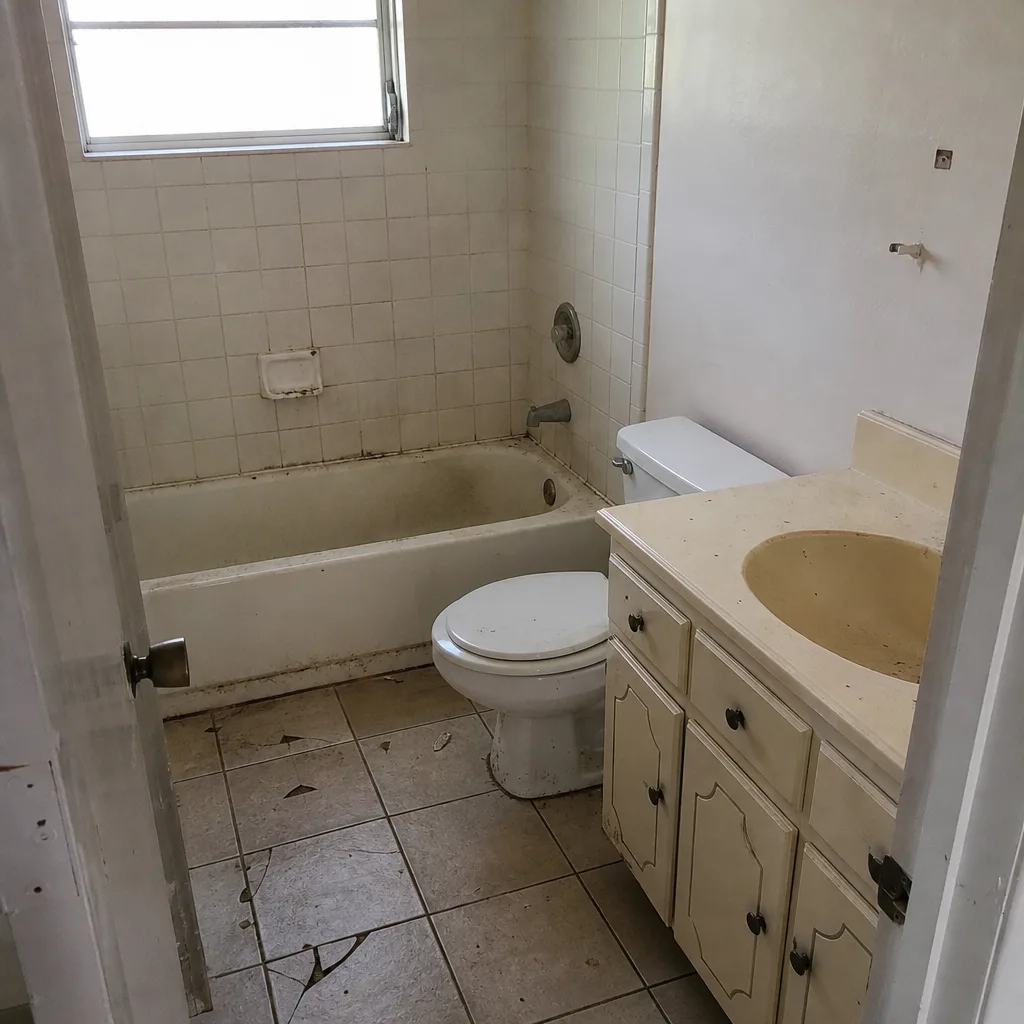 Before
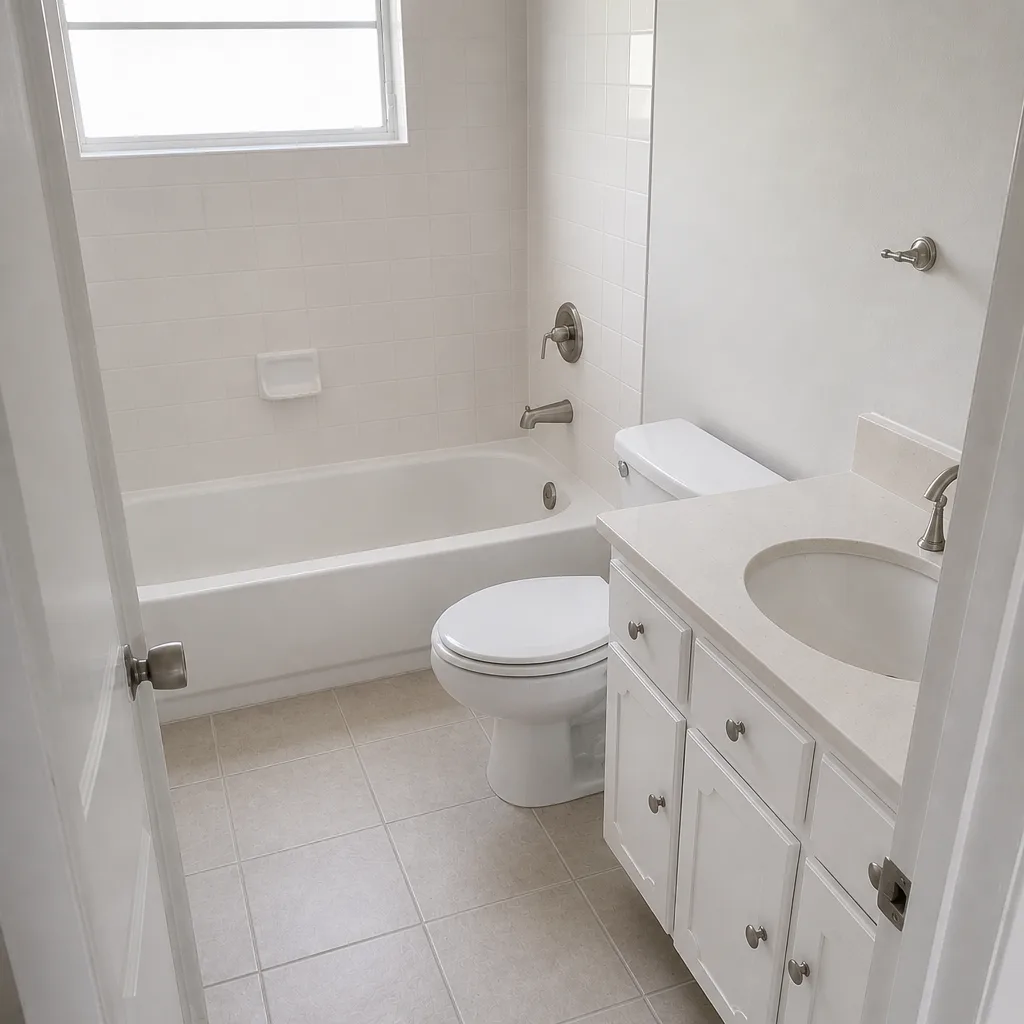 After
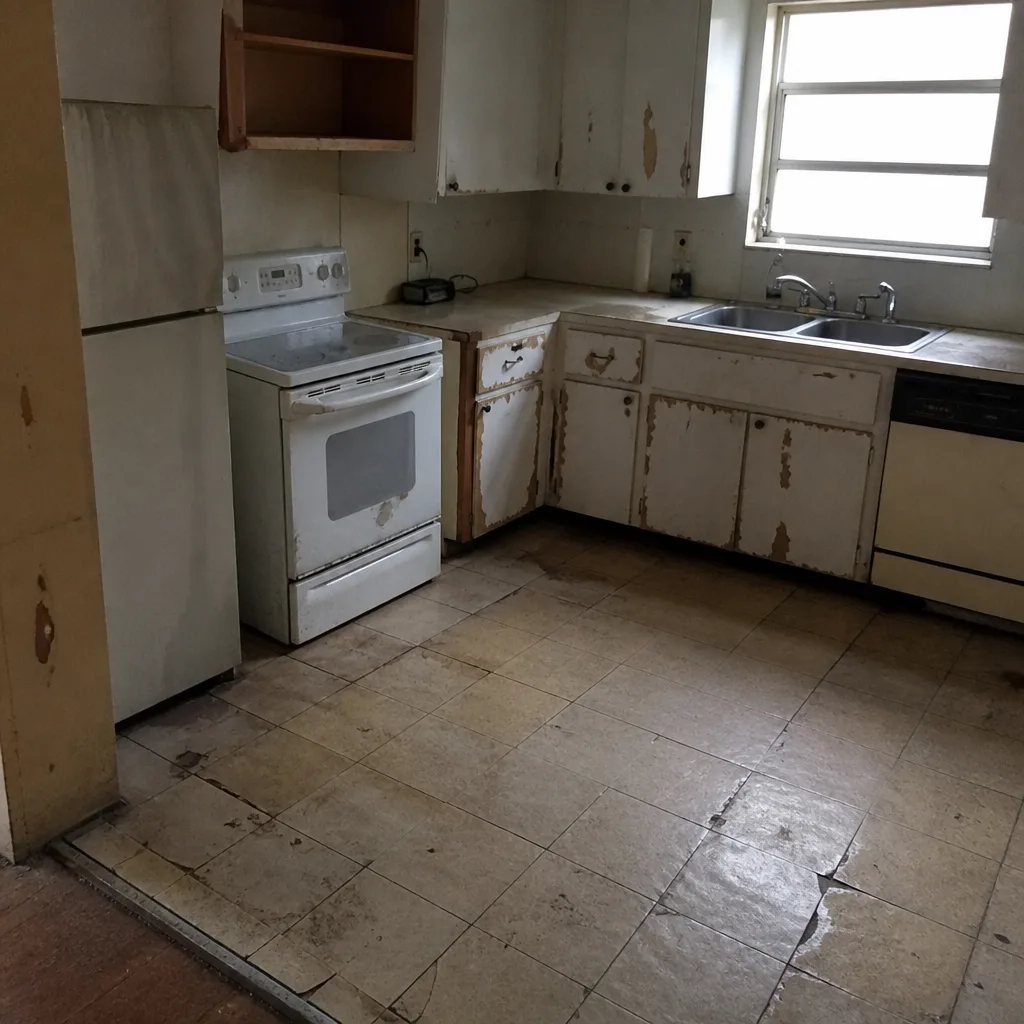 Before
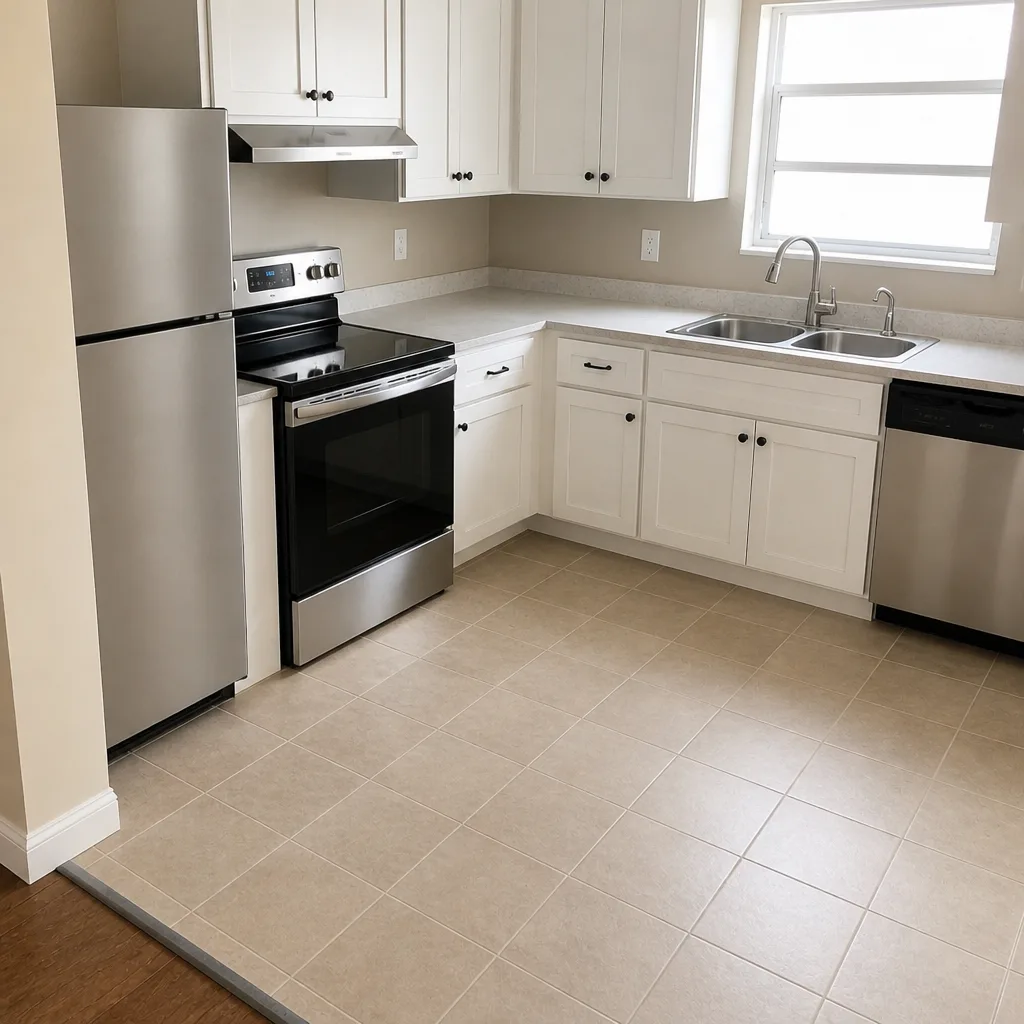 After
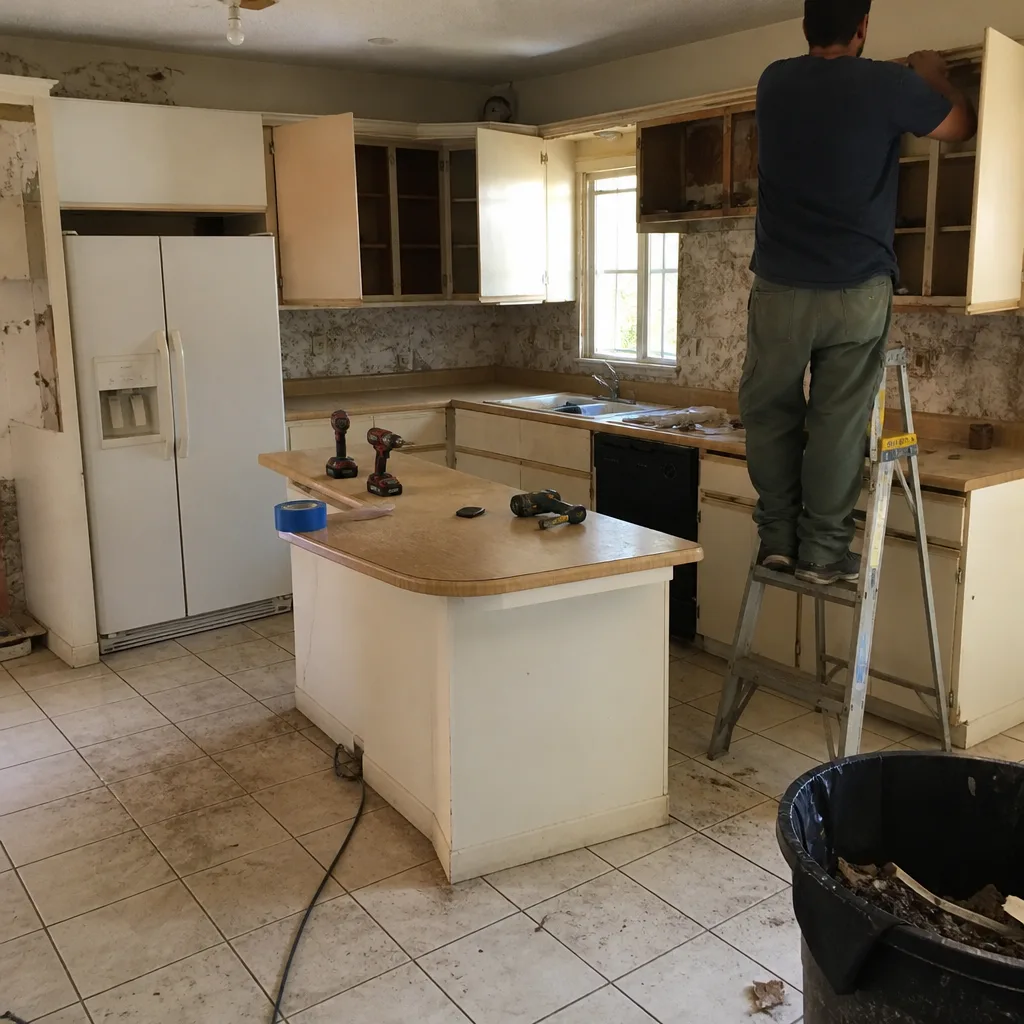 Before
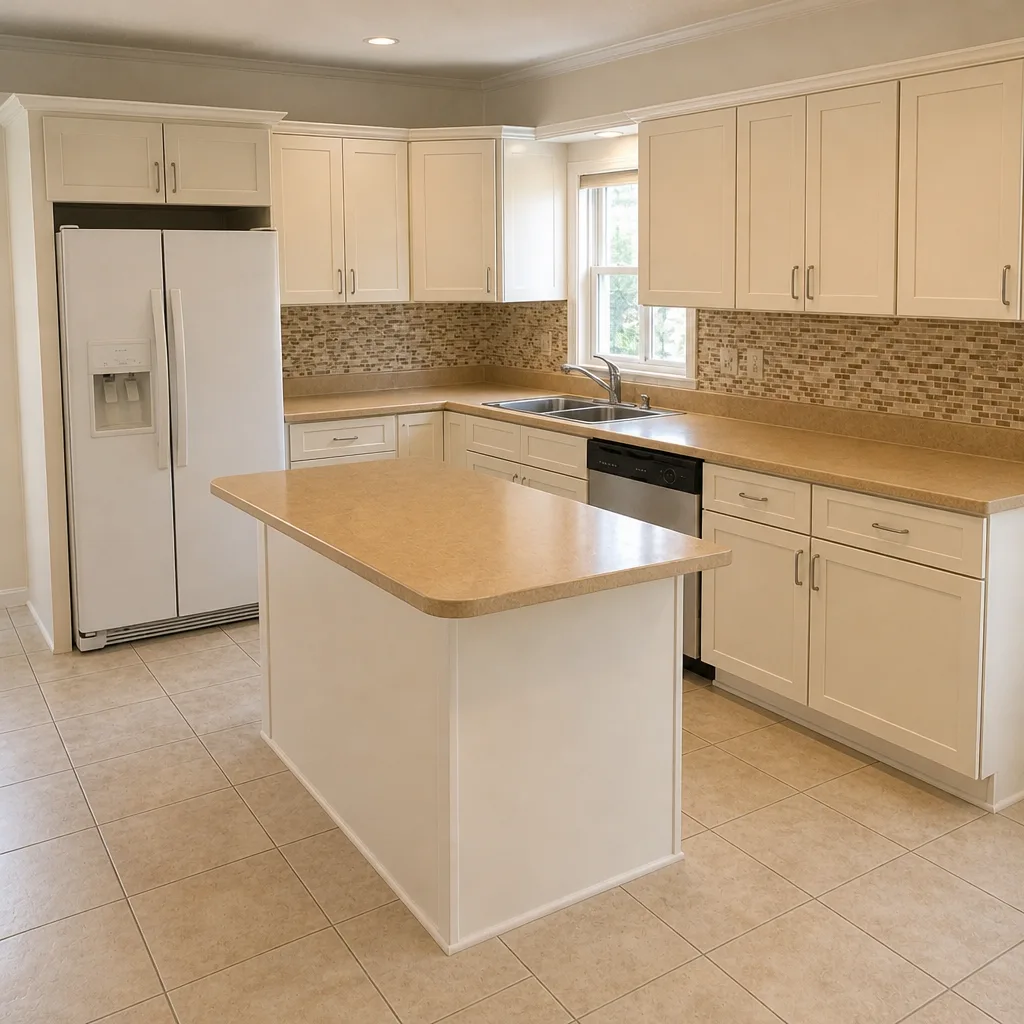 After
When to Call a Professional
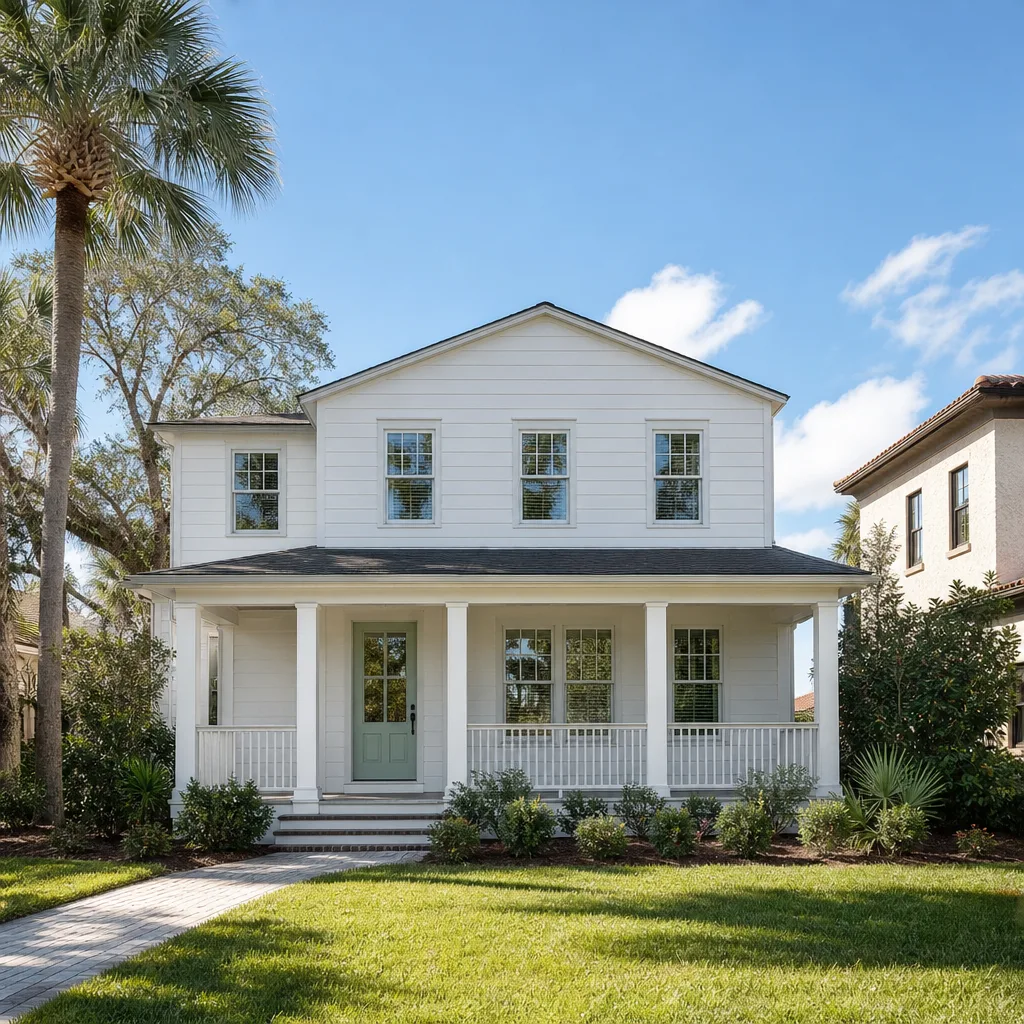
Not every maintenance task needs a contractor. Cleaning gutters, replacing caulking, and inspecting visually are all homeowner-level work. Call a professional when the task involves:
- Roof work of any kind, including inspection of flashing, decking, or sealant failure
- Impact window or door replacement, perimeter seal failure, or any work that touches the structural opening
- Any structural project, including additions and ADUs
- Foundation perimeter drainage issues or evidence of water intrusion into the building envelope
- Any repair you can’t safely access or inspect without climbing
Kendale Lakes Construction offers free estimates in Kendale Lakes – call (866) 531-4751. We answer 24/7. Fast dispatch from 7am to 7pm, Sunday through Friday. Our technicians have up to 10 years of experience with South Florida climate conditions, and the estimate is a written line-item scope so you know exactly what’s being proposed and what’s excluded.
Frequently Asked Questions
The dry window from mid-November through late April is the best time for exterior work in Kendale Lakes, because lower humidity lets roofing adhesive, paver base, exterior coatings, and window sealants cure properly before daily rains begin. Book by late summer for the following dry season, as licensed contractors fill in advance for these months. Call (866) 531-4751 for a free estimate on your exterior project.
Have your roof inspected once a year, ideally in October after the rainy season and again in April before hurricane season. Those two checkpoints catch the same issues at different stages – October tells you what the rain did, and April confirms the fix and pre-storm readiness. If you see missing shingles, lifted tabs, or interior staining, don’t wait for the next check; call (866) 531-4751.
After the wet season, check the roof, window and door perimeter seals, soffit and fascia for staining or rot, foundation perimeter for ponding water, exterior paint for blistering, and paver joints for sand loss. Six months of daily rainfall exposes any weakness. If you want a professional assessment rather than a self-inspection, call (866) 531-4751 – estimates are free.
The price is set by the written estimate, so short of discovering a hidden condition you approve separately, it doesn’t change. If the scope grows, it’s documented before work continues. Everything we schedule is based on a line-item scope, not a rough guess. Call (866) 531-4751 for a free estimate on a scoped written quote.
Yes, permitted work is pulled and inspections passed. Kendale Lakes and Miami-Dade permitting rules apply to roof replacement, structural additions, ADUs, and window or door replacements that touch structural openings, and permit timelines affect scheduling. Bring us the project scope early – permit lead times are a real variable in dry-season planning. Call (866) 531-4751 to talk through what your project needs.
Yes, and that’s when we recommend them. Interior work runs independent of weather and lets you avoid competing with exterior crews for scheduling and materials. Kitchen and bathroom remodels, cabinetry selection, and countertop installs all fit well into the wet-season window. Call (866) 531-4751 to plan an interior project.
The Bottom Line
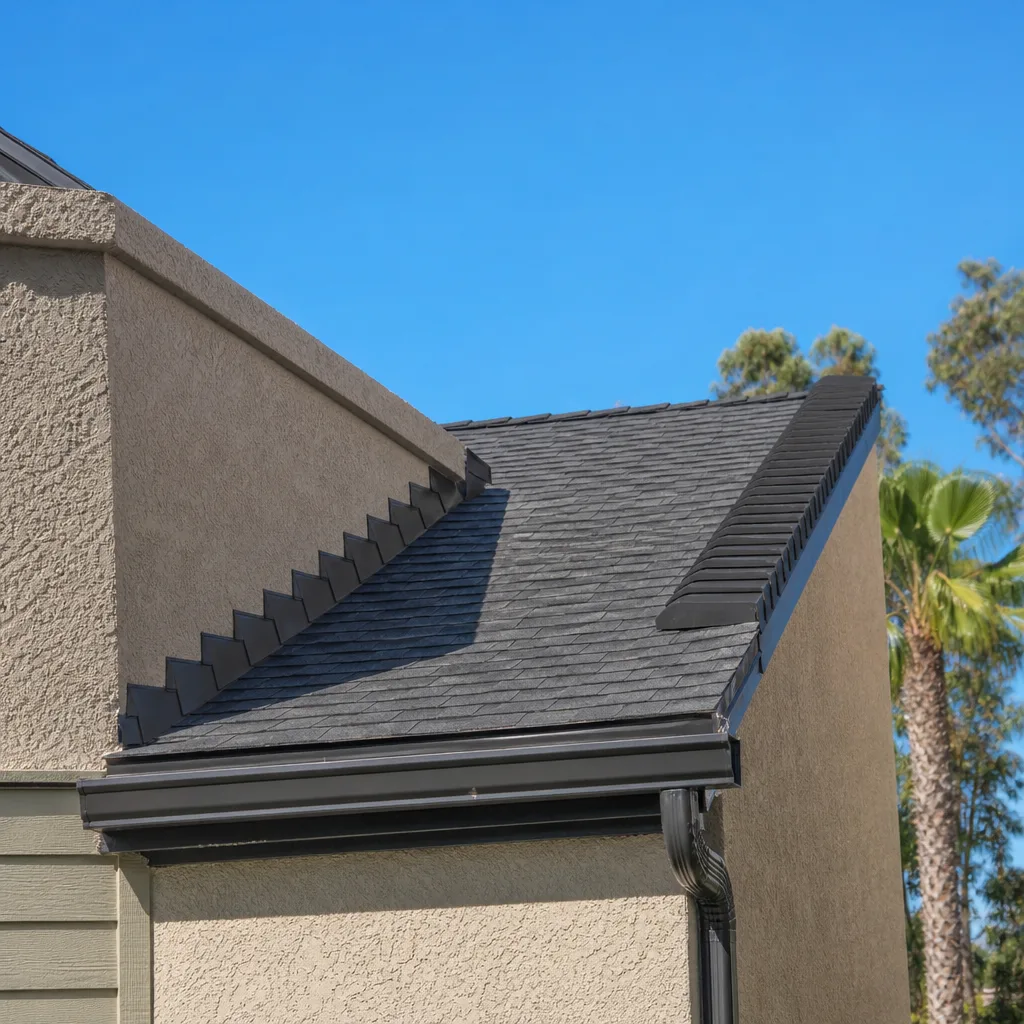
The two-season reality of Kendale Lakes means your maintenance calendar should be built around weather patterns, not arbitrary monthly categories. Exterior work – roofing, pavers, fencing, windows, paint – belongs in the dry window between mid-November and late April. Interior work belongs in the wet season. The October inspection is the single highest-value hour you spend; skip it, and every deferred decision converts into a wet-season repair at higher cost and tighter scope. Schedule ahead in the dry-season crunch by booking in late summer, keep brand specs verified on every material, and use one accountable contractor across the full property scope rather than handing off between specialty trades. Kendale Lakes Construction handles all seven service lines as a single point of contact from permit to punch list, with a Kendale Lakes Construction team that specifies the right material for the job and stands behind the brand partnerships that stand behind the work – from GAF and CertainTeed on roofs to PGT and CGI on windows, and from KraftMaid and Cambria in kitchens to Belgard and Tremron in the yard. Real brands, real choices, one contractor from the roof to the driveway. Call (866) 531-4751 for a free estimate. We answer 24/7. Fast dispatch from 7am to 7pm, Sunday through Friday.
Written by the team at Kendale Lakes Construction.