Last updated November 17, 2026


Free written scope consultation - allowances, timeline, and change-order rules on paper before a single trade is scheduled
How to Hire a Construction Contractor in Kendale Lakes: A Step-by-Step Guide
Most hiring advice stops at “get three quotes and check references.” That’s table stakes, and it won’t protect you from the failure modes that actually cost Kendale Lakes homeowners money: unlicensed sub-labor, permit avoidance, and scope that gets split across several trades until nobody is accountable for the finished result. Miami-Dade is one of the most active markets in Florida for unlicensed contractor activity, and neighborhoods with high home values draw operators who can’t legally pull a permit for the work they’re pitching. In this guide we’ll walk through how to verify a license against your specific scope, how to tell whether your contractor is pulling permits in their own name, how to structure a contract around inspection realities, and the red flags that show up again and again in South Florida. By the end you’ll have a vetting framework you can use on any project in Kendale Lakes.
Quick Answer
To hire a construction contractor in Kendale Lakes, verify the contractor’s Florida license covers your exact scope of work, confirm the permit will be pulled in the contractor’s name and not through a borrowed qualifier, insist on a written contract with a line-item scope, and check that subs are carried under the contractor’s workers’ compensation. Get all four in writing before you sign. The cheapest bid is usually cheap for a reason, and in this market that reason is often unlicensed labor.
Styles & brands we work with
- Kitchen remodeling
- Bathroom remodeling
- Home additions & ADU
- Roofing
- Windows & doors
- Driveway & pavers
- Fence
Table of Contents
- How do you verify a Florida contractor license (and match it to your scope)?
- Who pulls the permit, and why the qualifier question matters
- Red flags specific to the South Florida contractor market
- How to structure a contract that survives Miami-Dade inspections
- Why the lowest bid in Kendale Lakes is the riskiest bid
- The scope fragmentation problem: multiple trades, no single owner
- Material choices and brand transparency
- What Kendale Lakes climate and codes mean for your project
How do you verify a Florida contractor license (and match it to your scope)?
You check the license number against the state database, then you read the license category, not just the status. A license that says “active” can still be the wrong license for your job. Florida splits construction authority across certified and registered categories, and each carries defined scope. A roofing contractor is licensed to install roofs. That license does not authorize a structural room addition or an ADU. A general contractor’s license covers a broad range, but even within that, a specialty contractor’s license limits the work to that specialty. When a homeowner hires the wrong category, the permit gets rejected or, worse, the work gets done under a permit that doesn’t actually cover it.
Here’s how we walk a homeowner through verification:
- Get the license number in writing on the estimate or bid, not just verbally. If they won’t write it down, that’s your answer.
- Look up the number on the state licensing database. Confirm status is active, not suspended or expired.
- Read the license category and specialty. Match it to the actual work: structural, roofing, windows and doors, hardscape.
- Check for complaints and disciplinary history on the same record. A clean status with a history of complaints is worth knowing.
- Confirm the license covers the specific scope in your contract. A licensed roofer is the right hire for a roof. A licensed general contractor is the right hire for a full-property scope that includes roofing, structure, and finishes.
For projects that cross trades, the safest route is a single contractor whose license covers the entire scope and who can coordinate the sub-trades under that license. That’s why Kendale Lakes Construction handles structural work, roofing, and finish work under one contract. But the vetting principle applies no matter who you hire: the license has to match the job, and you have to see it in writing.
Who pulls the permit, and why the qualifier question matters
The permit should be pulled in the name of the contractor doing the work, by that contractor’s own license, with the homeowner named on the permit as the property owner. When a contractor tells you “our qualifier handles permits,” that’s a phrase worth pressing on. A “qualifier” is a licensed person whose license is attached to a business entity, sometimes a business they don’t actually run or work for. The work is performed by the unlicensed business, but the permit is pulled under the qualifier’s license. That arrangement shifts a specific risk to you: if the work fails an inspection or a defect appears later, the qualifier may have no practical responsibility for the outcome, and the entity that did the work may be insulated from the claim.
What to ask and what to look for:
- “Will the permit be pulled under your license number or another?” If the answer isn’t a direct license number they can show you, slow down.
- Match the permit application name to the contract name. The business that pulls the permit should be the business you signed with.
- Check the permit record on your city or county portal once it’s open. You should see the contractor of record.
- Ask who the qualifier is and whether that person is involved in the project. A legitimate arrangement typically means the qualified person is responsible for the work itself.
In Kendale Lakes and across Miami-Dade, permit records are public. A homeowner can look up any active permit on their address and see who pulled it. Do that after the first week. If the name doesn’t match your contract, you want to know early, not after the foundation is poured.
Red flags specific to the South Florida contractor market
Every market has its patterns. South Florida has a few that show up often enough that we tell homeowners to watch for them on every project, especially in high-value neighborhoods like Kendale Lakes where large projects attract operators running on thin or nonexistent licensing.
- Post-storm surge pricing and emergency pitches. After a named storm, mobile operators show up offering immediate repairs at inflated prices, often with verbal scopes and cash deposits. Legitimate contractors don’t need to chase storm work door to door. If someone knocks, take the bid in writing and verify the license before you let them on the roof.
- Verbal change order culture. The bid is verbal, the scope is verbal, and every change is “we’ll work it out.” Written change orders aren’t a formality. They’re the document that prevents a dispute six weeks in.
- Sub-only crews with no W-2 employees. Ask who will actually be on site. If the answer is a rotating list of day labor or unvetted subs, the workers’ comp coverage and accountability are unclear. Licensed contractors carry the coverage and vet their subs.
- Large deposits before permits are pulled. A deposit is normal for material and mobilization, but if money is requested before the permit application even goes in, the contractor may not be able to pull it.
- No address, no license number, no insurance certificate. A contractor who can’t produce a certificate of insurance and a license number in writing on the same day is one you can’t verify.
- Pressure to skip permits. “You don’t need a permit for that” is a sentence to check, not accept. Most structural, roofing, window, and hardscape work in Miami-Dade does require a permit.
We’ve seen all six of these play out on projects where the homeowner was already mid-build. The time to catch them is before the first signature.
How to structure a contract that survives Miami-Dade inspections
A construction contract in Kendale Lakes has to account for something a boilerplate contract won’t: Miami-Dade inspection schedules are not predictable. The building department runs multiple inspections on a typical structural or roofing project, and the timing can stretch well beyond a contractor’s initial guess. A well-built contract handles that by defining the sequence, not promising a date.
What to put in the contract:
- A written, line-item scope. Every line priced. Materials specified by brand and model where it matters. No “allowance” language that hides half the cost.
- Permit responsibility stated explicitly. Who pulls the permit, who pays the fee, who schedules inspections, who is responsible if a reinspection is required.
- Milestone payments tied to inspections, not to dates. A payment that unlocks on passing rough-in or final inspection keeps the contractor accountable for the inspection outcome.
- Written change order process. Every change signed and priced before the work is done. No verbal adds.
- A defined inspection-delay protocol. If the permit inspection is rescheduled or delayed for reasons outside the contractor’s control, how is the schedule adjusted and how does it affect the next payment milestone?
- A punch list clause. What counts as complete, how the punch list is resolved, and what releases the final payment.
The inspection-delay protocol is where contracts most often go soft. A legitimate contractor builds in a schedule that anticipates realistic inspection timing. A contractor who uses “permit delays” as a recurring explanation for weeks of lost time is telling you something about how the project is being managed, not what the building department is doing.
Why the lowest bid in Kendale Lakes is the riskiest bid
Kendale Lakes sits in one of the most active unlicensed-contractor markets in the country. High home values make large projects attractive, and a homeowner financing a kitchen renovation or a room addition is a good target for an operator whose business model depends on undercutting licensed bids with unlicensed labor. The lowest bid in this market is statistically more likely to involve unlicensed sub-labor than a comparable bid in a lower-value Florida market, because the spread between licensed and unlicensed labor is bigger and the pool of operators willing to exploit it is larger.
This doesn’t mean the highest bid wins. It means price needs to be read against scope. A few ways to tell the difference:
- Compare line items, not totals. If one bid has fewer line items than another, the missing lines are the actual difference in price.
- Ask what materials are specified. A bid without a material schedule is an estimate, not a proposal.
- Ask how subs are licensed and insured. The licensed contractor’s bids include the cost of coverage. The unlicensed one doesn’t.
- Ask what happens if an inspection fails. The answer reveals how much of the project has been priced to code.
The realistic middle path is this: get three bids, compare the line-item scope on each, and then ask the lowest bidder to justify the spread against the highest. A qualified contractor will be able to. A contractor who can’t may be pricing out labor the state requires them to license.
The scope fragmentation problem: multiple trades, no single owner
Most expensive contractor disputes we see don’t come from a single bad trade. They come from the gaps between trades. The roofer finishes, the window installer starts, and the stucco repair that was on neither contract gets bounced between the two. The kitchen remodeler blames the plumber; the plumber blames the electrician; the homeowner pays for the re-inspection. In a multi-trade project, fragmentation is the structural risk. The contract that covers everything is the one that produces someone accountable when something doesn’t line up.
This is where scope matters when you’re evaluating a contractor. Ask two questions:
- Does the contractor’s license and scope cover all the trades I’m hiring for? If not, who is responsible for coordinating between the contractors?
- If two trades are involved and the seam between them is wrong, whose problem is it? The answer should be one name.
For projects that cross structural, roofing, window, and finish work, the cleaner path is one contractor covering the whole property scope. That’s the model behind home additions & ADU work in Kendale Lakes, where a structural addition and the window and door package and the finish work all sit under one contract. Same logic applies to exterior work: a driveway & pavers install that meets a fence line and a roofline is best planned by someone with all three in scope. If you’re only hiring one trade, the coordination risk is smaller. As soon as you cross into two or three, the single-source model is where the accountability lives.
Material choices and brand transparency
A contractor who won’t name brands is telling you the materials are interchangeable. That’s fine for gravel and rough framing, and it’s a problem for shingles, cabinets, countertops, and windows. Every one of these categories has meaningful differences in warranty, performance, and durability, and the homeowner who doesn’t see the brand in the proposal is the homeowner who finds out at installation that the spec wasn’t what they assumed.
What we recommend homeowners look for in a proposal:
- Named brands and model lines in the material schedule, not just “architectural shingles” or “custom cabinets.”
- Multiple manufacturer options at different price points. A contractor with a single source is a contractor whose options are limited.
- Warranty terms stated in writing. Manufacturer warranty on materials, contractor warranty on labor, who handles claims.
- Category depth. A roofing scope that names GAF, CertainTeed, or Owens Corning is a proposal built on real options. A window package that names PGT, CGI, or ECO Window Systems is one built on impact-rated and energy-efficient lines. A fence scope that names Ameristar, Jerith, or ActiveYards is one where the material choice is real. If a proposal has no brand specificity, ask for it in writing before you sign.
Real brands, real choices. That’s the standard we hold ourselves to on every proposal. A homeowner choosing between options should be choosing between specified options, not between “the contractor’s call” and “the upgrade.”
What Kendale Lakes climate and codes mean for your project
Kendale Lakes sits in the South Florida climate zone, and that shapes what a contractor has to build for. The relevant factors are rain, sun, and wind, plus the permitting standards that come with them. Roofs and windows in this climate are specified for wind performance, and a roofing package that isn’t rated for the local wind zone is the wrong roof for the house. Homes here are built on slab, not on basements, so exterior drainage and hardscape planning run together: a driveway, paver patio, or fence line is planned with rainwater flow in mind, not just aesthetics. The other local factor is summer heat: window glass performance, attic ventilation, and roof color choices all affect how hard the air conditioning has to work, which is why we pay attention to window specs beyond impact rating.
Codewise, most structural, roofing, and window work in Kendale Lakes requires a permit and inspection through Miami-Dade County or the relevant municipality. Every window replacement that changes opening size, every room addition, every roof replacement with a structural repair, and every change to a structural wall runs through the permitting process. Design standards also come into play on additions: setbacks, impervious area limits, and height restrictions on the lot are part of what a licensed contractor manages before the permit is filed. A contractor proposing an addition without checking the lot’s zoning constraints is one who hasn’t done the first step.
Roofing safety note: roof and high-window work in Kendale Lakes should only be done by trained, licensed professionals. Falls from height are the leading risk on residential roofing projects in this climate, and the heat load makes it worse. Never do a roof repair yourself, and never let a contractor talk you into walking the roof to “have a look” at something they can assess from the ground or from photos. The same caution applies to structural changes that require cutting into load-bearing walls or tampering with the electrical system. Those are the moments where you want a licensed contractor and a pulled permit, not a favor from a neighbor.
Common Mistakes to Avoid
- Hiring on license status instead of license category. An active license is only half the check. The category has to cover the specific scope. A roofing license doesn’t authorize an addition, and hiring one roofer to “handle everything” is a recipe for a failed inspection.
- Not asking who the qualifier is. When the permit number and the contract number come from different entities, the homeowner carries the risk. Ask for the license number in writing on the estimate.
- Accepting verbal change orders. In this market, verbal scopes are a common source of disputes. Every change gets a price and a signature before the work starts.
- Avoiding permits to save money. The permit is one of the cheapest parts of the project. Skipping it creates a disclosure problem at resale and shifts inspection risk to the homeowner.
- Comparing total bids without comparing line items. The bid difference is almost always in the scope, not in the price. Read the scope lines side by side.
- Letting “permit delays” cover schedule failures. A short inspection delay is normal. Weeks of it are a management problem. Ask for the inspection schedule and how it affects the payment milestones.
- Skipping the subcontractor check. Ask which subs will be on site and whether the contractor carries coverage for each. In a high-value market like Kendale Lakes, sub-only crews with no W-2 employees are a genuine liability to the homeowner.
See the difference
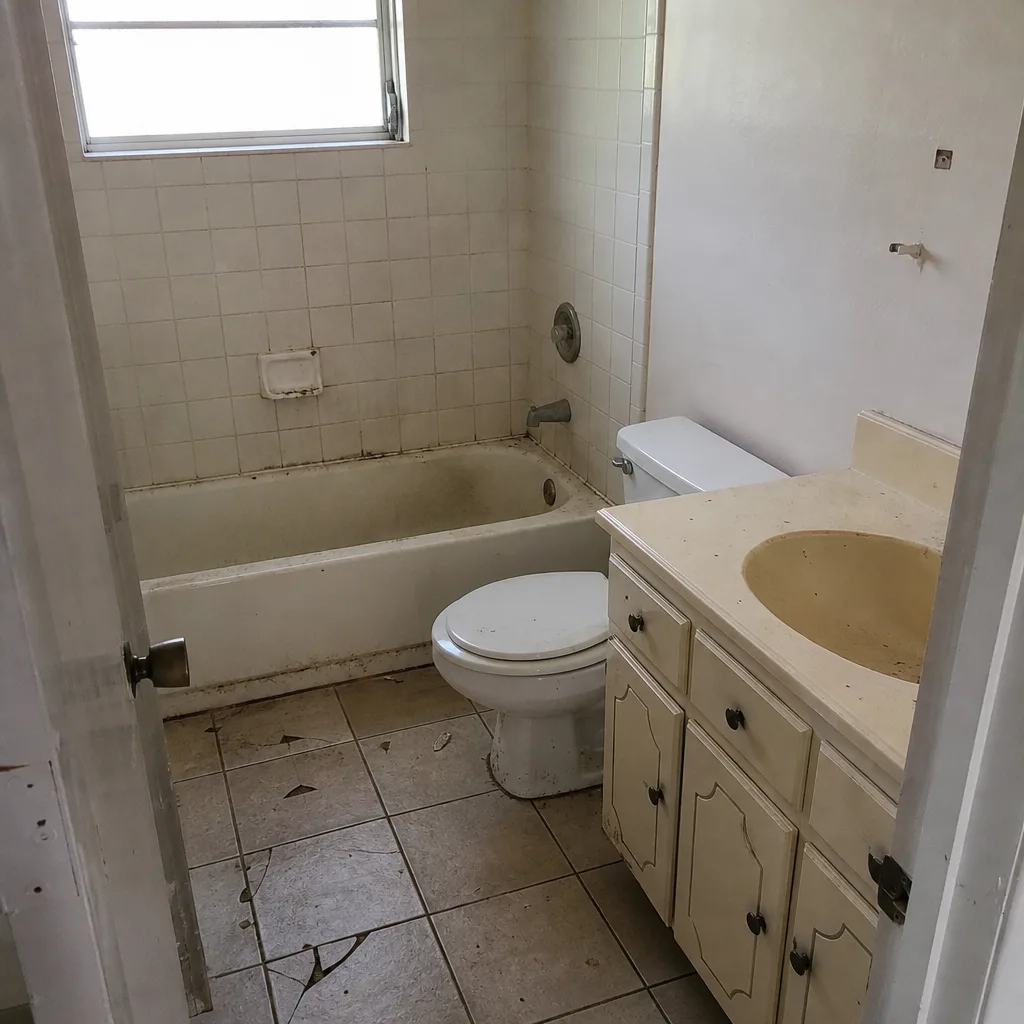 Before
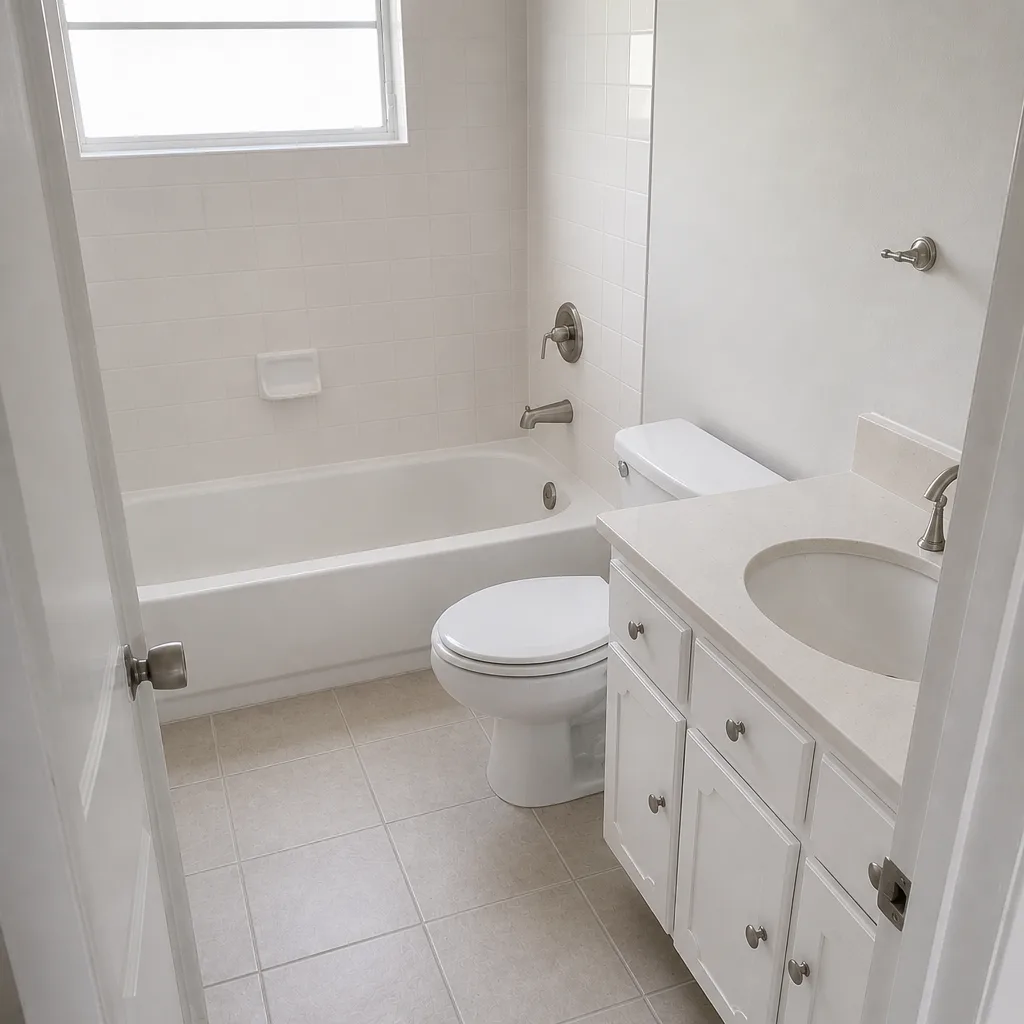 After
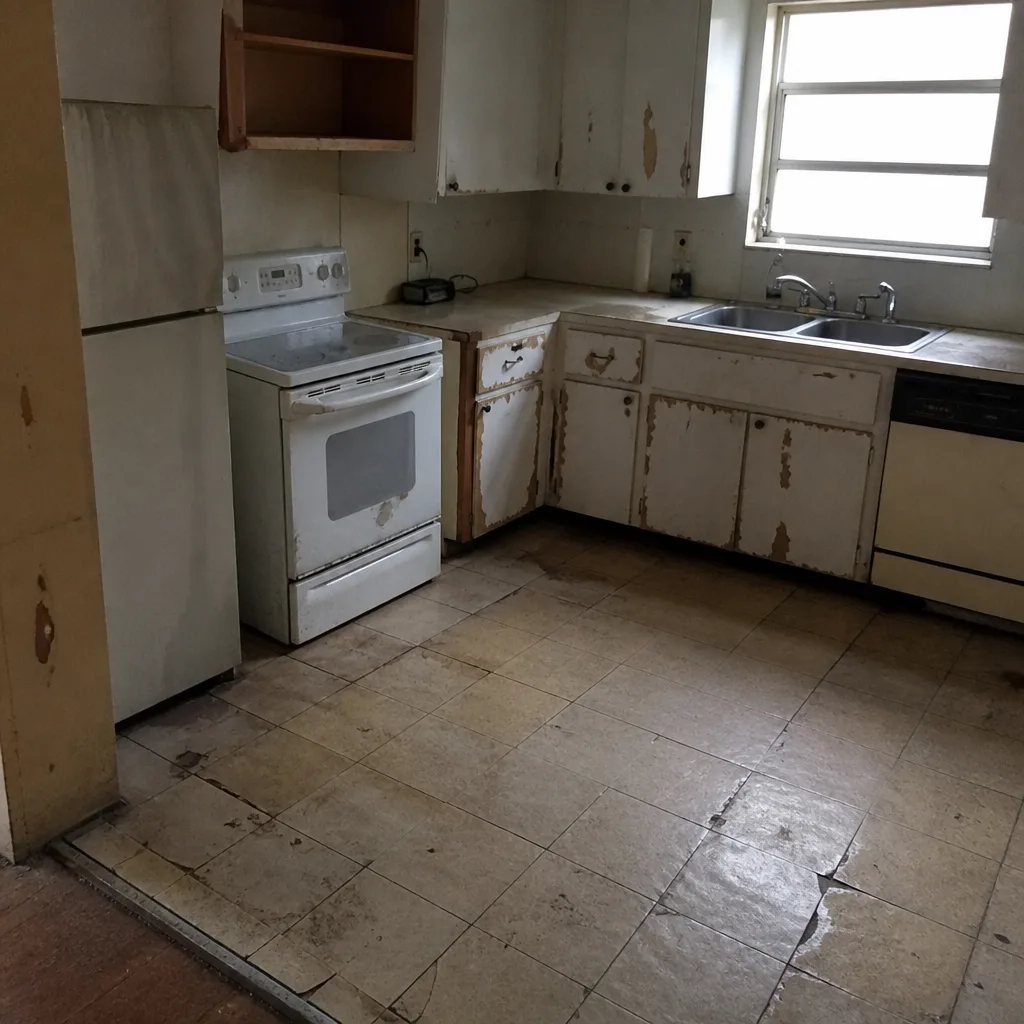 Before
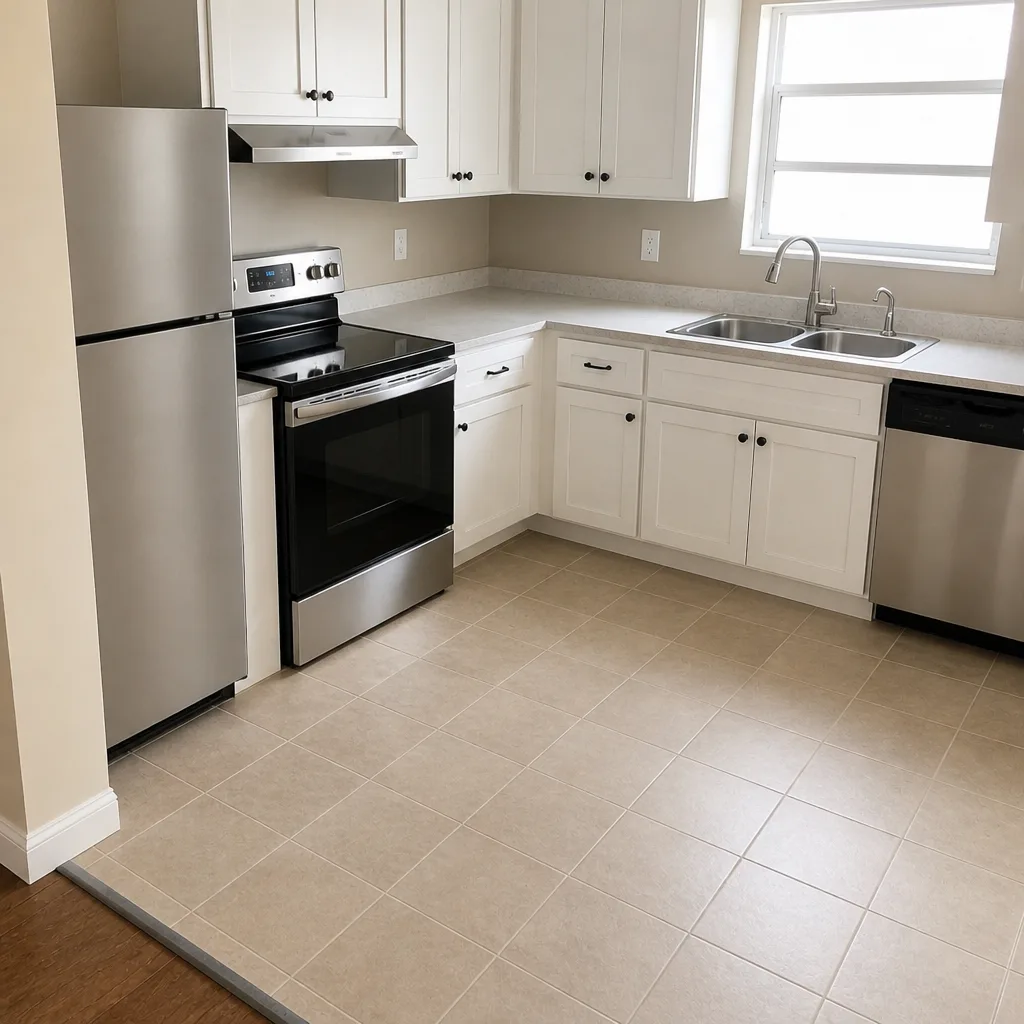 After
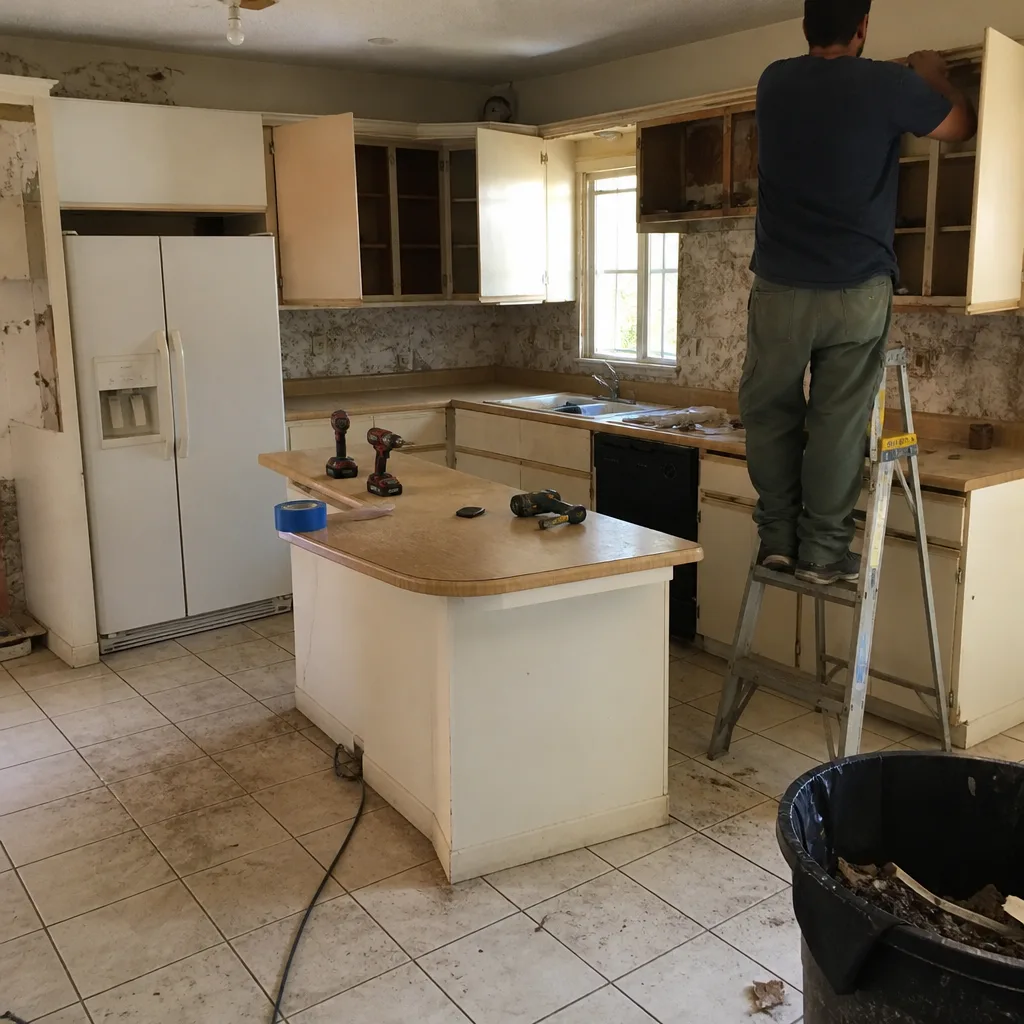 Before
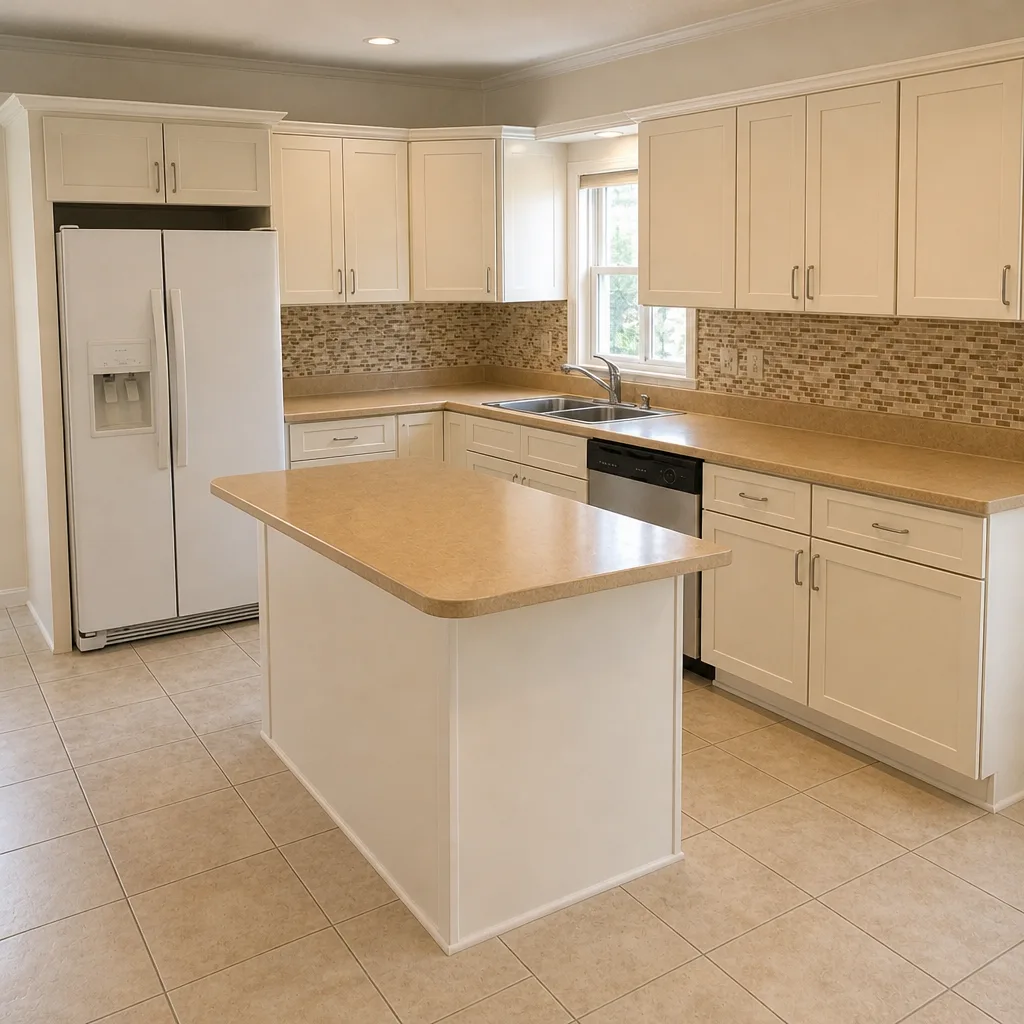 After
When to Call a Professional
If the work involves a permit, a structural change, a roof, a window opening, or a five-figure material purchase, hire a licensed contractor. That covers more projects in Kendale Lakes than most homeowners expect: a new roof, a room addition, a kitchen or bath remodel, a fence install that requires a permit on a corner lot, a driveway replacement, and window or door replacement on an impact-rated opening. If you’re in the early planning stage and only have a rough idea of the scope, a free estimate is still the right first call. Kendale Lakes Construction offers free estimates in Kendale Lakes, and we can help you tell which parts of the scope need a permit, which need a licensed trade, and which can wait. Call (866) 531-4751. We answer 24/7. Fast dispatch from 7am to 7pm, Sunday through Friday.
Frequently Asked Questions
You check the license number on the Florida state licensing database and confirm two things: that the status is active, and that the license category covers your specific scope of work. Ask for the license number in writing on the estimate, then verify the record yourself. A licensed roofer is licensed for roofing only; an addition needs a general or structural license. Call (866) 531-4751 for an exact scope review – estimates are free.
Yes, it should. The contract should state who pulls the permit, who pays the fee, who schedules inspections, and who is responsible if a reinspection is required. Permits in Miami-Dade are public record, so you can confirm the permit was pulled by the contractor you signed with. If the permit is in another entity’s name, ask why. Call (866) 531-4751 to walk through the permit process for your project.
Because this market has a high volume of unlicensed contractor activity, and high home values make large projects attractive to operators using unlicensed sub-labor. The lower bid often reflects missing coverage, missing permits, or missing line items rather than genuinely lower costs. Compare bids by line item and ask the lowest bidder to justify the spread. Call (866) 531-4751 for a line-item estimate.
A qualifier is a licensed person whose license is attached to a business entity, sometimes one they don’t actively run. When the qualifier is a different person from the contractor you’re working with, the accountability for the outcome can shift. Ask who the qualifier is and whether that person is responsible for the work itself. If the answer isn’t clear, get the license number in writing before you sign. Call (866) 531-4751 with questions – estimates are free.
Tie payments to inspections, not to dates. A milestone payment that unlocks on passing rough-in or final inspection keeps the contractor focused on the inspection outcome, not the calendar. The contract should also include an inspection-delay protocol: what happens to the schedule if a required inspection is rescheduled for reasons outside the contractor’s control. A short delay is normal; weeks of it are a management signal. Call (866) 531-4751 for an example contract structure.
For roofing, a legitimate proposal names the shingle manufacturers: GAF, CertainTeed, or Owens Corning. Windows and doors should name PGT, CGI, or ECO Window Systems for impact-rated lines, and Therma-Tru for door systems. Cabinets should name KraftMaid or Wellborn, countertops should name Cambria, Silestone, or Caesarstone, and pavers should name Belgard, Unilock, or Tremron. Fence lines typically name Ameristar, Jerith, or ActiveYards. If a proposal has no brand specificity, ask for it in writing. Call (866) 531-4751 to compare branded options – estimates are free.
Only a general contractor whose license covers the full scope can. A single-trade specialist (roofer, window installer, pavers contractor) is licensed for their category, not for structural work. On a multi-trade project, the single-license contractor is the one who is accountable when a seam between trades goes wrong. Call (866) 531-4751 to scope a full-property project.
The Bottom Line
The standard advice about three quotes and calling references is right as far as it goes, but in Kendale Lakes it isn’t enough. The framework in this guide comes down to four checks that any homeowner can run: verify the license category against the actual scope, confirm the permit is pulled in the contractor’s own name, structure the contract around inspection milestones instead of dates, and read every bid by line item rather than by total. If a contractor won’t put those four things in writing, the risk is on you. If they will, you’ve neutralized the majority of what goes wrong in this market. Kendale Lakes Construction offers free estimates and line-item proposals for every project type we cover, from a full roof replacement to a structural addition to a paver driveway. Call (866) 531-4751. We answer 24/7. Fast dispatch from 7am to 7pm, Sunday through Friday. Tell us your project, and we’ll build the roadmap.
Written by the team at Kendale Lakes Construction.