Last updated November 17, 2026


Free written scope consultation - allowances, timeline, and change-order rules on paper before a single trade is scheduled
Construction Emergency Preparedness Guide for Kendale Lakes Homes
Most homeowners treat storm prep as a scramble: tape the windows, fill the bathtub, hope for the best. But the Kendale Lakes homeowners who come through a hurricane with the least damage and the fastest insurance recovery aren’t the ones who reacted best during the storm. They’re the ones who made specific structural and documentation decisions months earlier. The most expensive thing you can do is wait for the emergency to begin preparing for it. This guide walks through the pre-work: the structural audit, the photo records adjusters actually want, the call order after a storm, and how Miami-Dade’s permit queue works. It’s built for Kendale Lakes homes and the way construction here actually behaves when wind and water arrive.
Quick Answer
Construction emergency preparedness in Kendale Lakes comes down to four things done before hurricane season: a structural audit of roof-to-wall connections, impact protection and garage door wind rating; a photo and document file that matches what adjusters require; a written list of licensed contractors to call in order after a storm; and an understanding of Miami-Dade’s post-disaster permit process. Homes that complete these steps recover faster and spend less than homes that react after landfall.
Styles & brands we work with
- Kitchen remodeling
- Bathroom remodeling
- Home additions & ADU
- Roofing
- Windows & doors
- Driveway & pavers
- Fence
Table of Contents
- Pre-Season Structural Audit Checklist for South Florida Homes
- How to Document Your Home Before Hurricane Season
- The Order to Call Contractors After a Storm
- How to Spot Unlicensed Storm-Chaser Contractors
- Temporary Repairs You Can Legally Do Yourself
- How Miami-Dade’s Post-Disaster Permit Expediting Works
- Generator Tie-In and Backup Power Planning
- Planning the Rebuild Scope Before You Need It
Pre-Season Structural Audit Checklist for South Florida Homes
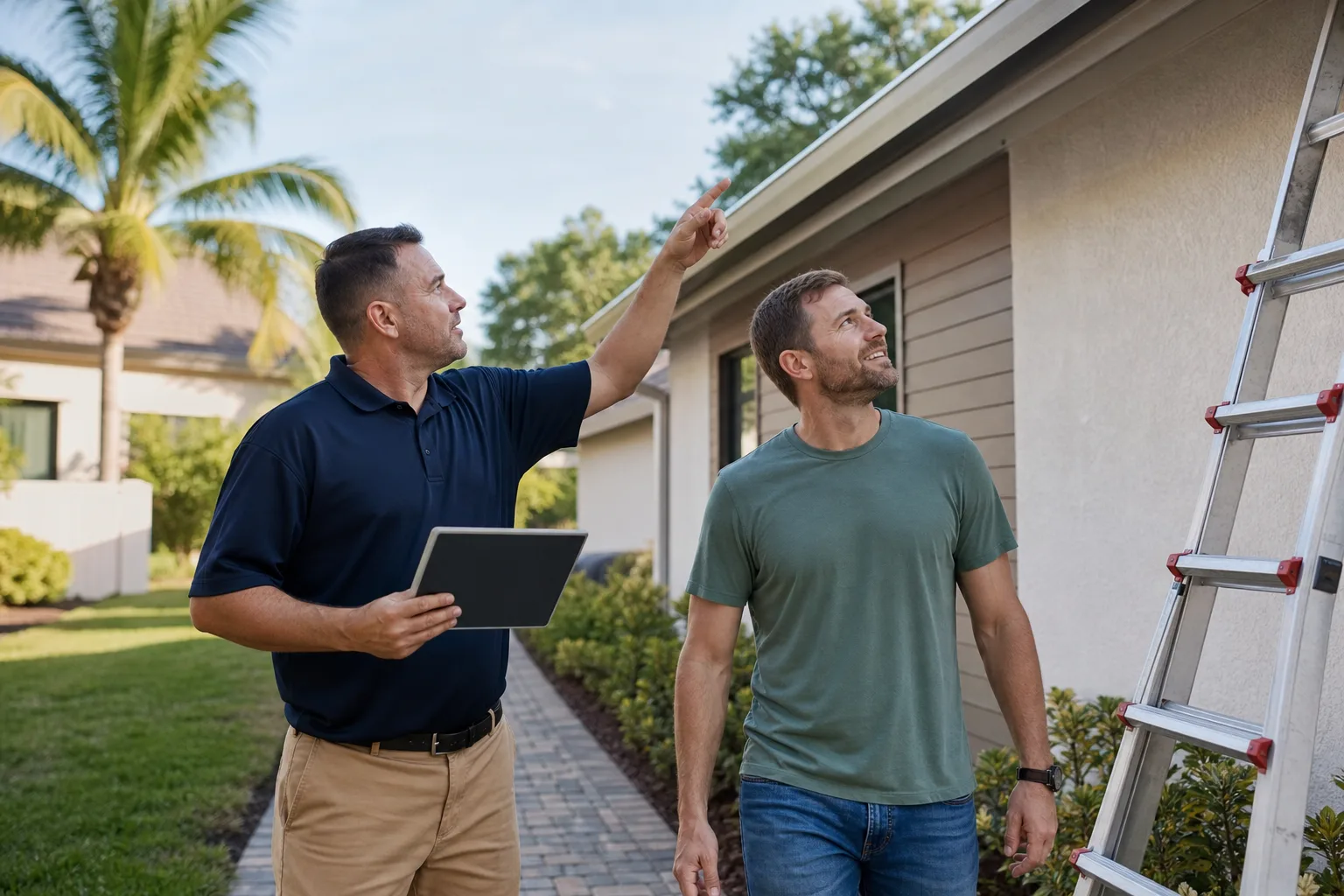
A structural audit isn’t an inspection report you file away. It’s a working list of the joints, openings and connections that fail first in South Florida wind events. Kendale Lakes housing stock spans several decades, and the weak points differ by build era, so the audit starts with knowing what your home was built to resist and what it wasn’t.
Walk the property with this checklist in hand:
- Roof-to-wall connections. Look at the attic where the roof framing meets the top plate. Older homes often rely on toe-nailing alone. Hurricane straps or clips make the difference between losing shingles and losing the roof deck.
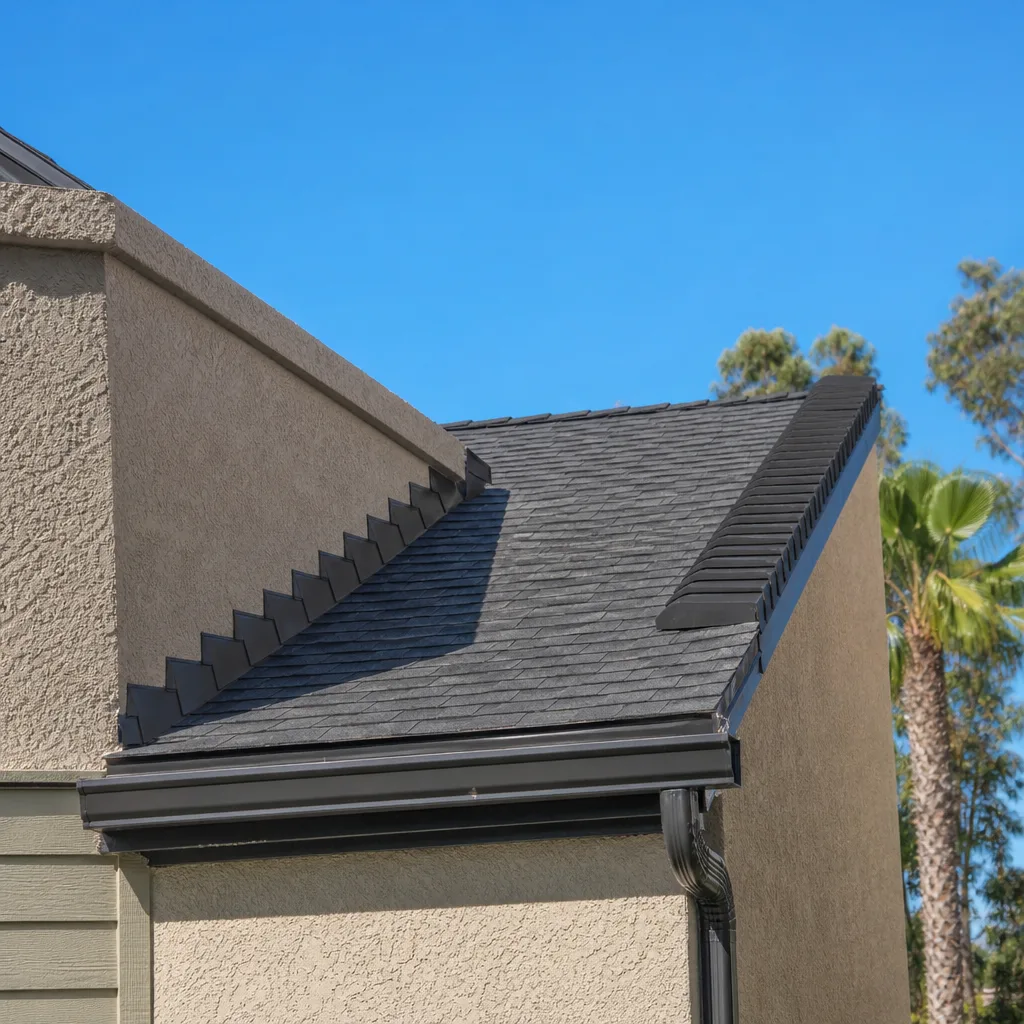
- Roof covering condition. Check for lifted, cracked or missing shingles, and look at the flashing around chimneys, vents and skylights. Granule loss on asphalt shingles signals the end of service life.
- Impact protection. Every window and glazed door should have a plan: impact-rated glass or a tested shutter system. A single unprotected opening can pressurize the house and fail the roof from inside.
- Garage door wind rating. The garage door is the largest opening on most Kendale Lakes homes. Check the label for a wind pressure rating and confirm the vertical and horizontal reinforcement is installed. A door that bows inward lets the wind in and can take the roof with it.
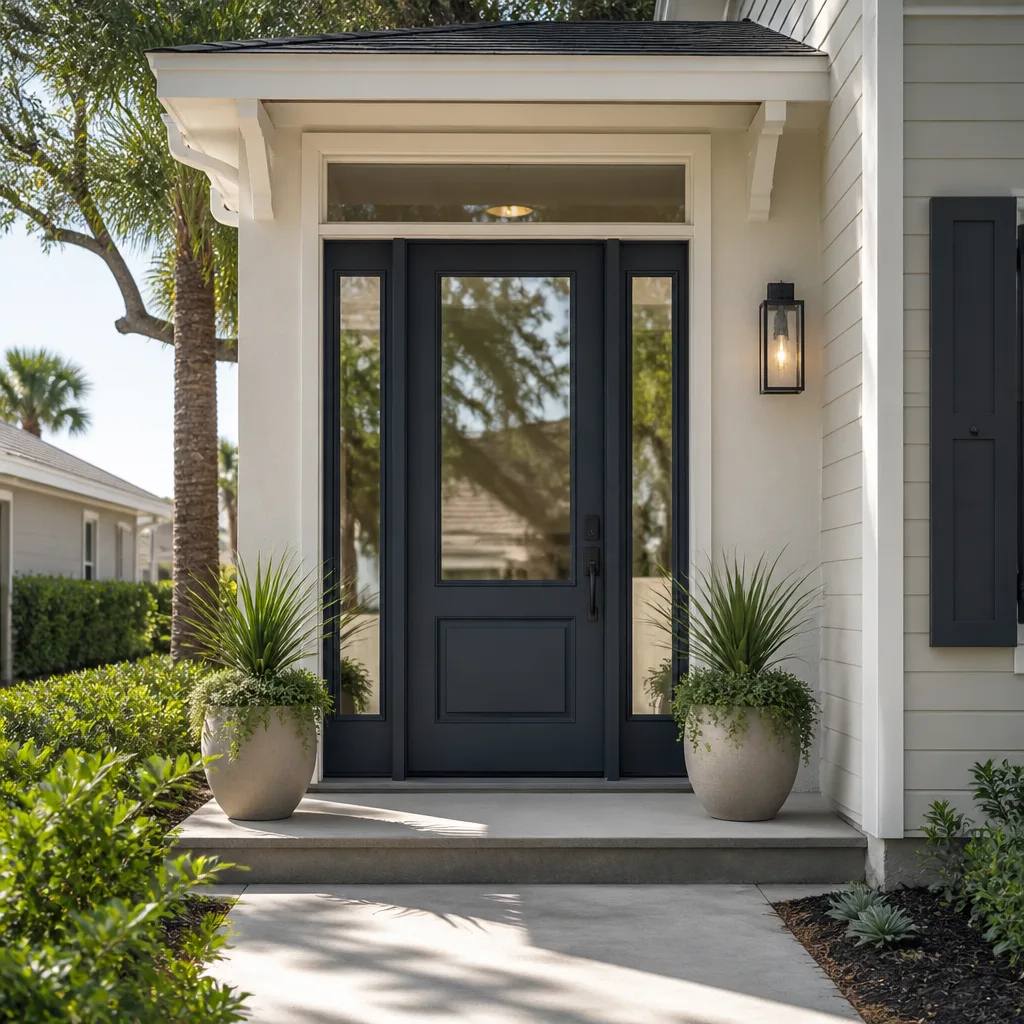
- Entry and patio doors. Check that hinges, deadbolts and strike plates are anchored into framing, not just trim.
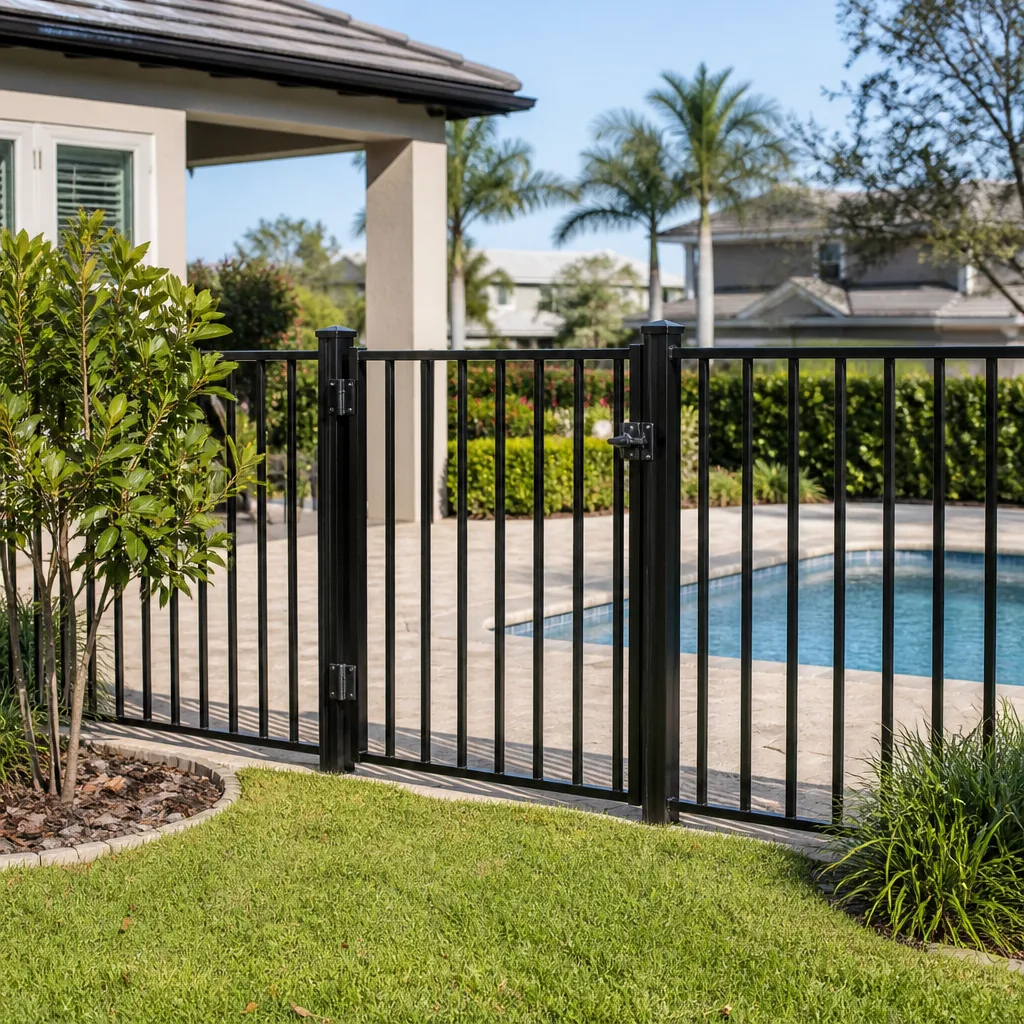
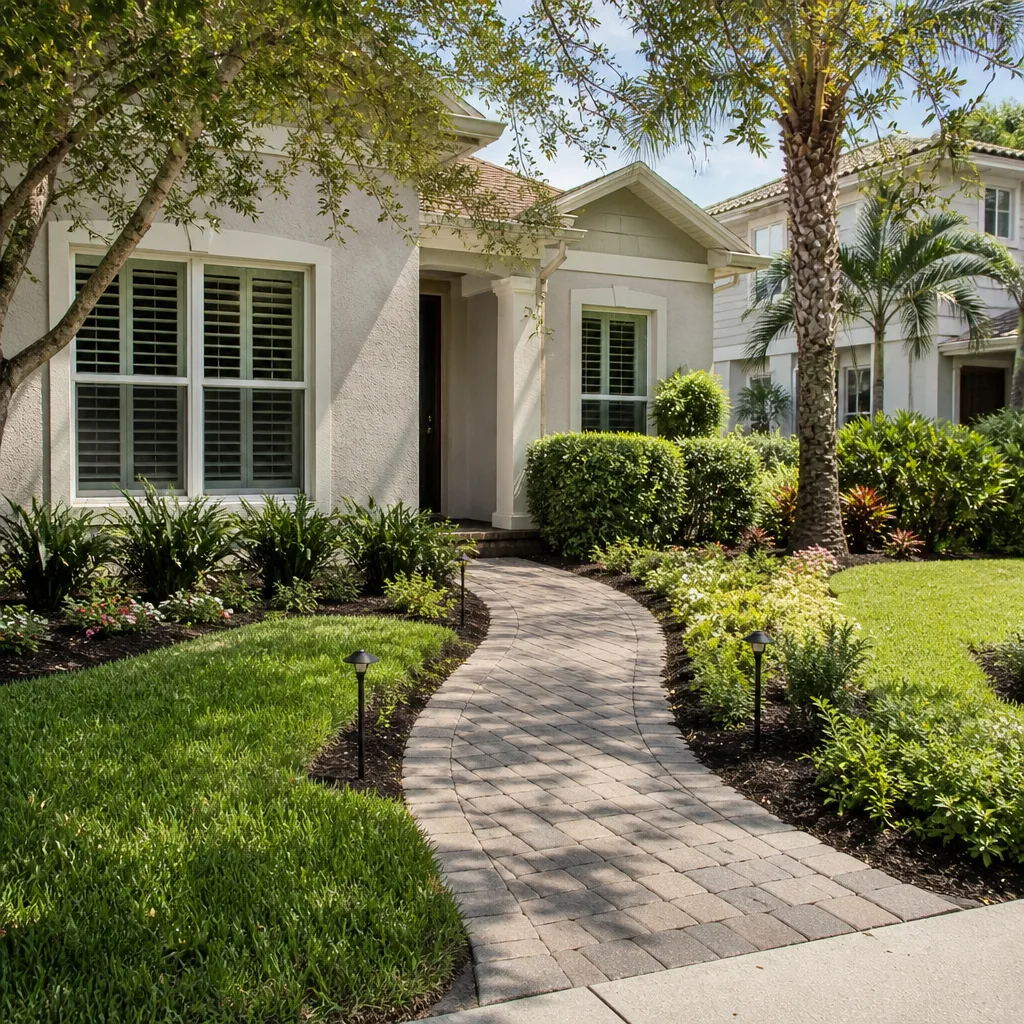
- Fence and hardscape. Loose fence posts and unsettled pavers become projectiles. A pre-season walk with a post driver and a bag of paver sand closes a lot of small gaps.
- Generator tie-in. Confirm whether you have a transfer switch or an inlet box, and whether the connection is sized for your panel. We’ll cover this in detail further down.
If the audit turns up items you can’t resolve with basic maintenance, that’s the moment to get a licensed assessment, not the week before a storm. Our Kendale Lakes Construction team can inspect the structural items and tell you what actually needs work and what can wait.
How to Document Your Home Before Hurricane Season
Adjusters don’t ask for much, but they ask for it in a specific form. The homeowner who has a clean file recovers the claim; the homeowner who has to reconstruct three years of receipts under stress often settles for less than the loss.
Here’s what adjusters actually want on file:
- Dated exterior photos of every elevation. Front, back and both sides, in good light, labeled by month and year. Include the roof if you can safely see it from the ground; drone shots are fine if you own or hire the drone.
- Photos of every window and door opening. Show the frame, sill and any impact rating labels.
- Photos of the roof covering, flashing and gutters. Wide shots plus close-ups of any area that’s already worn.
- Interior room-by-room photos. Include floors, ceilings, cabinets, counters and fixtures. This is the record that supports interior water damage claims.
- Receipts and contracts for every improvement. Roof replacement, windows, kitchen, bath, pavers, fence – any work with a written contract and a brand name on it. Adjusters use these to establish replacement cost.
- The named brand of every material. GAF, CertainTeed, Owens Corning, PGT, CGI, KraftMaid, Cambria, Belgard, Unilock, Bufftech, ActiveYards – the specific brand matters because it sets replacement cost and warranty eligibility. A roof note that says “three-tab” tells an adjuster nothing; a note that says the product line and brand tells them everything.
- A written inventory of personal property. Room by room, with photos and, where you have them, receipts.
- Your policy declarations page and coverage summary. Know your hurricane deductible before you need it.
Store the file in three places: on your phone, in a cloud folder, and on a physical drive that leaves with you if you evacuate. Rebuild the file every spring. It takes an afternoon and pays for itself many times over.
The Order to Call Contractors After a Storm
After a storm event, demand for licensed help outruns supply for weeks. The homeowners who call in the right order get their homes stabilized first. The order below reflects how the work actually sequences.
- Public adjuster or your insurance carrier first. Open the claim before you touch anything you don’t have to. A claims number and adjuster contact get you in the queue.
- Roofing. A tarped or patched roof stops interior water damage. Roofing is almost always the number one licensed call after a storm.
- Windows and doors. Board up broken glazing and get a licensed assessment on any opening that needs replacement. If the opening is compromised, that’s a structural call, not a glass call.
- Fence and hardscape. Loose fence panels and pavers are a hazard. Fence and paver work usually lands behind life-safety and weather-tight calls, so get on the schedule early.
- Interior finish work. Kitchen, bath and drywall come after the envelope is closed and dry. Water trapped behind finish materials causes more damage than the storm.
A contractor who handles multiple categories can sequence these internally. One point of contact from roof to driveway means you’re not the messenger between a roofer, a window supplier and a paving crew when something needs to be resolved. That’s how we structure our driveway & pavers and roofing work: the same project manager owns the handoffs.
How to Spot Unlicensed Storm-Chaser Contractors
After every named storm that touches Miami-Dade, out-of-state crews arrive with magnetic signs and a price that sounds great. Some are legitimate. Many aren’t, and the ones that aren’t leave homeowners with a patched roof, an unsigned contract and a phone number that stops working.
Before you sign anything, verify these:
- License and insurance. Ask for the state license number and the certificate of insurance, and verify both with the state and the insurer. A legitimate contractor expects the question.
- Local address that checks out. A physical address, a phone that rings to a person, and a name you can find in public records. Storm chasers often have none of the three.
- Written scope and written price. Any contractor who won’t put the scope and price in writing before work starts is a red flag, full stop.
- No large deposit paid in cash. Florida law and Miami-Dade consumer rules are strict about deposits and payment schedules. A demand for cash up front is a reason to walk away.
- No insurance-claim shortcut offers. A contractor who offers to “handle the claim” without your involvement is asking to negotiate your settlement for you. You can work with your insurer directly. A contractor can support the process, but the claim is yours.
- Real brand relationships. Contractors who can name their material partners – GAF, CertainTeed, Owens Corning, PGT – are specifying real products. Anonymous bulk materials with no brand on the contract should be a reason to ask questions.
If a storm-chaser came through your neighborhood and you’re not sure about the offer, get a second written estimate before you sign. Our team at Kendale Lakes Construction provides free written estimates so you have a real comparison.
Temporary Repairs You Can Legally Do Yourself
While you wait for licensed availability, you can legally take steps to prevent further damage – but the line between “protecting the property” and “unpermitted work” is worth knowing. Insurance policies usually expect you to mitigate; Miami-Dade permitting expects you not to perform structural or mechanical work without a permit.
What a homeowner can typically do:
- Board up broken windows and doors with plywood or approved panels, from the exterior, to keep water out.
- Place tarps on damaged roof areas as a temporary measure to stop water intrusion. Tarping is not a roofing repair, and it doesn’t replace one.
- Move personal property and furniture away from water intrusion and to a dry part of the house.
- Shut off water at the main valve if a pipe is leaking.
- Shut off electricity at the panel if water has reached outlets or the panel itself – and then stay away from it.
- Remove wet drywall and insulation where that’s necessary to dry the cavity, if you can do it without touching structural framing, electrical, plumbing or gas lines.
What you should not do yourself:
- Any electrical work. Panels, wiring, generators and transfer switches are genuinely dangerous. A mistake can kill. Hire a licensed electrician.
- Any gas line work. Same principle, higher stakes. Only a licensed professional should touch gas piping.
- Roof access above a safe height. A wet, damaged roof is not a place to learn. Fall injuries after storms are common, and they’re preventable.
- Structural framing, roof sheathing replacement or window replacement. These require permits and licensed work in Miami-Dade.
If you’re not sure whether something is temporary mitigation or permitted work, ask before you start. A five-minute call saves a permit headache later. Our phone line is open: call (866) 531-4751.
How Miami-Dade’s Post-Disaster Permit Expediting Works
After a declared disaster, Miami-Dade County often opens an expedited permitting process for storm-related repairs so that roofs and structural repairs can move quickly. The process is real, and it moves faster for homeowners who arrive with the right file.
What accelerates your place in the queue:
- A licensed contractor on the application. The county doesn’t expedite homeowner-performed structural work. The license is the entry ticket.
- A complete scope in the application. Address, parcel number, scope description, material specification, and value. Missing data gets the file kicked back to you, which puts you behind every complete application submitted after yours.
- Photos of damage with timestamps. The file the adjuster uses is also the file the county wants.
- Product specifications. Roofing products, window ratings, garage door wind ratings and any impact protection product need manufacturer documentation. A named product with a spec sheet moves faster than “like-for-like.”
- Signed owner authorization. A notarized or e-signed authorization avoids back-and-forth.
- The right contractor category. Structural repairs, roofing and windows fall in different permit categories. A single contractor who can file under multiple categories saves days of back-and-forth.
Two things to understand about the expedited process. First, it’s not a bypass of inspection – inspections still happen, and work still has to pass. Second, permits pulled properly and inspections passed the first time are the difference between a rebuilt home and a stalled file. The right answer before a storm is to know your contractor’s permit track record, not to hope for the best after.
Generator Tie-In and Backup Power Planning
Backup power comes up constantly in Kendale Lakes after a storm, but the tie-in decision is not one to make in the moment. A portable generator connected through an extension cord is one thing. A generator tied into your home’s electrical panel is electrical work, and it needs a licensed electrician and a permit.
The two paths:
- Portable generator with an inlet box and transfer switch. The transfer switch prevents backfeeding – a serious hazard to utility workers and to your own home. This setup is permitted electrical work.
- Standby generator. A permanently installed unit, sized to the circuits you want to keep live. Requires a permit, a licensed electrician, and in many cases a gas line connection handled by a licensed plumber.
Before the season, know what you want to keep running. Refrigerator and freezer, a few lights, phone charging, medical equipment, and in some homes a well pump or a window AC unit. Size accordingly and get the electrical work done before you need it. A generator sitting in the garage with no legal way to connect it is a generator you can’t use. If you’re not sure whether your panel can support a backup setup, get a licensed assessment. Kendale Lakes Construction doesn’t do the electrical work in-house, but we can connect you with licensed electricians and fold the scope into a larger project plan where it makes sense.
Planning the Rebuild Scope Before You Need It
The best time to think about a rebuild scope is when you have nothing to rebuild. In practice, that means knowing what a repair or replacement would look like if the roof, windows or impact protection had to go in all at once – and knowing how the scoping work combines with planned improvements so you’re not paying for the same mobilization twice.
Category depth matters here. A roofing project is not one decision; it’s a decision across GAF, CertainTeed, Owens Corning, IKO, Atlas and Tamko product lines with different warranties and wind ratings. Window and door selection spans PGT, CGI, ECO Window Systems and Therma-Tru, each with its own impact and energy performance. Cabinets in a rebuild come from KraftMaid and Wellborn. Countertops from Cambria, Silestone or Caesarstone. Pavers and driveway work from Belgard, Unilock, Tremron and Techo-Bloc. Fencing from Bufftech and ActiveYards. Working from a roster of 50+ brands means you’re choosing from real options instead of taking whatever a storm-chaser has on the truck.
There’s also the structural question most finish contractors can’t answer. If the storm damage shows a connection that would have failed anyway, or a room that never quite worked and now needs to be redone, that’s the moment to think about home additions & ADU – permitted, structural work that adds livable square footage and long-term value instead of just restoring what was there. Kendale Lakes homes that go through a rebuild often end up making structural decisions they’d been putting off for years.
Finally, plan the property as a whole. Roof, windows, driveway, fence, kitchen, bath. One contractor with the right license categories and the right brand relationships can scope across all of them – and settle issues internally instead of handing you a phone tree.
Common Mistakes to Avoid
- Waiting for the first named storm to start preparing. Contractors, permit queues and material inventories all tighten at the same time. The pre-season window is much quieter than the pre-landfall window.
- Taping windows instead of protecting them. Taping glass does not stop projectile damage and creates larger shards. Impact-rated glass or tested shutters are the actual protection.
- Skipping the attic and the garage door. Kendale Lakes homeowners often focus on windows and ignore the roof-to-wall connections and the wind-rated garage door. Those are the two openings that matter most in a wind event.
- Documenting after the fact. A file built after the storm is worth a fraction of a file built before it. Photos with timestamps from a pre-storm walk-through are the record adjusters trust.
- Signing with the first door-knocker. Verify the license and insurance before you sign anything. The best-looking yard signs after a storm are often on the least-verified crews.
- Rebuilding to the same spec. If the connection, window or roof covering failed, rebuilding to the same product means it will again. Use the rebuild as the moment to move to a higher wind rating and a documented brand specification.
- Pulling permits on the wrong scope. A permit that lists the wrong scope, wrong value or wrong product gets kicked back and loses your place in the post-disaster queue. Get the scope right the first time.
See the difference
 Before
 After
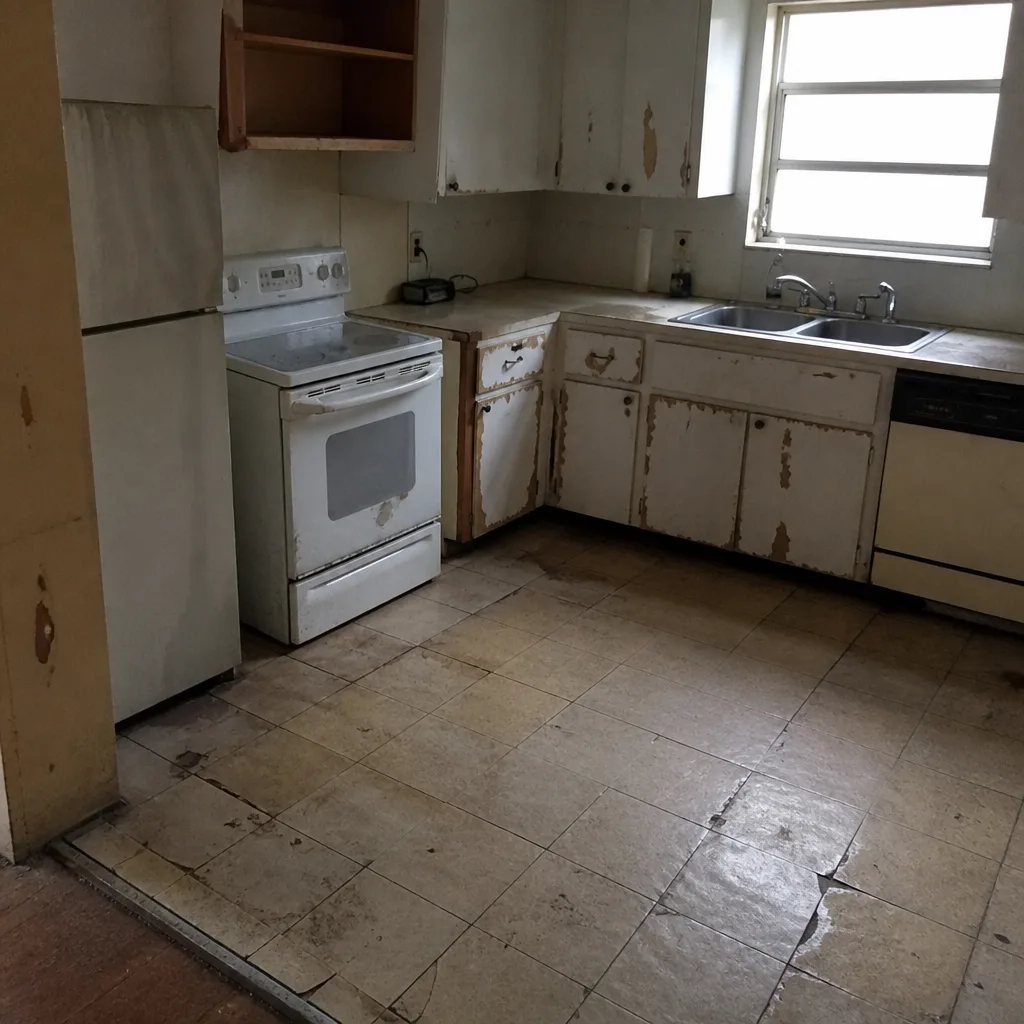 Before
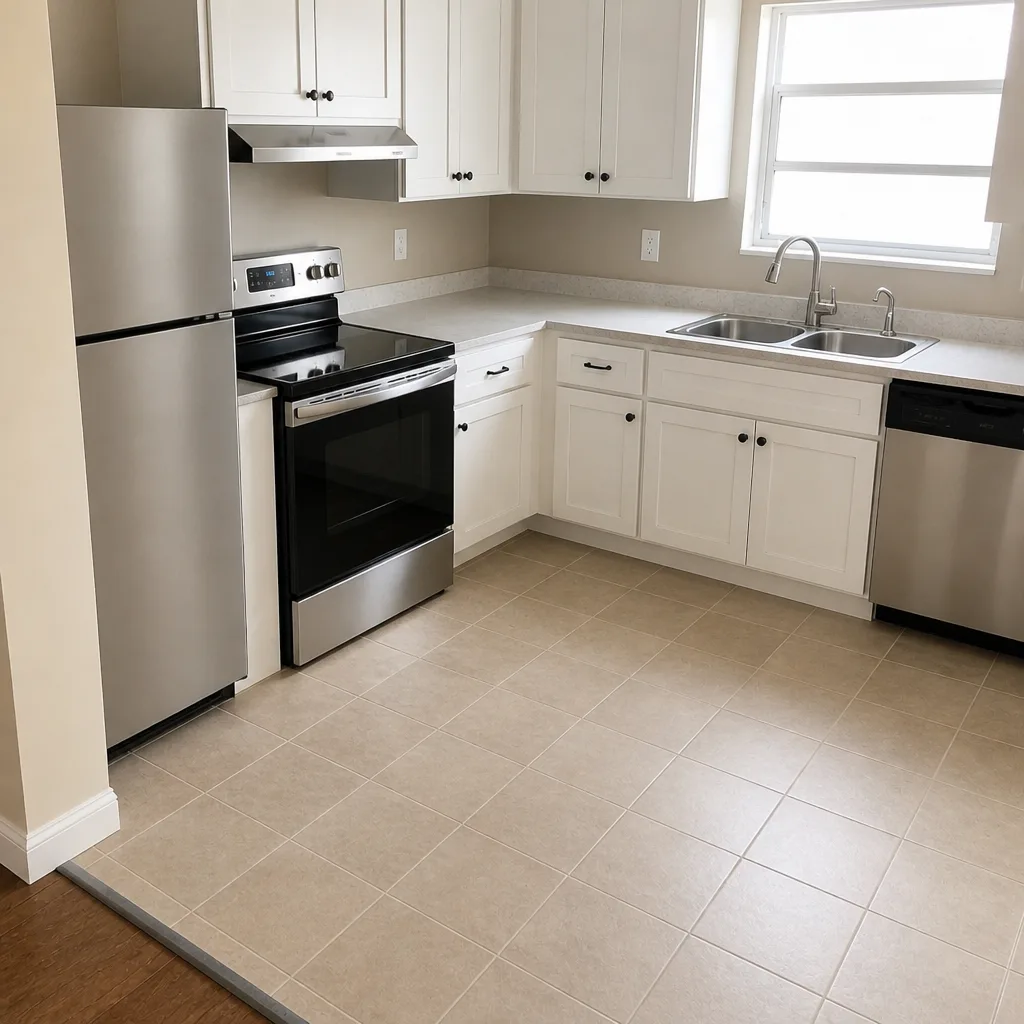 After
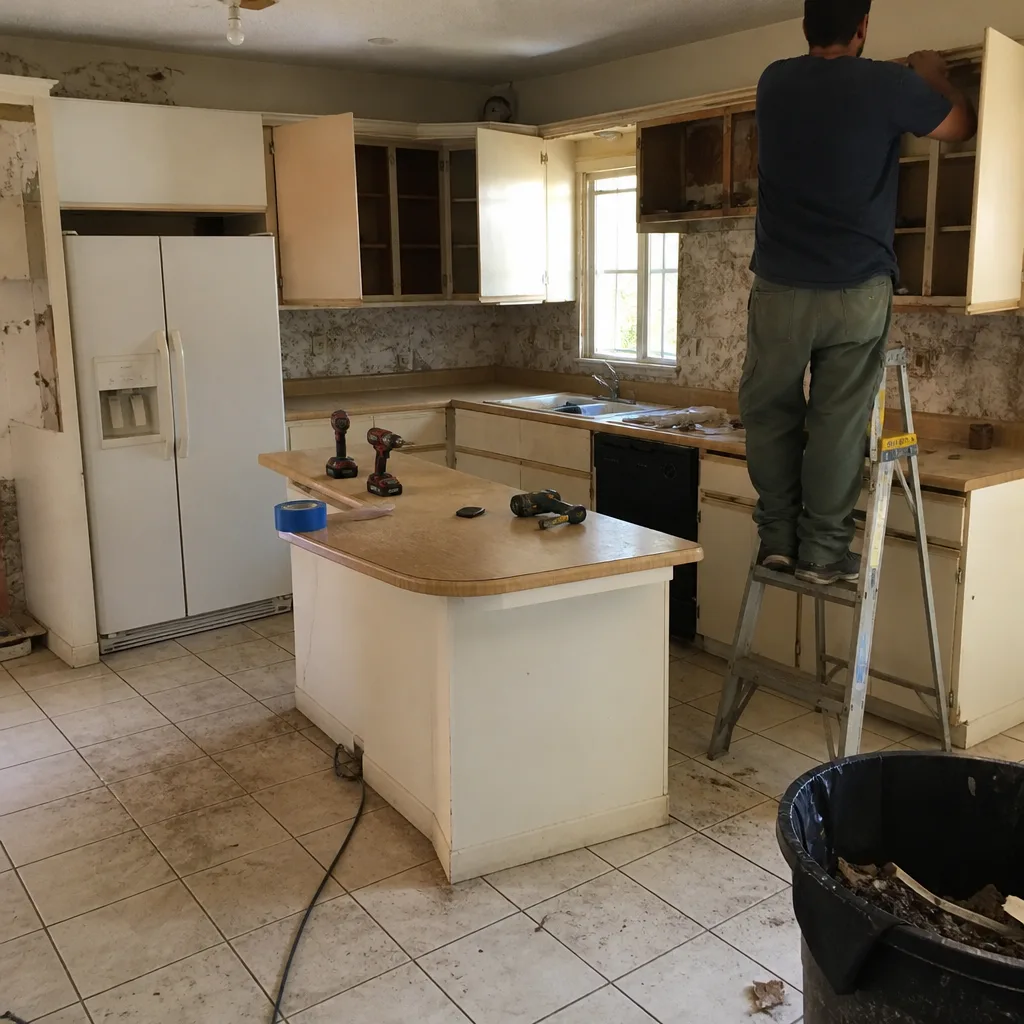 Before
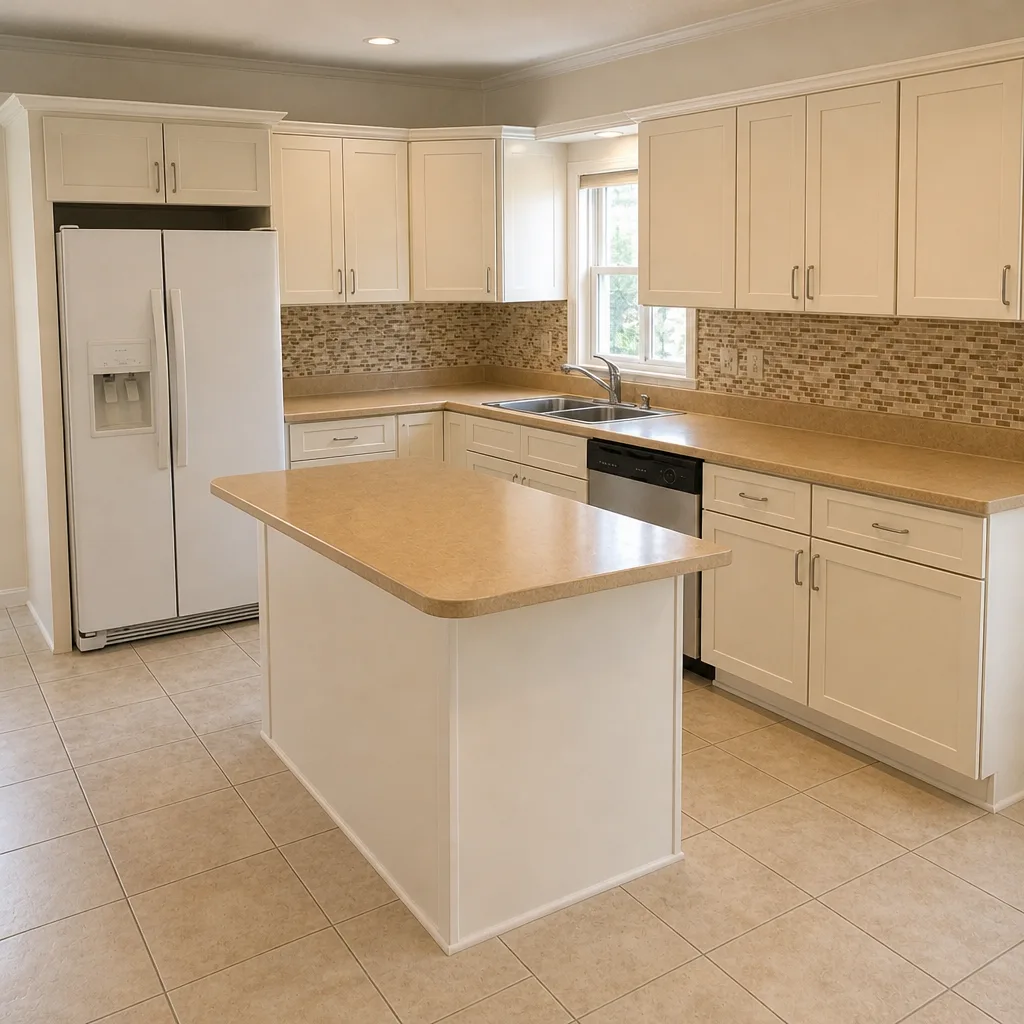 After
When to Call a Professional
Call a licensed professional when a storm-affected item involves structure, electrical, gas, roofing above safe height, or window and door replacement. Call when the roof-to-wall connections need rehabilitation, when the garage door has no wind rating and needs replacement, when impact protection is missing on any opening, when any electrical or gas work is involved in a generator tie-in, and when you’re within 30 days of hurricane season and haven’t done the pre-season audit. Also call when you’re contemplating a rebuild scope and want written estimates to compare against a storm-chaser’s offer. Kendale Lakes Construction offers free estimates in Kendale Lakes. Call (866) 531-4751. We answer 24/7, and fast dispatch runs from 7am to 7pm, Sunday through Friday.
Frequently Asked Questions

Complete a structural audit and build a documentation file. The audit finds the roof-to-wall, garage door and opening weaknesses before they cost you; the documentation file is what you need to recover insurance value if the storm does arrive. Both take hours, not weeks.
You file your own claim, and the claim is yours throughout. A licensed contractor can provide scope, product specifications and documentation to support the claim, but the claim and settlement are between you and your insurer. Work with a contractor who is comfortable operating that way.
It matters a great deal. The garage door is the largest opening on most Kendale Lakes homes. Check the door’s label for a wind pressure rating and confirm the reinforcement hardware is installed. If the door has no rating, plan to replace it before the season rather than the week of landfall.
Yes. A generator connection through a transfer switch or inlet box is electrical work and requires a permit and a licensed electrician. Standby generators may also require a gas connection handled by a licensed plumber. There’s no legal shortcut here, and the shortcut is genuinely dangerous.
That’s often the most efficient path, and one Kendale Lakes Construction handles across our service lines. Combining roof, window and interior work into one scope avoids duplicate mobilization and keeps a single project manager accountable from permit to punch list. It also puts the structural questions in front of the right people early, which is where cost is actually controlled.
Availability varies with demand and the size of the event, so there’s no honest single answer. What helps: opening the claim early, having your documentation file ready, and having a licensed contractor already on your shortlist. Call (866) 531-4751. We answer 24/7, and a call outside dispatch hours is booked into the next opening, Sunday through Friday, 7am to 7pm. Estimates are free.
The Bottom Line
Construction emergencies in Kendale Lakes are hurricane-shaped, and the recovery almost always depends on what was done before the storm. Audit the structure, size the openings, check the garage door rating, plan the generator tie-in, and build the documentation file adjusters actually want. Know the call order after a storm, know how to spot a storm-chaser, and know what Miami-Dade’s expedited permit process rewards. Then get written estimates from licensed contractors who specify real brands and stand behind the scope. That’s the pre-work that changes the outcome. The panic is not a plan.
Ready to schedule a free estimate before the season? Call (866) 531-4751. We answer 24/7. Fast dispatch from 7am to 7pm, Sunday through Friday, and we’re closed Saturday. Our team can walk your property, write a pre-season scope across roofing, windows, impact protection, fence installation, driveway and pavers, kitchen and bath, and structural additions, and give you a written estimate you can compare against. Free estimates, written scope, one point of contact from permit to punch list. Our technicians have up to 10 years of experience and we work with 50+ manufacturer brand partners, so the specification you see on the estimate is the specification you get on the roof. Tell us your project – we’ll build the roadmap.
Written by the team at Kendale Lakes Construction.