Last updated November 17, 2026




Free written scope consultation - allowances, timeline, and change-order rules on paper before a single trade is scheduled
Construction Permits, Codes & Inspections in Kendale Lakes, FL: What You Need to Know
Here’s the mistake that stalls more Kendale Lakes projects than bad weather ever could: homeowners assume Kendale Lakes has its own building department. It doesn’t. Kendale Lakes is an unincorporated community inside Miami-Dade County, which means your permit application goes to the county, not a city hall down the street. File with the wrong jurisdiction and your project can sit in a review queue for weeks before anyone flags the error. This guide walks through who actually reviews your plans, which codes apply, how long reviews and inspections typically take by project type, and what happens when work gets built without a permit.
Quick Answer
Construction permits in Kendale Lakes are issued by Miami-Dade County’s building department because Kendale Lakes is an unincorporated census-designated place, not an incorporated city. Your project is reviewed under the Florida Building Code plus Miami-Dade’s stricter local amendments, particularly for wind and flood resistance. Review and inspection timelines vary by project type, but most residential permits go through plan review, inspections at defined stages, and a final inspection before the certificate of completion is issued.
Styles & brands we work with
- Kitchen remodeling
- Bathroom remodeling
- Home additions & ADU
- Roofing
- Windows & doors
- Driveway & pavers
- Fence
Table of Contents
- Who Actually Issues Your Permit in Kendale Lakes?
- Which Codes Apply: Florida Building Code and Miami-Dade Amendments
- How Long Do Permits and Inspections Take in Kendale Lakes?
- Permit Requirements by Project Type
- How to Track Your Permit Status
- What Happens When Work Is Done Without a Permit
- The Inspection Sequence: What to Expect at Each Stage
- Choosing a Contractor Who Handles Permits Properly
Who Actually Issues Your Permit in Kendale Lakes?
Miami-Dade County’s building department issues construction permits for properties in Kendale Lakes. There is no separate Kendale Lakes building department, no local plan review board, and no city inspector assigned to the neighborhood. That single fact shapes everything else about how permitting works here.
This is different from what a homeowner experiences in an incorporated municipality nearby, where the city runs its own building division, sets its own review calendar, and answers to its own inspection staff. In Kendale Lakes, the buck stops with the county. Here’s what that means in practice:
- Your application goes to the county, not to a local office. If someone tells you they filed with the “Kendale Lakes building department,” you know immediately that something is wrong.
- Plan review happens through the county’s process, which handles residential permits alongside every other unincorporated area in Miami-Dade.
- Inspectors are county inspectors, and the same person who inspects a roof in Kendale Lakes may inspect a roof in another unincorporated community the same week.
- Zoning questions flow through the county, including setbacks, lot coverage, and the rules that govern accessory structures.
For a homeowner in Kendale Lakes, that’s not bad news. The county process is well-documented and trackable online. But it does mean your contractor needs to know the county system cold. A contractor used to filing only with one small city’s building office may stumble on the county’s submittal requirements, electronic filing workflow, and inspection scheduling. When we look at a project in Kendale Lakes, the first question is always the same: is this going to the right jurisdiction, and is the application package complete enough to clear intake without back-and-forth?
If your project is a structural expansion like a room addition or a detached unit, jurisdiction questions get more complex, and it pays to work with a contractor who deals in this every week. You can see the kind of scope that involves on our home additions & ADU page.
Which Codes Apply: Florida Building Code and Miami-Dade Amendments
The Florida Building Code is the base, and Miami-Dade County layers its own amendments on top. Those local amendments are often stricter than state minimums, and they’re the ones that shape how your project actually gets built in Kendale Lakes.
Wind and flood mitigation drive most of the difference. Miami-Dade sits in a high-wind region of Florida, and the county’s code amendments reflect that. In practical terms, this shapes a few things a homeowner should know about:
- Roofing materials and attachment. Roof coverings, underlayments, and fastening methods have to meet the county’s wind requirements, not just the state base code. That’s one reason we lean on manufacturers whose products are specified for this environment – GAF, CertainTeed, and Owens Corning all have product lines built to the standards Miami-Dade applies.
- Opening protection. Windows and doors in high-wind zones are subject to impact and pressure requirements. That’s why our window and door material roster includes PGT, CGI, and ECO Window Systems – brands whose product families are tested and rated for this code environment.
- Flood zone construction. Portions of Kendale Lakes fall in areas where flood-resistant construction rules apply, and those rules can affect elevation, foundation design, and the placement of mechanical equipment. The exact rules depend on the flood zone your property sits in, which is something we check before design work starts.
- Electrical and plumbing. The county adopts its own amendments to the electrical and plumbing codes as well, which affects everything from panel upgrades to how drains are routed in a remodel.
In our experience, most permit setbacks on Miami-Dade jobs don’t come from a contractor trying to cut corners. They come from a plan set that meets the state code but misses a county amendment. A roof plan that doesn’t specify the county-required attachment detail, a window schedule that doesn’t reference the impact rating, a foundation drawing that ignores flood zone requirements – any one of those turns what should be a straightforward review into a revision cycle. The fix is to build the county amendments into the drawings from day one, not to discover them at plan review.
For context on how the county reviews a complex structural project, the permitting depth of an ADU or addition is fundamentally different from a kitchen remodel. If you’re considering either, it’s worth understanding the scope before you start gathering quotes.
How Long Do Permits and Inspections Take in Kendale Lakes?
Review and inspection timelines vary widely by project type, completeness of the application, and county workload at the time you submit. Rather than promise a number we can’t control, here’s a realistic sense of how the timelines break down by category, based on how these projects typically move through the county.
| Project Type | What Typically Drives the Timeline | Complexity |
|---|---|---|
| Roofing (replacement) | Usually a simpler plan review because the scope is well-defined; inspection is a single roof inspection plus final | Lower |
| Kitchen or bath remodel | Depends on whether walls, plumbing, or electrical move; finish-only work is faster than a layout change | Moderate |
| Fence and paver work | Often handled through the county’s simpler permit path; setbacks and easements are the main review focus | Lower |
| Electrical panel or service upgrade | Review of load calculations and code compliance; inspection at rough-in and final | Moderate |
| Home addition | Structural plans, foundation, framing, and wind design all get reviewed together; multiple inspection stages | Higher |
| ADU (detached or attached) | The longest review path because it combines a new structure with site, utility, and zoning questions | Highest |
The pattern that matters most: the more the project touches structure, the more review cycles and inspection stages you’ll see. A roof replacement might clear review quickly and need one inspection, while an ADU moves through zoning review, structural plan review, foundation inspection, framing inspection, and a final. Each stage is a separate appointment in the county’s system.
Two things drive real timeline variance in Kendale Lakes specifically. First, application completeness. An application submitted with all required drawings, product data, and calculations clears intake fast. One submitted with gaps gets returned for corrections, and that return can cost more time than the review itself. Second, the time of year. County workload isn’t static, and a permit submitted during a busy period waits longer than one submitted when review queues are shorter.
What we tell homeowners is simple: expect the permitting phase to be a real part of your project schedule, not a formality squeezed into a week. The written estimate should reflect the scope of permitted work, and the schedule should account for review time. Anyone who promises you a fixed completion date without accounting for permit review is guessing.
Permit Requirements by Project Type
Not every improvement needs a permit, and knowing the difference saves you weeks. Here’s how the most common Kendale Lakes projects break down.
Roofing
A full roof replacement requires a permit. The plan set includes the roof covering specification, underlayment, and the attachment details that meet the county’s wind requirements. Small repairs may fall under repair allowances, but a replacement never does. When the permit closes, the final roof inspection confirms the installed system matches the approved plans.
Kitchen and Bathroom Remodels
Whether you need a permit depends on scope. Cosmetic work – paint, cabinet fronts, countertop swap – generally doesn’t require one. Moving plumbing, adding electrical circuits, relocating walls, or changing a ventilation layout does. In Miami-Dade, a permitted kitchen remodel typically includes cabinet installation tied to electrical and plumbing rough-ins, and the final inspection confirms those systems meet code. If you’re weighing materials during planning, our Kendale Lakes Construction team can walk you through brands built for the climate here, including KraftMaid cabinetry and Cambria quartz surfaces.
Home Additions
Any addition that expands the building footprint or livable area requires a permit, and it’s one of the more involved residential permit types. Plans include structural engineering for the new framing, foundation design, roof tie-in details, and updated wind design. The inspection sequence covers foundation, framing, and final.
ADUs
An accessory dwelling unit – detached or attached – requires a permit and often triggers additional zoning review for setbacks, lot coverage, and utility connections. Because it’s effectively a new dwelling, the review covers the same categories a new house would. This is where working with a contractor experienced in permitted structural work matters, since a finish contractor can’t legally carry this kind of project.
Electrical and Plumbing
Panel changes, service upgrades, new circuits, and significant plumbing work all require permits. These are among the highest-stakes permits to skip, because unpermitted electrical work creates a real safety problem. The inspection covers rough-in and final, and the county inspector verifies panel labeling and code compliance.
Fences and Pavers
Fence installation and paver work often require a permit, especially when the work touches property lines or right-of-way. Setbacks and easements are the main review focus, and it’s worth confirming whether your specific project needs one before starting. Our fence installation and driveway & pavers work both go through this review when a permit is required.
How to Track Your Permit Status
Miami-Dade County provides an online permit search where homeowners can check status, review comments, and see scheduled inspections. The county’s portal is public, so you don’t need to be the contractor to look up your permit.
Here’s a short workflow for staying ahead of your own project:
- Get the permit number. Ask your contractor for the permit number as soon as the application is filed. It’s your key to the entire system.
- Check the portal weekly. Review status, any comments from plan review, and whether the application is awaiting a response.
- Read the review comments. If the county returned the plan set with corrections, you’ll see them in the portal. It’s fair to ask your contractor what was flagged and how it’s being resolved.
- Track inspection scheduling. Portal status shows when an inspection is requested, scheduled, and completed.
- Keep the final. The final inspection and the certificate of completion are the documents that matter at resale. Print them and keep them with your home records.
The biggest tracking mistake we see is homeowners assuming silence means progress. A plan set sitting with a correction held for response doesn’t move until someone responds. Checking weekly is the difference between catching a delay early and finding it a month later.
What Happens When Work Is Done Without a Permit
Unpermitted work is a problem that follows a property, not just a contractor. When you sell a home in Kendale Lakes, an inspection or title review can flag work done without a permit, and the buyer’s lender may refuse to fund the sale until it’s resolved. That’s a real cost, and it lands on the seller.
Miami-Dade’s after-the-fact permitting process – sometimes called a permit for existing work – allows a homeowner to legalize unpermitted construction. The process typically involves:
- Applying for a permit that describes the existing work, not the future work. The application treats the completed construction as the scope.
- Submitting drawings and documentation that show what was actually built. If original plans aren’t available, the drawings are reconstructed.
- Plan review, which may require corrections to bring the work into code compliance.
- Inspections. The county inspector examines the existing work, and where it doesn’t meet code, the homeowner is responsible for correcting it.
- Permitting the corrections if the inspector finds code deficiencies that must be fixed before the work can be approved.
The honest reality: after-the-fact permitting works, and it happens in this county regularly on work from decades ago. But it’s usually more expensive and slower than permitting the work upfront, because you’re paying for inspection and often for corrections you didn’t budget for. On a resale timeline, that’s a headache no seller wants.
If you’re buying a home in Kendale Lakes and you’re unsure whether the improvements you see were permitted, ask your title company to check permit history. It’s a step that costs little and saves a lot.
The Inspection Sequence: What to Expect at Each Stage
Once your permit is issued, the work moves through a defined inspection sequence. Each inspection has to pass before the next stage, and you can track each one through the county portal.
For a typical residential addition or ADU in Kendale Lakes, the sequence runs roughly like this:
- Foundation inspection. The inspector confirms footings, reinforcement, and the soil or slab preparation match the approved drawings.
- Framing inspection. Structural framing, connections, and the wind-load details are checked before the walls close up.
- Rough-in inspections for electrical and plumbing. Wiring, panel placement, and plumbing lines are inspected while they’re still exposed.
- Insulation and lath inspection. Insulation values and the assembly are checked before drywall.
- Final inspection. The finished work is checked against the approved plans, and any changes need to be documented with an approved revision.
- Certificate of completion. The county issues the final document that confirms the permitted work is complete and compliant.
For a roof replacement, the sequence is shorter – typically a roof inspection and a final. For a minor kitchen remodel, the sequence might involve rough-in electrical, rough-in plumbing, and a final.
Two habits make the inspection process go smoothly. First, request inspections on time. A framing inspection requested after the walls are closed creates a rework problem. Second, keep the approved drawings on-site. When a county inspector asks a question, the approved plan is the answer. In our experience, most inspection issues trace to one of those two things, not to the quality of the work itself.
Our technicians have up to 10 years of experience working through county inspection sequences, and we plan for inspection scheduling from the start of every project rather than treating it as an afterthought.
Choosing a Contractor Who Handles Permits Properly
The single most useful question to ask a contractor in Kendale Lakes is: “Which jurisdiction do you file with, and what’s your process for handling county plan review?” A clean answer signals a contractor who files here regularly. A vague one signals a contractor who will learn the process on your project.
Here’s what to look for when you evaluate anyone submitting a permit for your Kendale Lakes home:
- Correct jurisdiction, from day one. They file with Miami-Dade County. They know there’s no city building department for Kendale Lakes.
- Plan sets built for the county code, not the state minimum. The drawings should reference the wind and flood amendments the county applies.
- A written estimate that accounts for permitted scope. The estimate should reflect the work that requires a permit, not just what’s easy to quote.
- Regular portal checks and updates. A contractor who checks the county portal weekly and calls you with any correction is a contractor who respects your timeline.
- One point of contact from permit to punch list. When a project spans structure and finish, a single accountable contractor handles the gaps between trades rather than leaving you to coordinate between a roofer, a remodeler, and a paving crew. That’s the way we’re set up.
- Named materials, specified to spec. When you’re choosing cabinetry or countertops, a contractor who offers real brand choices – KraftMaid and Wellborn cabinets, Cambria and Silestone surfaces – can align the finish scope with the permitted scope rather than defaulting to whatever’s easiest to source.
We handle structural and finish work across roofing, windows, kitchens, baths, additions, and hardscape, so the permit scope and the finish scope get planned together. That matters most on projects that touch multiple trades, where a permit correction on one discipline can cascade into another.
Common Mistakes to Avoid
- Filing with the wrong jurisdiction. Assuming Kendale Lakes has its own building department means your application can sit in the wrong review queue for weeks. Confirm which department actually handles your project before submission.
- Submitting a plan set that meets the state code but misses county amendments. A roof plan without the county wind attachment detail, or a window schedule without the impact rating, gets returned. Build the amendments into the drawings from the start.
- Starting work before the permit is issued. It’s tempting when the schedule is tight, but unpermitted work creates a resale problem that costs far more to fix than the permit saves.
- Skipping the final inspection. The final and certificate of completion are the documents a future buyer’s lender will ask for. A permit left open can hold up a closing.
- Not checking permit history before buying. When you buy a home in Kendale Lakes, a permit history check through the title company costs little and reveals whether the improvements you see were permitted.
- Letting the plan set sit after a correction. A county correction held for response doesn’t move on its own. If the portal shows a “corrections required” status and no response, the project stalls.
- Coordinating multiple contractors without a permit lead. When a roof, a remodel, and a paving job all touch the same project, someone has to own the permit scope and the inspection sequence. Without a lead, gaps between trades become your problem.
See the difference
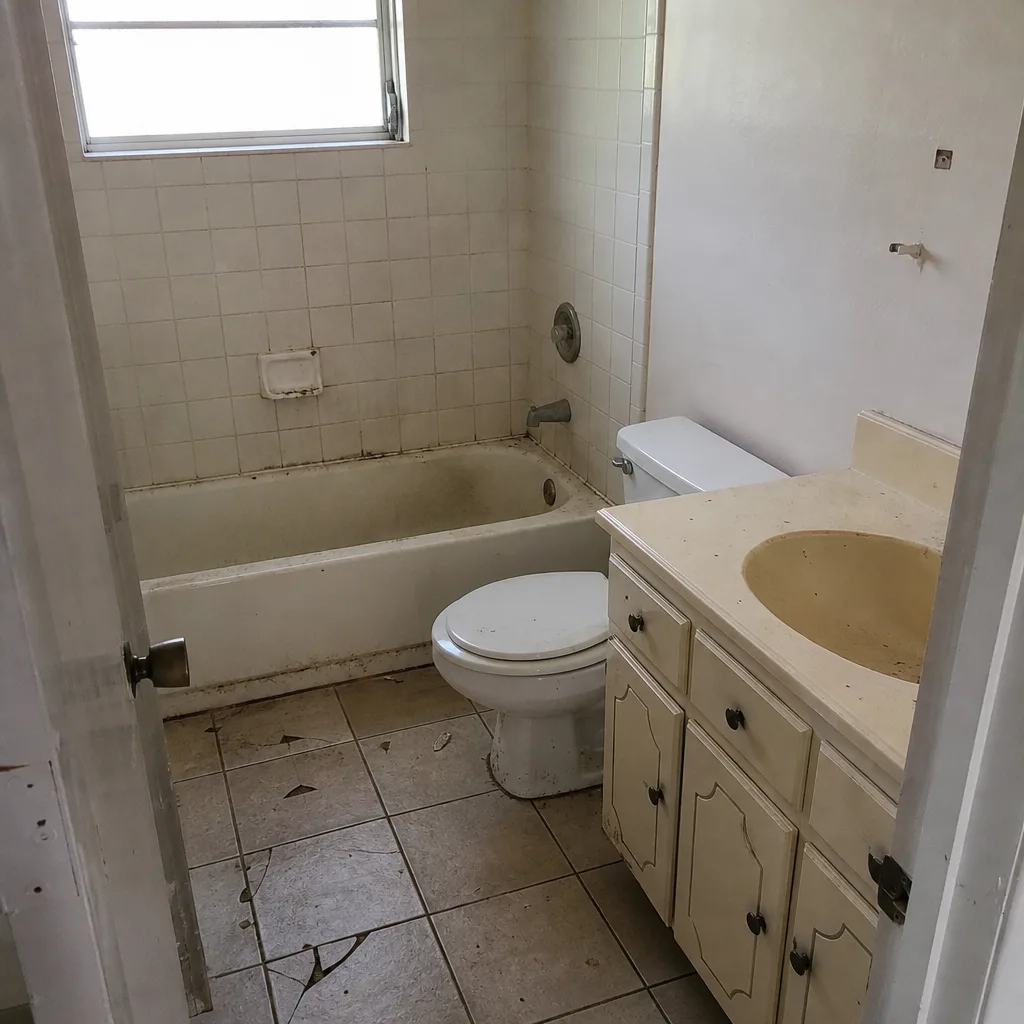 Before
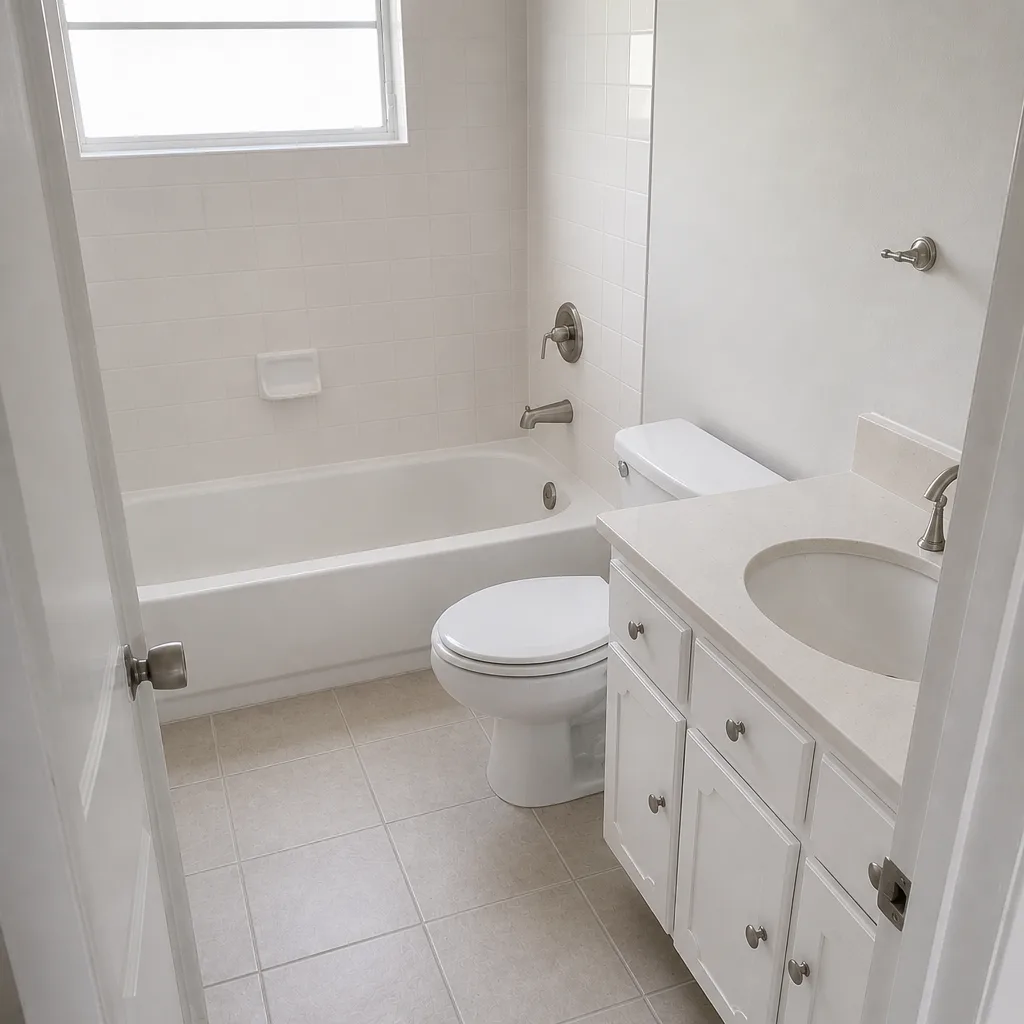 After
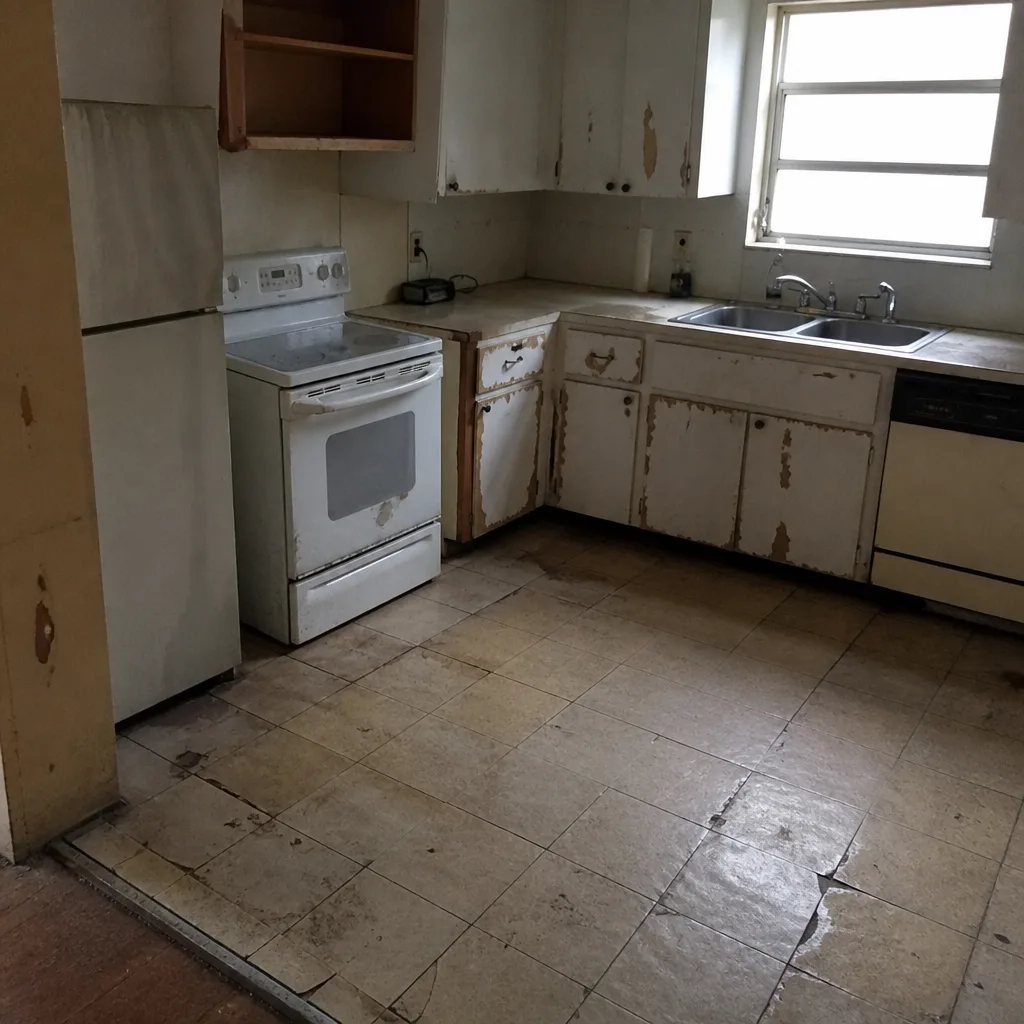 Before
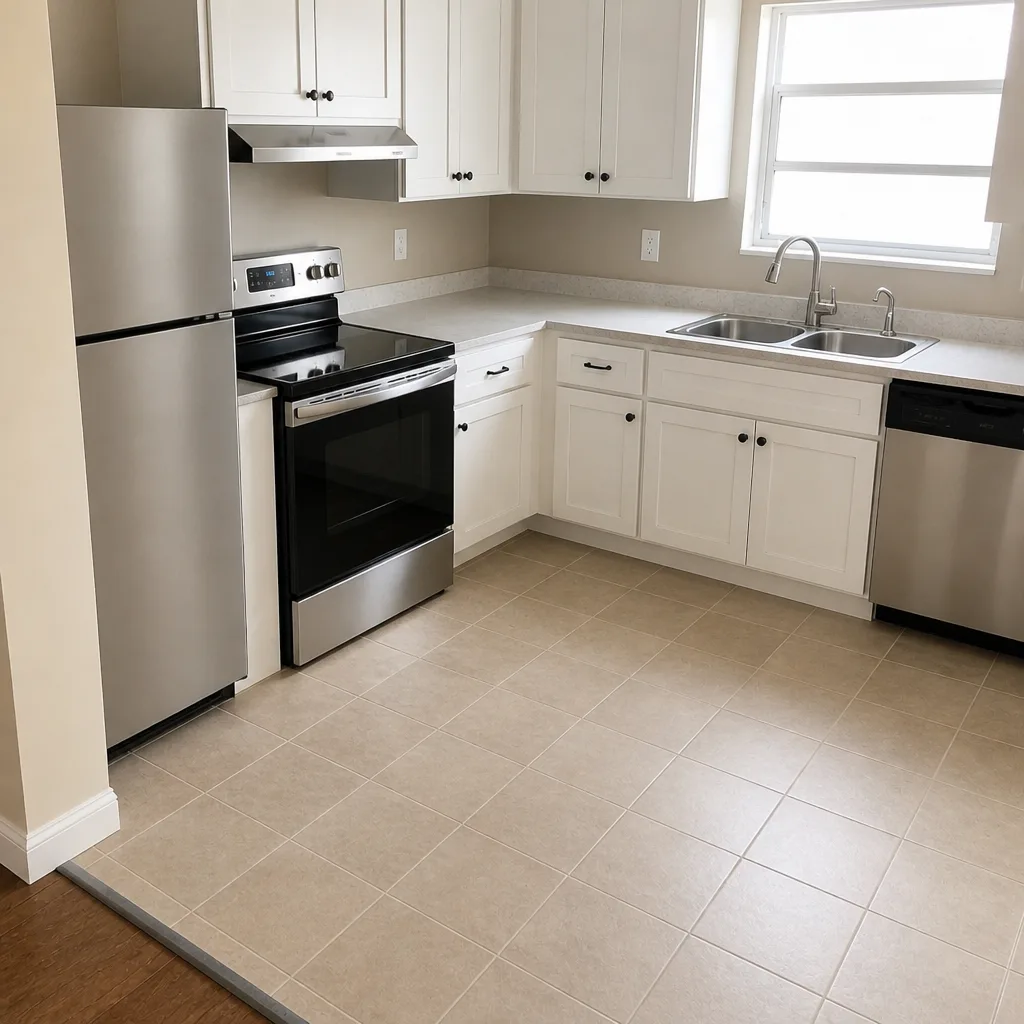 After
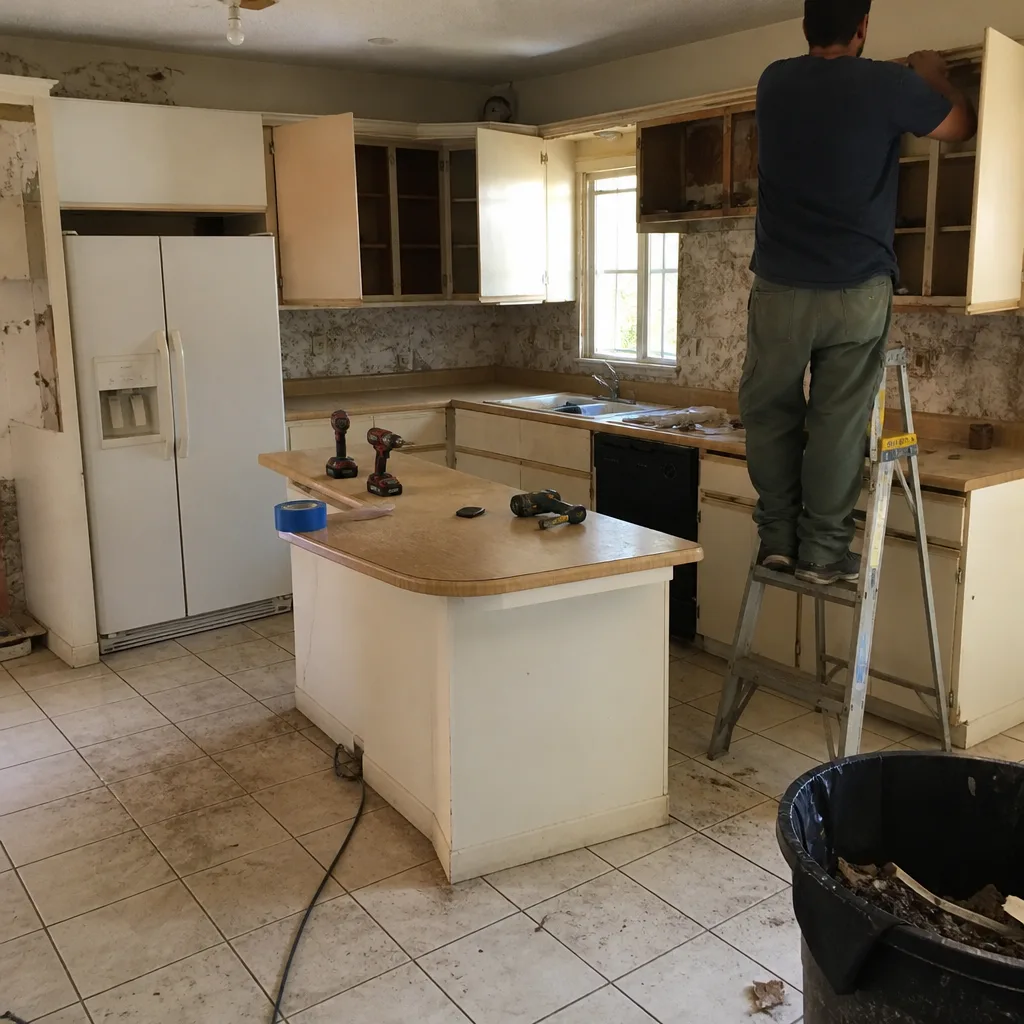 Before
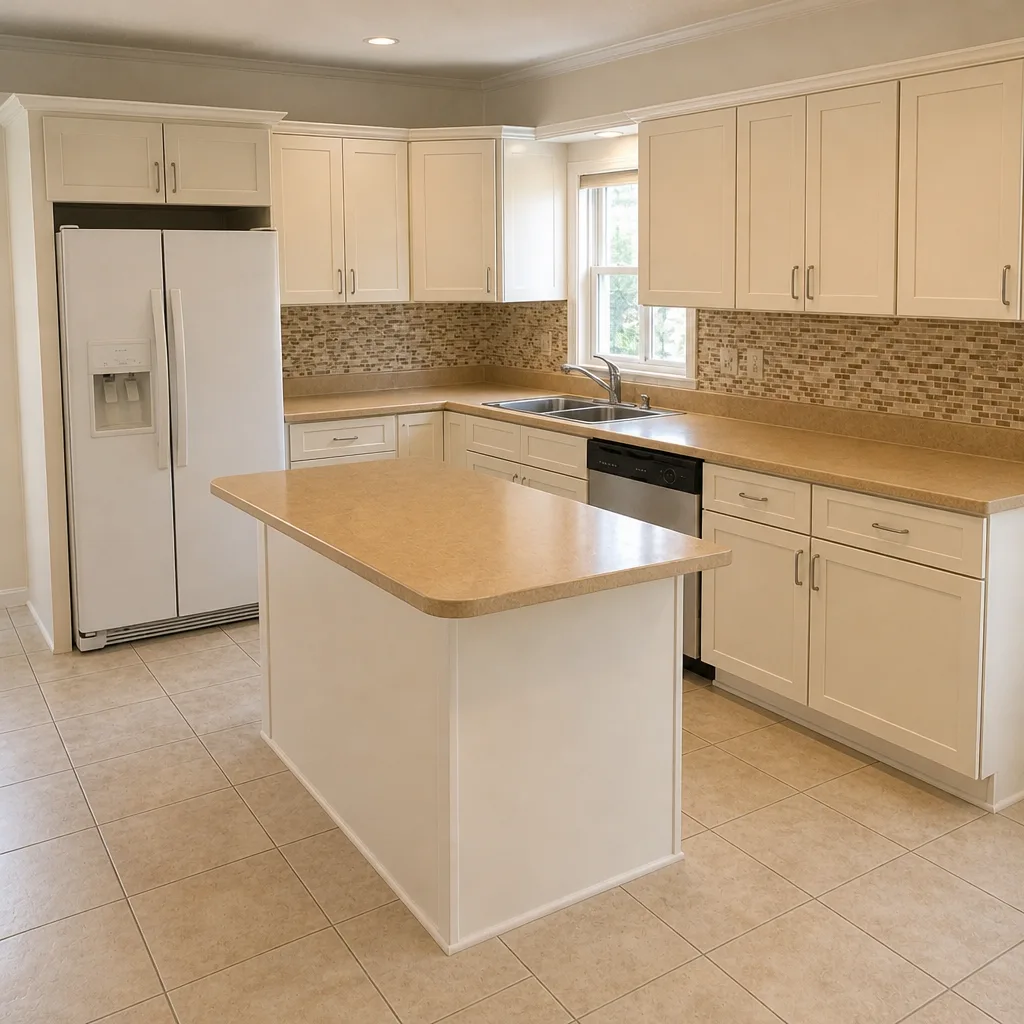 After
When to Call a Professional
Call a professional before you submit a permit application, not after plan review sends it back. That’s true for a roof replacement where the wind details matter, a kitchen remodel where walls or plumbing will move, and every addition or ADU, where the structural review and the inspection sequence are too complex to navigate without a contractor who does this routinely.
Call us when you’re weighing a project and want to understand the realistic permit path before you commit, or when you’re buying a home and want to understand what an unpermitted improvement will take to legalize. Kendale Lakes Construction offers free estimates in Kendale Lakes – call (866) 531-4751. We answer 24/7. Fast dispatch from 7am to 7pm, Sunday through Friday. Our estimates are free and the price is set per job by the written estimate.
Frequently Asked Questions
No. Kendale Lakes is an unincorporated community in Miami-Dade County, so construction permits are issued by the county, not a local city building department. Filing correctly with Miami-Dade matters because submitting to the wrong jurisdiction can delay your review significantly. Call (866) 531-4751 for an exact quote – estimates are free.
The Florida Building Code is the base code, and Miami-Dade County adopts local amendments that are stricter, particularly for wind and flood mitigation. Roofing attachment, opening protection, and flood zones all reflect those county amendments. A plan set built for the state minimum can fail county review. Call (866) 531-4751 to discuss your project’s code path – estimates are free.
Timelines vary by project type, application completeness, and county workload at the time of submission. A roof replacement usually moves through faster than a home addition or ADU, which involves more review categories and more inspection stages. Filing a complete application is the biggest factor you can control. Call (866) 531-4751 for an exact quote on your project – estimates are free.
The written estimate sets the price for the scope it describes. Changes happen when the scope changes – for example, when an inspection reveals existing work that needs correcting, or when you add work to the project. A good estimate is clear about what’s included and what would constitute a change. Call (866) 531-4751 to schedule your free estimate.
Yes. Permitted, structural scope is a core part of what we handle, and permits are pulled with the correct county jurisdiction before work begins. That includes the plan sets, inspection scheduling, and the final. If a project requires no permit, we say so in writing. Call (866) 531-4751 to schedule your free estimate.
You can list it, but unpermitted work can stall a closing when a buyer’s lender or inspector flags it. Miami-Dade’s after-the-fact permitting process allows you to legalize existing work, though it usually costs more than permitting upfront. It’s worth addressing before you list. Call (866) 531-4751 for an exact quote on the scope – estimates are free.
The Bottom Line
Kendale Lakes homeowners are governed by Miami-Dade County’s building department, and every part of the permit process follows from that fact. The Florida Building Code plus the county’s wind and flood amendments determines what your plans need to show. The project type determines your review timeline and inspection sequence. The application completeness determines whether review moves or stalls. And the paper trail – the permit number, the portal status, the final inspection, the certificate of completion – is what protects your home’s value at resale. If you keep one thing from this guide, keep the jurisdiction question. Everything else follows from getting it right from the start.
If you’re planning a project and want to understand the permit path before you commit, we can map it out. Call (866) 531-4751 to schedule your free estimate. We answer 24/7. Fast dispatch from 7am to 7pm, Sunday through Friday.
Written by the team at Kendale Lakes Construction.