Last updated November 17, 2026



Free written scope consultation - allowances, timeline, and change-order rules on paper before a single trade is scheduled
The Complete Driveway & Pavers Guide for Kendale Lakes Homeowners
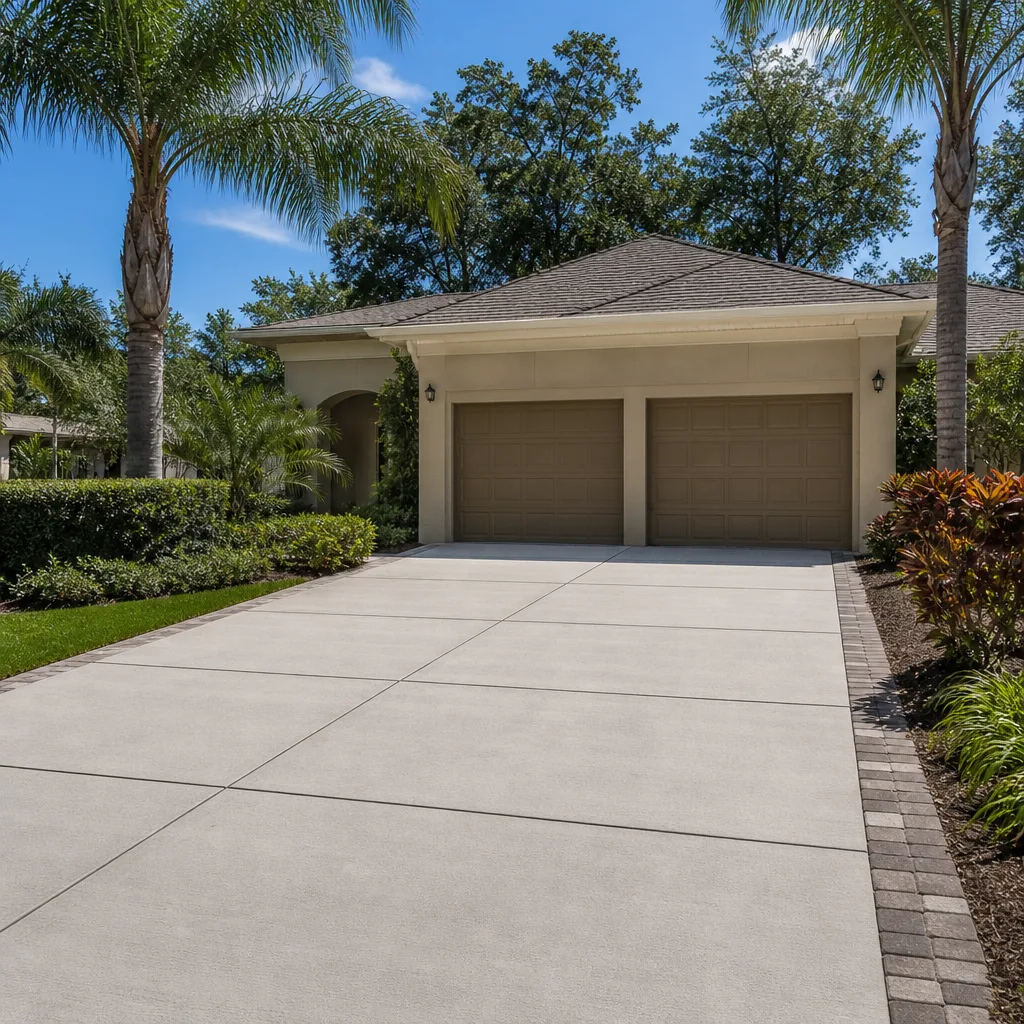
Most driveway failures in South Florida start six inches below the surface, not at the paver itself. That’s the part most homeowners never see. They compare samples in a showroom, pick a color and a shape, and assume the hard work is done. Then two rainy seasons pass and the edges sink, water pools against the garage, and joints start to rut. The paver wasn’t the problem. The base course was. This guide is written for Kendale Lakes homeowners who want to get this right the first time: how the ground under your driveway actually behaves here, which materials hold up and which fight the climate, what the county expects from a driveway replacement, and how to spec the details that keep a driveway flat and stable for years. We’ll walk through base depth, drainage, material comparisons, permits, joint sand, sealing, and HOA rules.
Quick Answer
A driveway in Kendale Lakes is best built as an engineered system, not a surface: a compacted base sized for our high water table and limestone substrate, a drainage layer that moves water away from the house, and a paver material (concrete, travertine, or brick) chosen for UV exposure, thermal movement, and long-term stability. Skipping the base work is what causes settling, ruts, and pooling. The paver type matters, but the construction under it matters more.
Styles & brands we work with
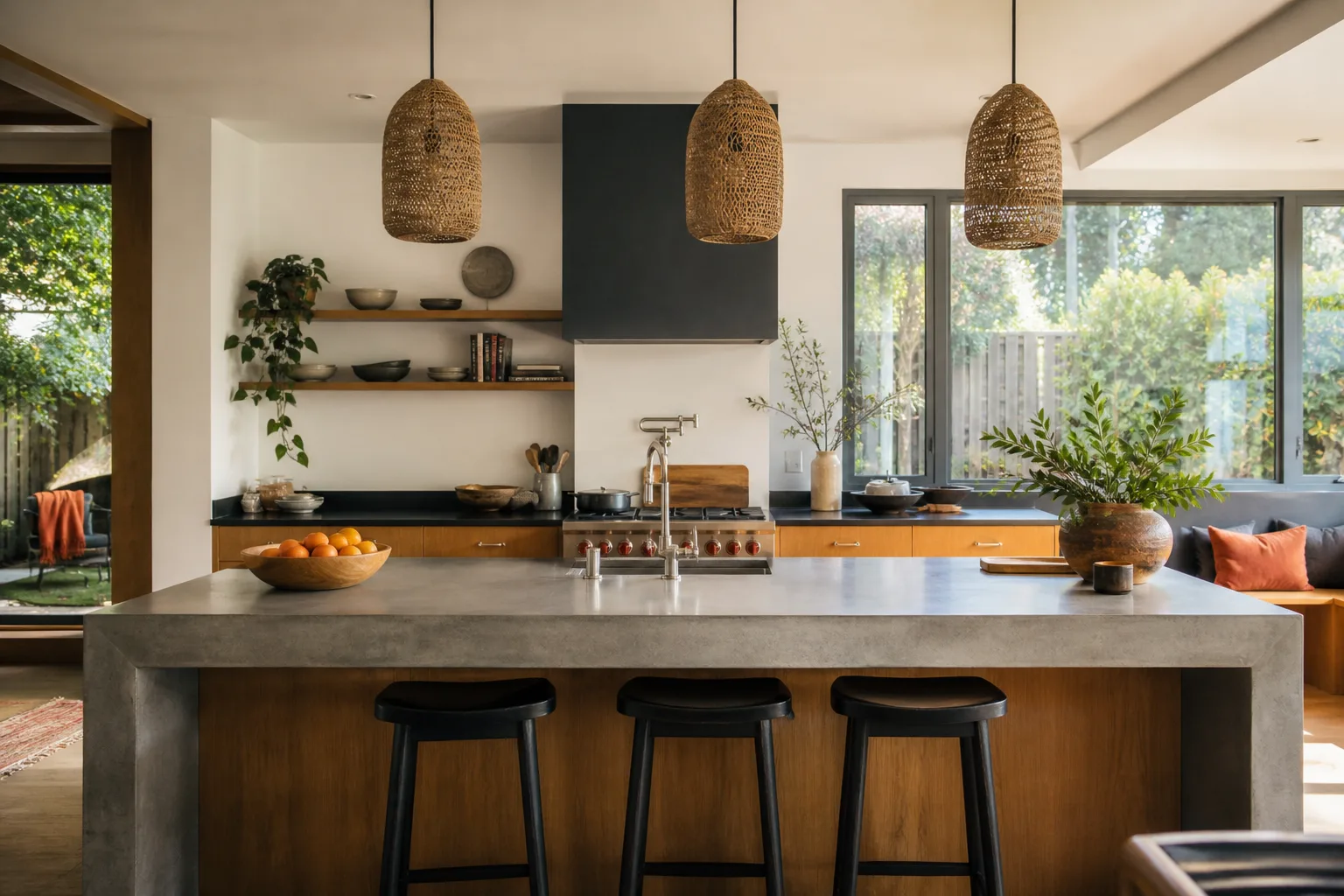
- Kitchen remodeling
- Bathroom remodeling
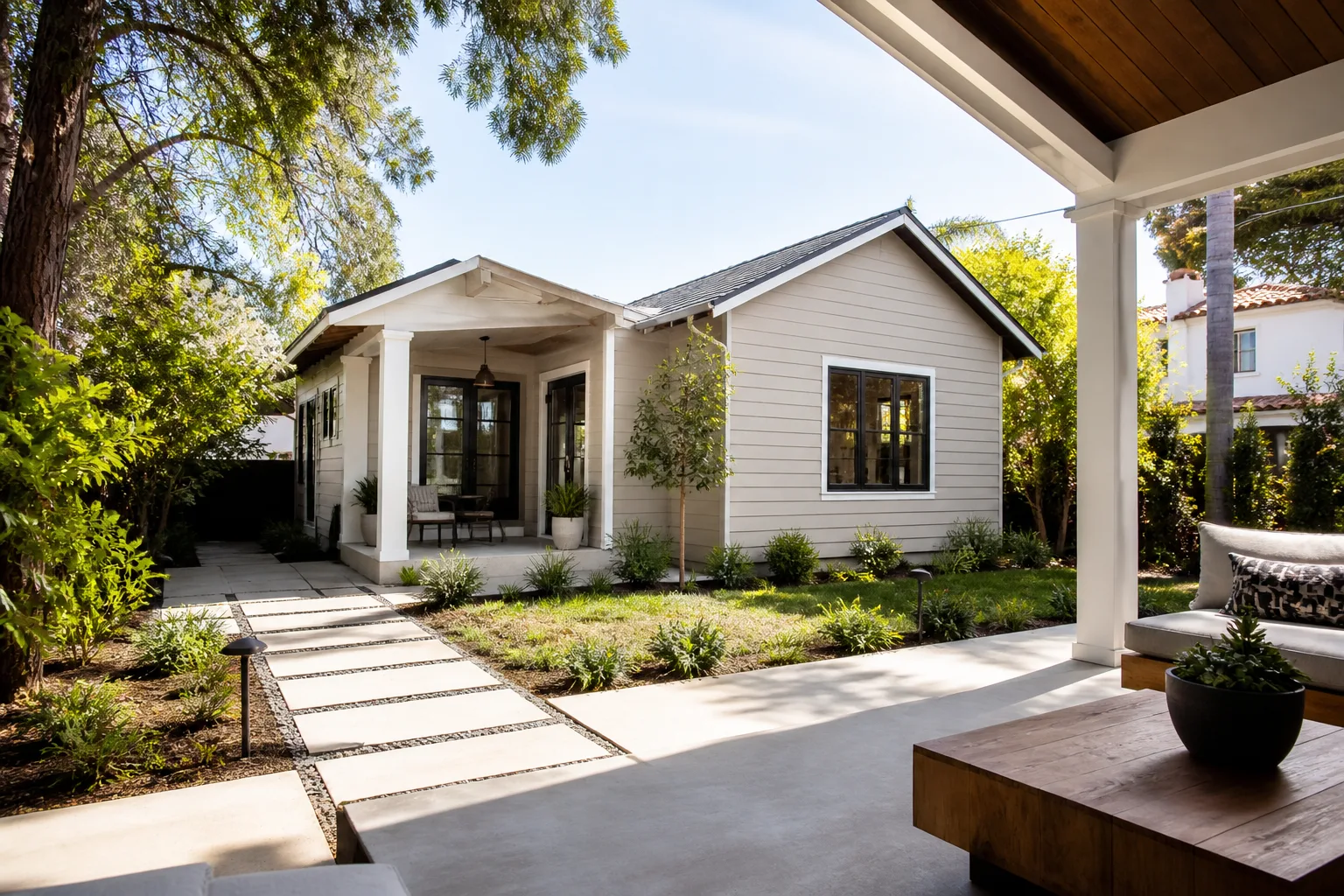
- Home additions & ADU
- Roofing
- Windows & doors
- Driveway & pavers
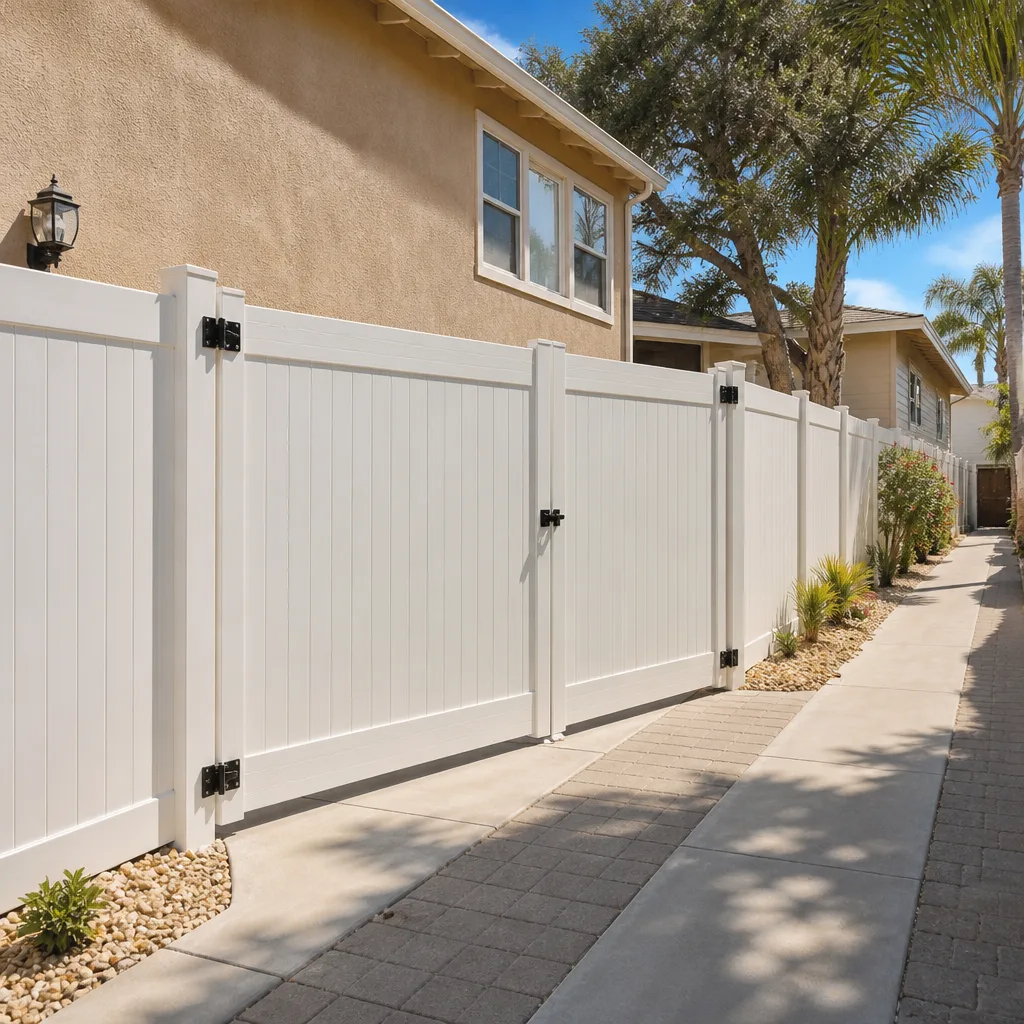
- Fence
Table of Contents
- Why the Base Course Wins or Loses a Kendale Lakes Driveway
- Water Table, Limestone, and Drainage in Kendale Lakes
- Pavers vs. Travertine vs. Brick: A South Florida Comparison
- Permits and Miami-Dade County Approval for Driveway Replacement
- Joint Sand, Sealing, and the High-Rainfall Schedule
- HOA Rules for Kendale Lakes Communities
- How to Spec Your Driveway: A Step-by-Step
- Material Options and Brand Roster
Why the Base Course Wins or Loses a Kendale Lakes Driveway
In a lot of the country, a driveway lasts because the ground beneath it is stable and dry. In Kendale Lakes, the ground is neither. Our soils are typically sandy over limestone (coral rock), and our water table sits high for much of the year. That means the base course isn’t just supporting the pavers; it’s managing water. Get this right and the surface stays flat. Get it wrong and the best paver on the market will rut.
What a properly built base does, generally:
- Spreads the weight of vehicles across a wider footprint so individual pavers don’t sink.
- Drains water that moves down through the joints rather than trapping it against the subgrade.
- Provides a uniform, compacted surface so the setting bed goes down evenly.
- Bridges over the natural variations in coral rock without creating voids.
In our experience across Kendale Lakes, the common failure we see isn’t bad pavers. It’s a shallow base compacted in one pass, or a base laid over soft spots without excavation. The fix always costs more than doing it right up front. When we spec a driveway, we’re thinking about excavation depth, compaction in lifts, and how water leaves the site before a single paver is set. That’s the “permitted, structural, built to last” mindset applied to a driveway, not just to an addition. If you want to see how we frame the driveway scope specifically, look at our driveway & pavers page.
Water Table, Limestone, and Drainage in Kendale Lakes
A high water table changes how you build. It means the base can hold moisture longer, and it means water has less vertical room to move before it hits the water table. The practical implication is that drainage can’t just go “down” and disappear. It needs to be actively directed to a place where it can drain or be stored, usually toward the street or a swale.
The coral rock substrate matters too. Limestone underlies much of this area, and it doesn’t behave like soil. It can hold pockets of water and it can create hard, irregular surfaces that need to be excavated and graded rather than simply covered. A base laid over uncorrected rock will have voids and high spots, and those translate directly into rocking pavers and settled edges.
A few things worth controlling here:
- Grade: Set a slope away from the garage and house so water doesn’t pool against the wall.
- Drainage layer: Where the site needs it, a drainage aggregate layer under the base gives water a path out.
- Compaction in lifts: Base material is compacted in stages, not one thick pass. This matters more over soft ground.
- Edge restraint: The perimeter holds the whole field together. Weak edges are where ruts begin.
In Kendale Lakes, this is where a driveway quote separates itself. A cheap bid usually means shallower excavation, less compaction, and a thinner setting bed. Those cost savings are real, and they show up as settlement within a couple of seasons. If you’re also planning improvements around the yard, it’s worth reading our fence installation guidance on the same property, since grading and drainage decisions affect both.
Pavers vs. Travertine vs. Brick: A South Florida Comparison
The material decision is real, but it’s secondary to construction. That said, Kendale Lakes homeowners have three main options, and each behaves differently under our UV, rainfall, and thermal expansion cycles. Here’s how we compare them for this climate:
| Material | Strengths | Watch-outs in South Florida |
|---|---|---|
| Concrete pavers | Wide range of colors and shapes; durable; good value; easy to lift and reset for repairs | Color can fade under strong UV; needs sealing on a schedule; some products chip at edges under heavy load |
| Travertine | Cool underfoot; premium look; handles heat well; available in pavers and slabs | Costs more; textured or filled travertine specs matter for slip resistance; thermal movement needs proper joints |
| Brick (clay) | Classic appearance; holds color well; strong character | Can be harder to source in the exact format; joints need attention; color variation is part of the character |
In our experience, the decision usually comes down to how the driveway reads visually with the home, how much maintenance the homeowner wants, and the budget. Concrete pavers give you the most flexibility at the mid-range. Travertine is the premium look and performs well in the heat. Brick brings a traditional feel with strong color retention. Any of the three will last if the base is right and the joints are maintained; none of them will survive a bad base.
Permits and Miami-Dade County Approval for Driveway Replacement
Driveway replacement in this part of Miami-Dade County usually touches permitting on some level, and that’s not a formality. A new or substantially modified driveway can affect setbacks, drainage, and the relationship between the driveway and the right-of-way. Most cities require a permit for this, and Miami-Dade County has its own review process where it applies. The exact requirements depend on whether you’re replacing in place or changing the footprint.
The general path looks like this:
- Confirm the scope: Is this a same-size replacement, or are you widening, adding an apron, or changing the layout? Footprint changes usually trigger more review.
- Check setbacks and right-of-way: The driveway has to sit within allowed setbacks, and any change near the street may involve the right-of-way.
- Submit for permit: Plans and a site drawing go to the city or county, depending on jurisdiction.
- Pass inspections: Base and drainage work is often inspected before surfacing.
- Final inspection and close-out: The job is signed off, and the permit is closed.
This is where having one accountable contractor matters. When a driveway crew shows up without the permit in hand, or the work gets done and the inspection never happens, the homeowner is the one exposed. We handle permits and inspections as part of the scope, and we don’t hand off the driveway to a separate paving sub who’s never going to see the inspection. That single-point-of-contact structure is the same one we use on bigger projects like a home additions & ADU, where permitting and inspection sequencing are even more involved. For the full-scope picture, see Kendale Lakes Construction.
Joint Sand, Sealing, and the High-Rainfall Schedule
Joint sand and sealing are the parts homeowners skip, and they’re the parts that fail fastest in this climate. Our rainfall is heavy and concentrated, and our humidity is high most of the year. That combination does two things: it washes sand out of the joints, and it gives sealers a narrow window to cure properly.
What the joints actually do:
- They lock the pavers against each other so the field acts as one surface.
- They keep sand in place and reduce weed growth and insect access.
- They accept water so it moves into the base rather than sheeting off.
- They allow the pavers to expand and contract with temperature swings without cracking.
Joint sand should be replenished on a schedule, typically inspected at least once a year and topped up where it’s low. Sealing is a separate decision. A penetrating sealer helps with stain resistance and joint stability; a film-forming sealer can look good initially but is less forgiving in a high-rainfall environment. Whichever you choose, it needs a dry cure window, and in Kendale Lakes that means watching the forecast carefully. We don’t sell maintenance plans, and we don’t promise fixed schedules; the written estimate sets the scope and price for whatever maintenance work is needed.
HOA Rules for Kendale Lakes Communities
Many Kendale Lakes communities are governed by HOAs, and those rules can restrict what your driveway can look like well beyond what the county requires. Before you finalize a paver selection, read the community’s architectural guidelines. Common restrictions include:
- Approved color palettes, often limited to a neutral range.
- Restrictions on pattern or running bond.
- Rules on how a driveway meets the street, sidewalk, or common area.
- Requirements for sealing, so the surface stays uniform across the street.
- Submission of plans to an architectural review committee before work begins.
The practical advice: get the HOA approval in writing before you set a delivery date. A driveway that fails the committee review after it’s installed is an expensive problem to unwind. When we scope a Kendale Lakes driveway, HOA compliance is part of the initial conversation, not an afterthought.
How to Spec Your Driveway: A Step-by-Step
This is the order we work in when a homeowner wants a driveway that holds up:
- Assess the site: Walk the lot, note where water currently pools, and confirm the existing base depth and substrate conditions.
- Set the design and footprint: Deciding whether the layout stays the same or changes determines the permit path.
- Choose the material: Concrete pavers, travertine, or brick is chosen against the HOA and the home’s design, not just the sample board.
- Confirm HOA and permit requirements: Both should be cleared before excavation.
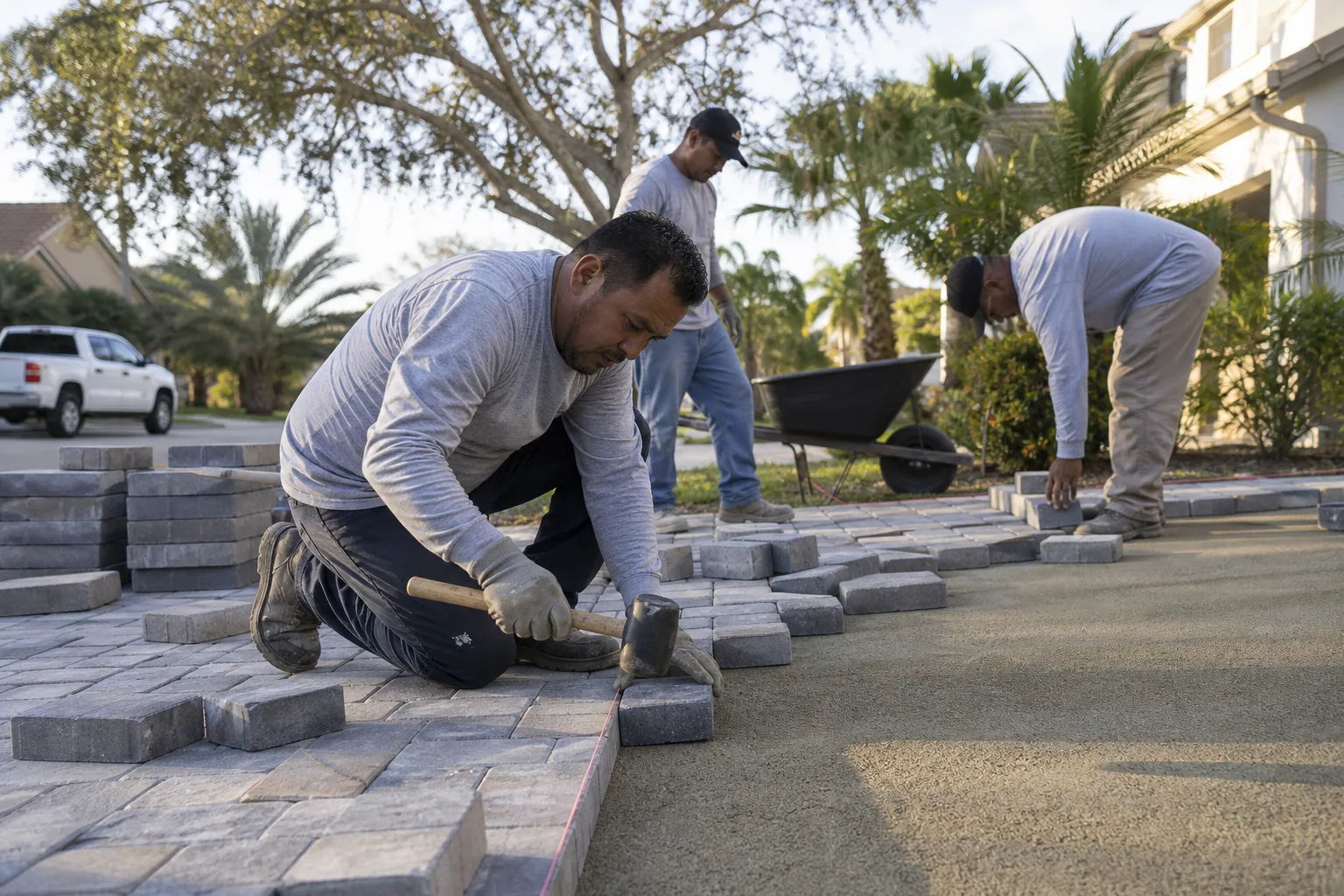
- Excavate and grade: Remove the existing surface and prepare the subgrade, correcting soft spots.
- Install the base and drainage: Compact in lifts, confirm slope, and add drainage where the site needs it.
- Set pavers and joint sand: Lay the field, restrain the edges, and fill the joints.
- Seal on schedule: Match the sealer and cure window to the forecast.
Every step in that sequence is a decision point, and skipping or compressing any of them shows up in the surface eventually. We’ve written about how the same discipline applies to roofing and to window and door work because the underlying approach is the same: specify the right material for the job, then stand behind it.
Material Options and Brand Roster
We work with a roster of more than 50 manufacturer brands across our seven service lines, and that matters here because it gives you real optionality on hardscape. The paver brands we work with include Belgard, Unilock, Tremron, and Techo-Bloc, each with different color lines, finishes, and formats. Instead of a single take-it-or-leave-it spec, you can match the paver to the HOA palette, the home’s architecture, and your budget.
Structural choices sit alongside that. If the driveway project is part of a larger plan, the same brand depth applies to windows and doors through PGT, CGI, and ECO Window Systems, to roofing through GAF, CertainTeed, and Owens Corning, and to kitchens through KraftMaid and Wellborn. We’re a full-service residential construction company, and that scope means the driveway you build can be planned as part of a whole-property improvement instead of an isolated piece.
Common Mistakes to Avoid
- Skipping the base inspection. A quote that doesn’t mention excavation depth or compaction is a quote that’s going to result in a settled driveway.
- Choosing a paver from a showroom sample only. The same paver reads differently in a Kendale Lakes yard under our light, and it needs to be checked against the HOA palette before you commit.
- Ignoring drainage until the first wet season. Water that pools against the garage is a warning sign that drainage wasn’t planned. Redirecting it after installation is far more expensive.
- Forgetting the HOA review. Installing first and seeking approval after is the most expensive mistake on this list.
- Not planning for joint sand. Skipping joint sand inspection lets the pavers shift and the joints open up, and in our rainfall that happens quickly.
- Sealing without watching the forecast. Sealer applied before a big rain won’t cure correctly.
- Treating a footprint change as a like-for-like replacement. Widening a driveway or adding an apron usually triggers a different permit and drainage review.
See the difference
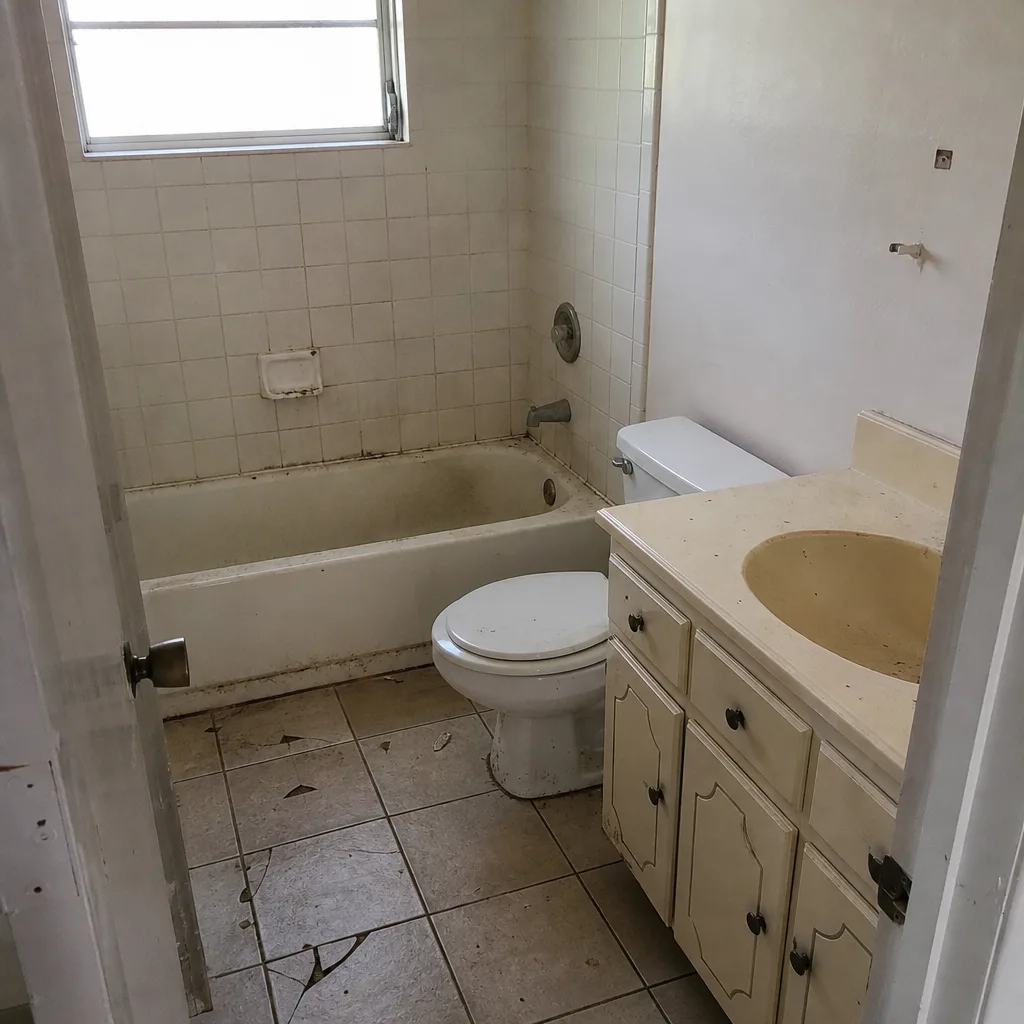 Before
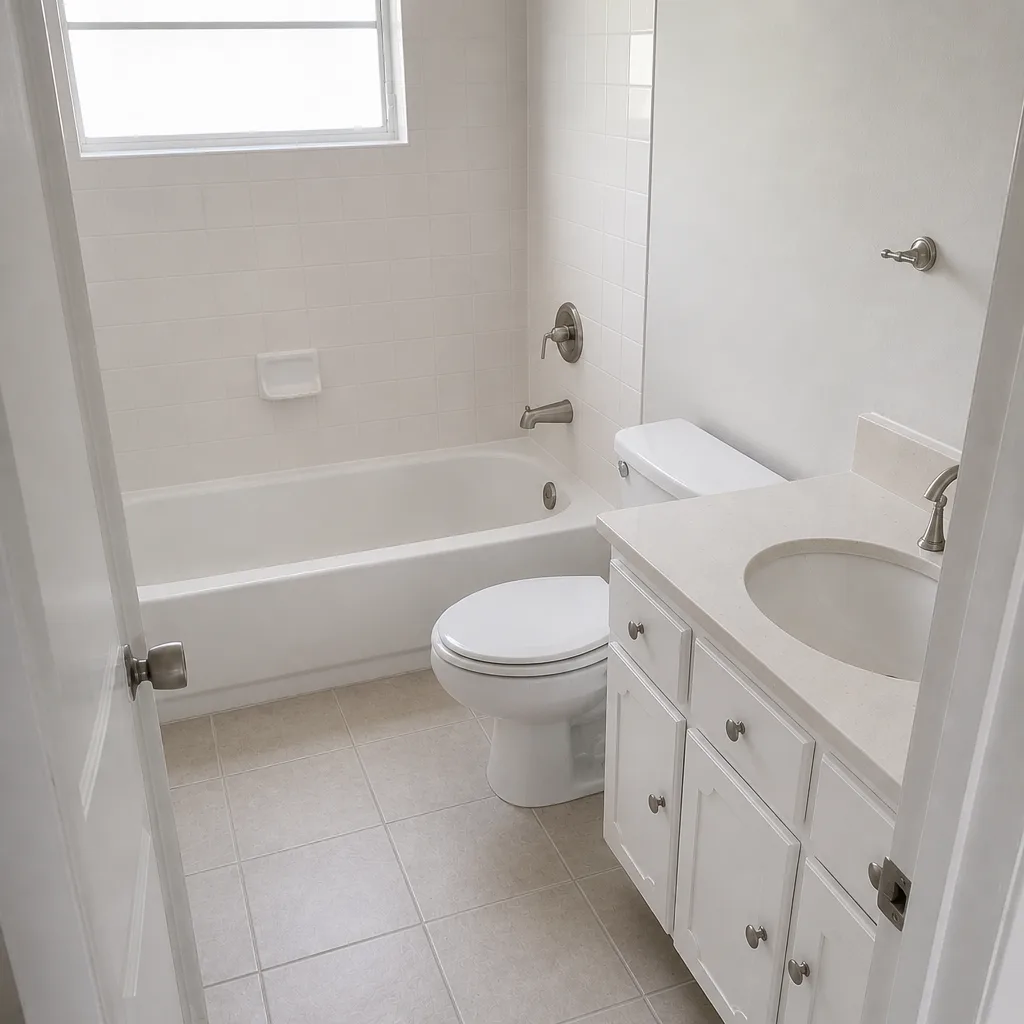 After
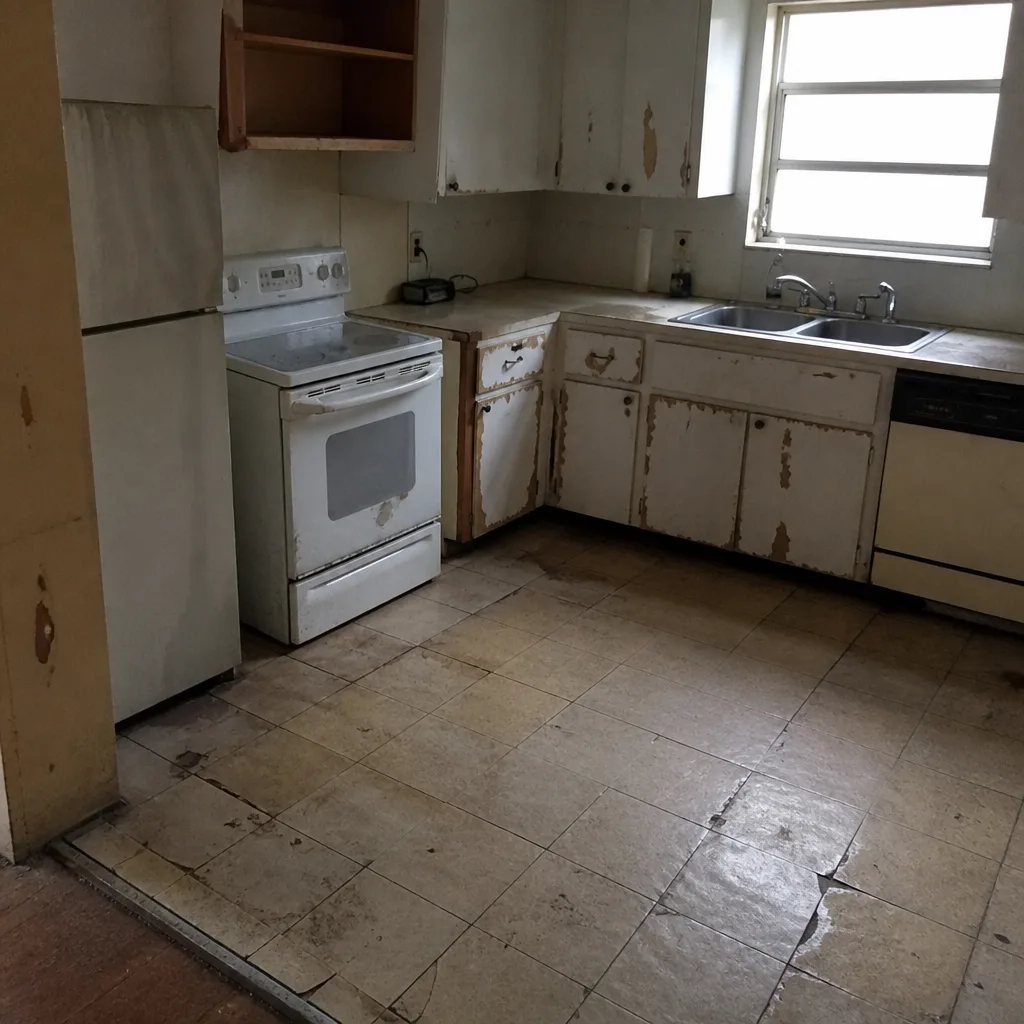 Before
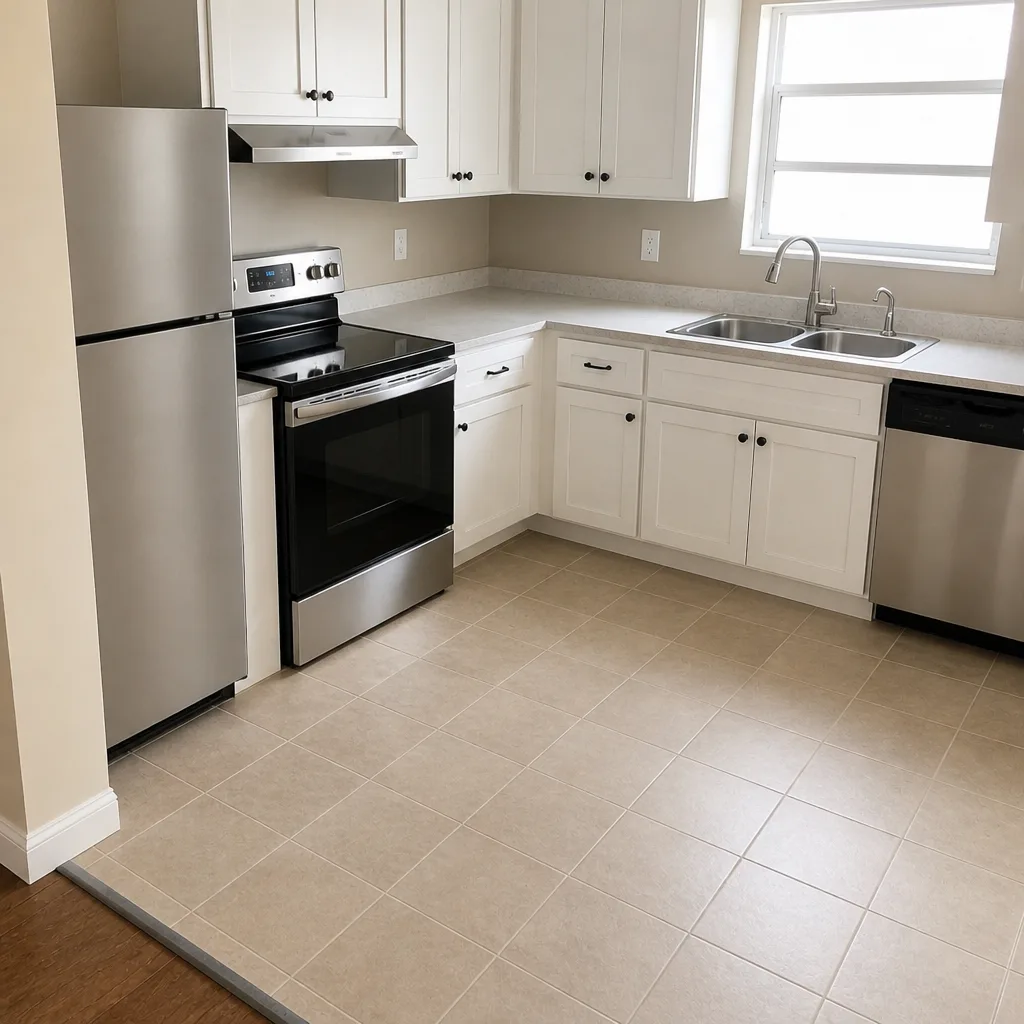 After
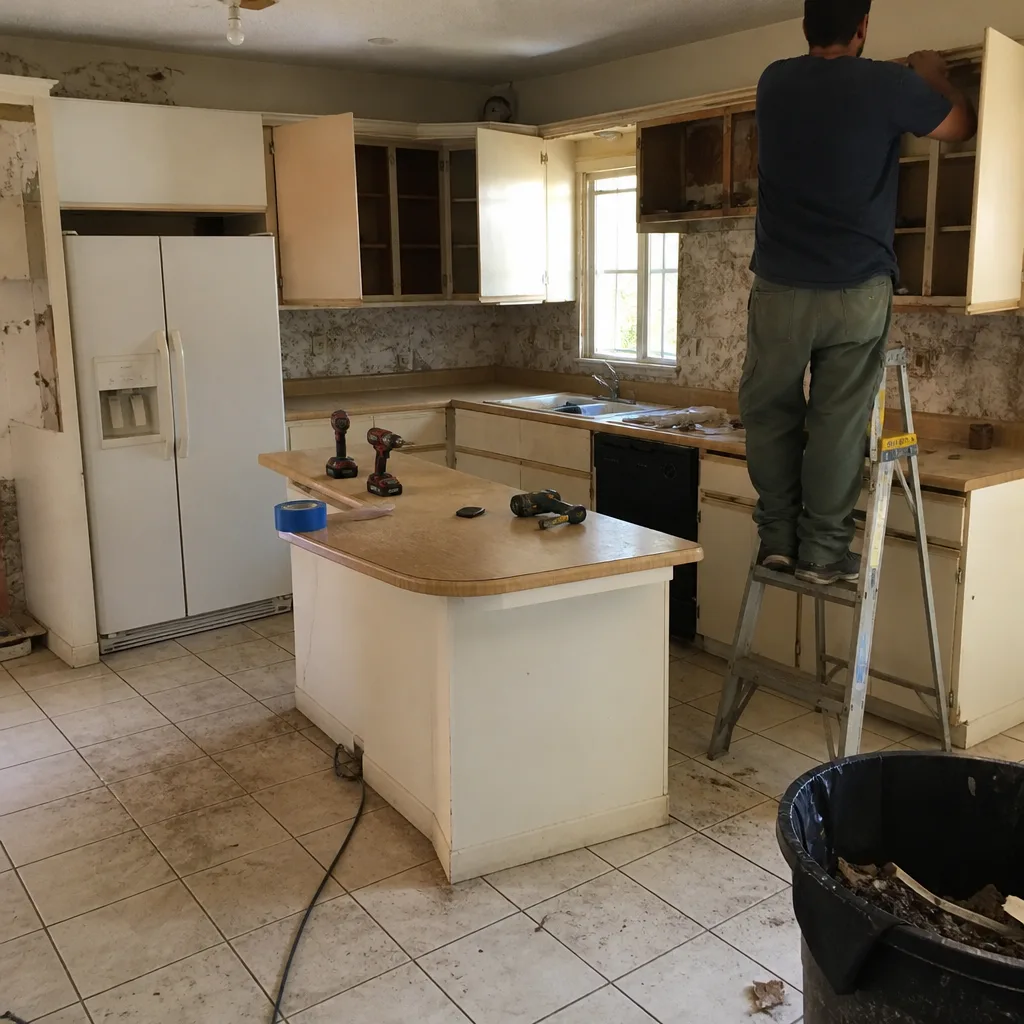 Before
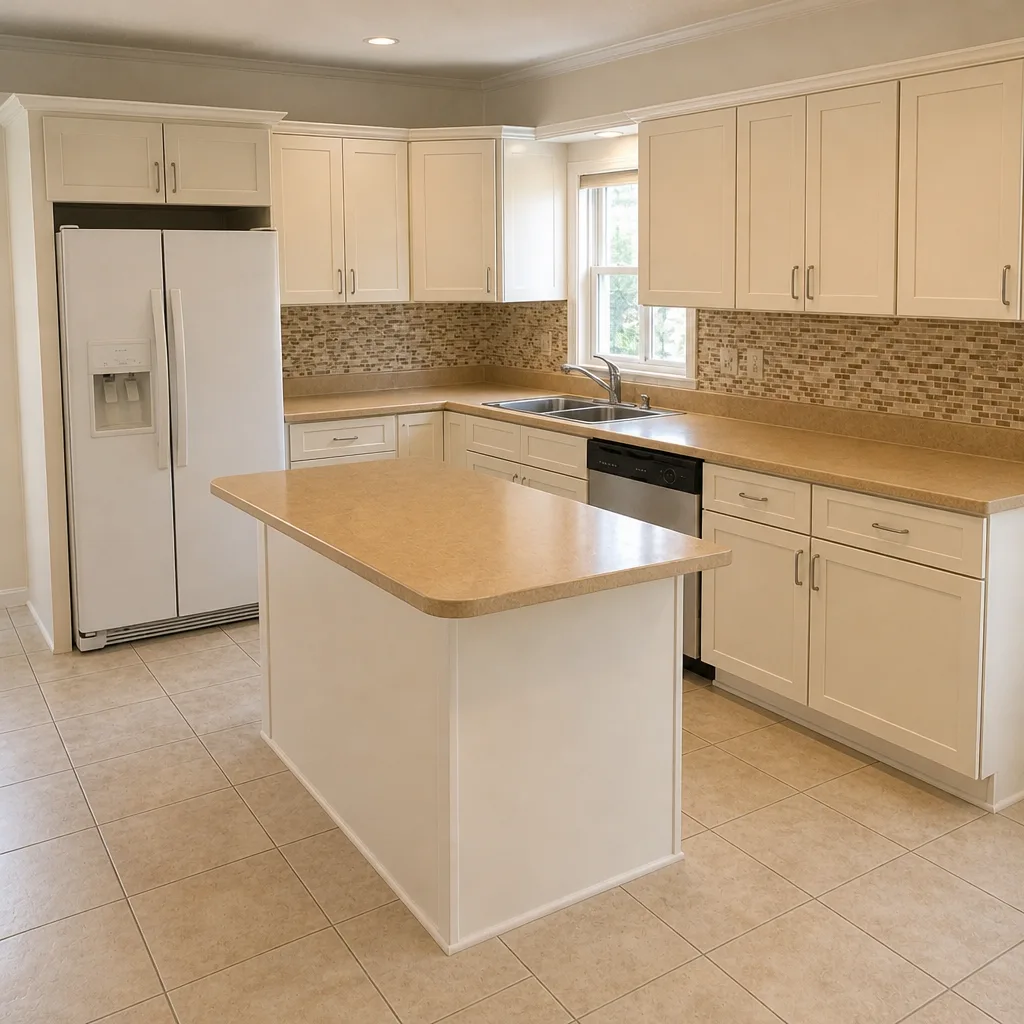 After
When to Call a Professional
A driveway project in Kendale Lakes touches the base, drainage, permitting, HOA rules, and then the surface. That’s more than a paving job, and it’s the place to call a professional. If your existing driveway is settling, water is pooling against the house, the paver joints are opening up, or you’re planning a replacement with a footprint change, those all warrant an on-site assessment before anything is ordered.
Kendale Lakes Construction offers free estimates in Kendale Lakes. We’re a full-service residential construction company, and we can scope the driveway as part of a larger plan if that’s where your project is headed. Call (866) 531-4751 to schedule your free estimate. We answer 24/7. Fast dispatch from 7am to 7pm, Sunday through Friday.
Frequently Asked Questions
A paver driveway in Kendale Lakes typically runs in the range of a mid-range to premium exterior project, and the final number depends on square footage, base conditions, drainage, the chosen material, and permit requirements. We work in estimates only, and the written estimate sets the price. Call (866) 531-4751 for an exact quote; estimates are free.
Most driveway replacements in this part of Miami-Dade County require a permit, and any footprint change generally requires more review. Check with your city or the county before scheduling work, and bring the permit into the scope. Call (866) 531-4751 to talk through your project; estimates are free.
The price is set by the written estimate, and the scope is defined before work begins. If site conditions reveal something the estimate didn’t capture, that gets discussed before work continues rather than added later. Call (866) 531-4751 for an exact quote; estimates are free.
Timelines vary by square footage, material, drainage requirements, and inspection scheduling, and we don’t promise a fixed timeline for a project like this. What we do promise is a written scope and a schedule that’s set from the estimate, not from a sales push. Call (866) 531-4751 for an exact quote; estimates are free.
Concrete pavers, travertine, and brick all hold up when the base and joints are built correctly, and the choice usually comes down to look, HOA rules, and budget. In our experience, joint maintenance and sealing schedules affect longevity more than the paver type alone. Call (866) 531-4751 to talk through material options; estimates are free.
Yes. We treat HOA approval and permit review as parallel tracks that both need to clear before excavation, so the project doesn’t stall after the material is ordered. That’s part of what one-point-of-contact construction means. Call (866) 531-4751 to schedule your free estimate.
The Bottom Line
Driveway pavers in Kendale Lakes succeed or fail on the part you can’t see. The base course, drainage layer, compaction, and edge restraint are the foundation, and they matter more than the paver brand. Then come the material choice (concrete, travertine, or brick), the permit and HOA clearances, and the joint sand and sealing schedule that keeps the surface tight through our rainfall. If you approach a driveway as an engineering project rather than a surface upgrade, you get a driveway that stays flat, drains correctly, and looks right years after installation. Call (866) 531-4751 to schedule your free estimate.
Written by the team at Kendale Lakes Construction.